When you build a brand yourself, or work inside one every day, you lose something important. You lose the ability to see it the way a first-time visitor does.
It's just what happens when you've been inside something long enough. The things that are confusing become obvious because you know what they mean. Gaps become invisible because you've always filled them with context. The inconsistencies start to feel normal.
An external audit breaks that. What it usually finds surprises most founders; the gaps tend to be consistent, and most of them are fixable.

Why founders stop seeing what's wrong with their brand
There's a concept in UX called the 'curse of knowledge.' Once you know something, it becomes almost impossible to imagine not knowing it. For founders who built their brand, that curse runs deep.
You know what you're trying to say, why the navigation is structured the way it is, what the service names actually mean. None of that knowledge is available to the person landing on your website for the first time.
They see what's actually there. And that's often quite different from what the founder thinks they've built.
What a brand audit actually looks at
A thorough audit reviews the brand across every commercial touchpoint. Not just how it looks but what it communicates, where it's falling short, and what's actively working against the business.
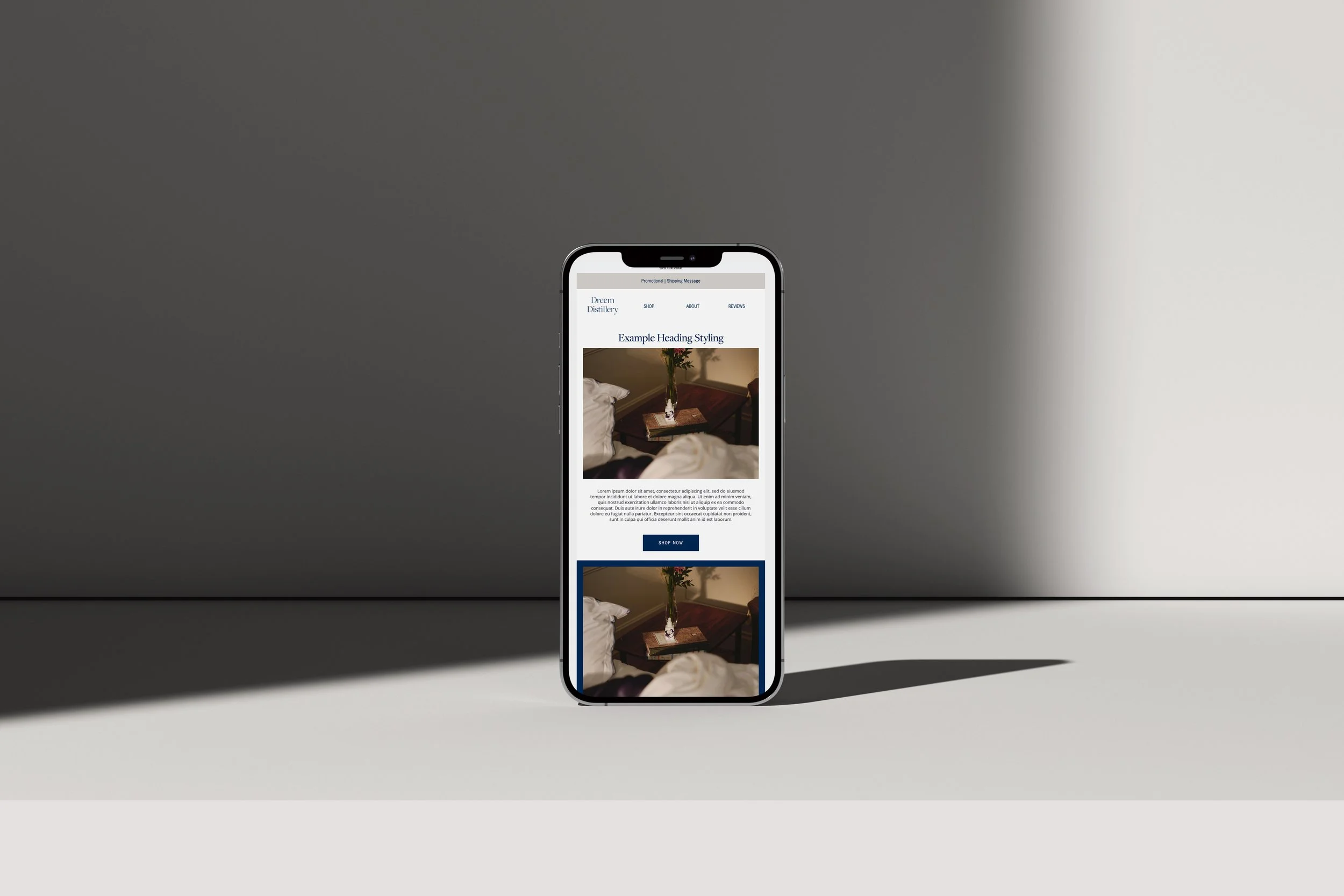
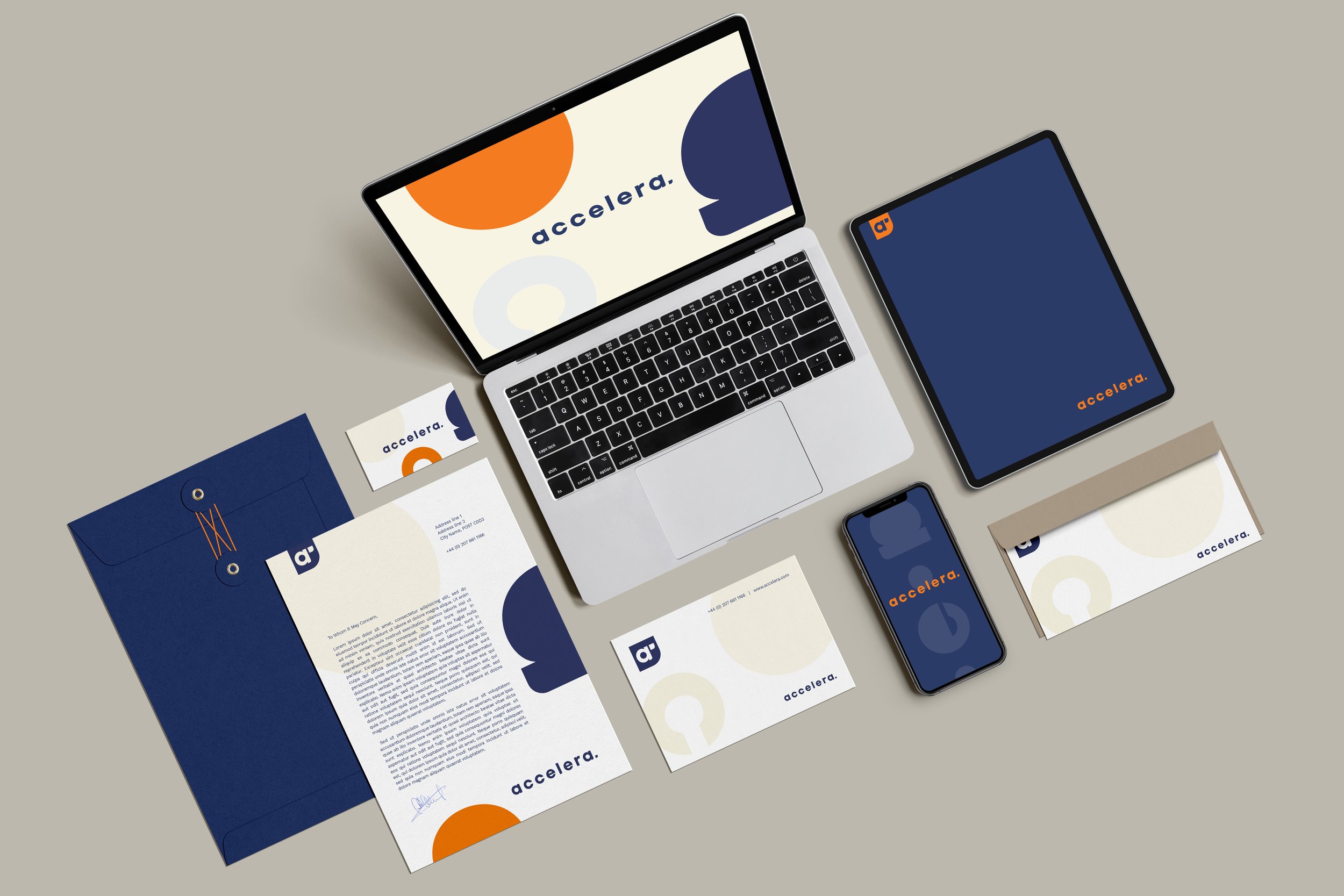
This covers the visual identity: whether it's consistent, whether it communicates the right price point and quality level, whether it holds across all the surfaces it appears on. The website: hierarchy, navigation, conversion architecture, page structure, search signals and whether copy is written for the customer or for the business or whether the technical build is creating friction. Brand presence across channels: whether the Instagram, the email, the packaging and the website feel like the same brand, or like different brands assembled from overlapping assets.
And increasingly: AI and search discoverability, whether the brand's digital presence is structured in a way that lets Google and AI tools understand and surface it.

What audits typically find
No two audits find exactly the same things but certain patterns show up so consistently they're worth naming.
Photography inconsistency. A mix of professional and amateur imagery, different lighting and background standards across the site. Individually each image looks fine. Across a site, the inconsistency reads as a quality problem and most founders never notice it's happening.
Navigation built for the founder, not the customer. Sections that make sense from the inside and create confusion from the outside. A menu that reflects how the business thinks about itself, rather than how a customer approaches it.
Copy written for the product rather than the person buying it. Descriptions of what something is, not why anyone would want it.
No clear path to conversion. A homepage that presents everything equally and prioritises nothing, with no obvious next step for someone who has arrived but isn't sure what they want. Missing calls to action, or so many that decision fatigue is present on ever page.
Brand architecture that has accumulated rather than been designed. Services, products, or content categories added over time without a structure that helps people understand how they relate.


The commercial cost of what's invisible
The cost of these gaps isn't visible in any single month. It's cumulative.
A first-time visitor who can't immediately work out what the brand does, or whether it's for them, will just leave. Nothing in your analytics will tell you why.
A customer who sees inconsistent photography loses a small amount of trust. Not enough not to buy, but enough to hesitate which is where sales are lost.
A brand that search engines and AI tools can't index properly gets less organic traffic than competitors. The product isn't the problem. The signals that help those tools make sense of the brand just aren't there.
On its own, none of it is enough to sink a brand. Over time, it adds up.
Why the order of fixes matters
The list of what's wrong is useful. What's more useful is knowing which things to fix first.
Not everything has equal commercial impact. Fixing metadata on low-traffic pages matters less than fixing the homepage conversion path. Updating photography for the best-selling products will do more than rewriting every product description.
A good audit tells you not just what's missing but where to put your attention which matters especially for founder-led brands where time and budget are finite.

What a Brand Authority Audit includes
The Brand Authority Audit is Soley Creative's structured review of a brand's commercial performance across every touchpoint. It covers visual identity, website architecture and conversion, search and AI discoverability best-design practice, channel consistency, and brand positioning.
The output is a prioritised picture of what's working and what isn't, specific enough to act on straight away.
Some brands go on to do larger work off the back of it by project, some go down the retainer route for consistent brand oversight and direction. Others use it as a standalone exercise clarity and a clear direction, without committing to a full rebrand.