What Your Brand Is Really Selling (And Why Most Brands Get This Wrong)
When you buy butter from the local farm shop, are you really getting your money’s worth? Especially when you could pick up some Lurpak in Tesco for a fraction of the cost.
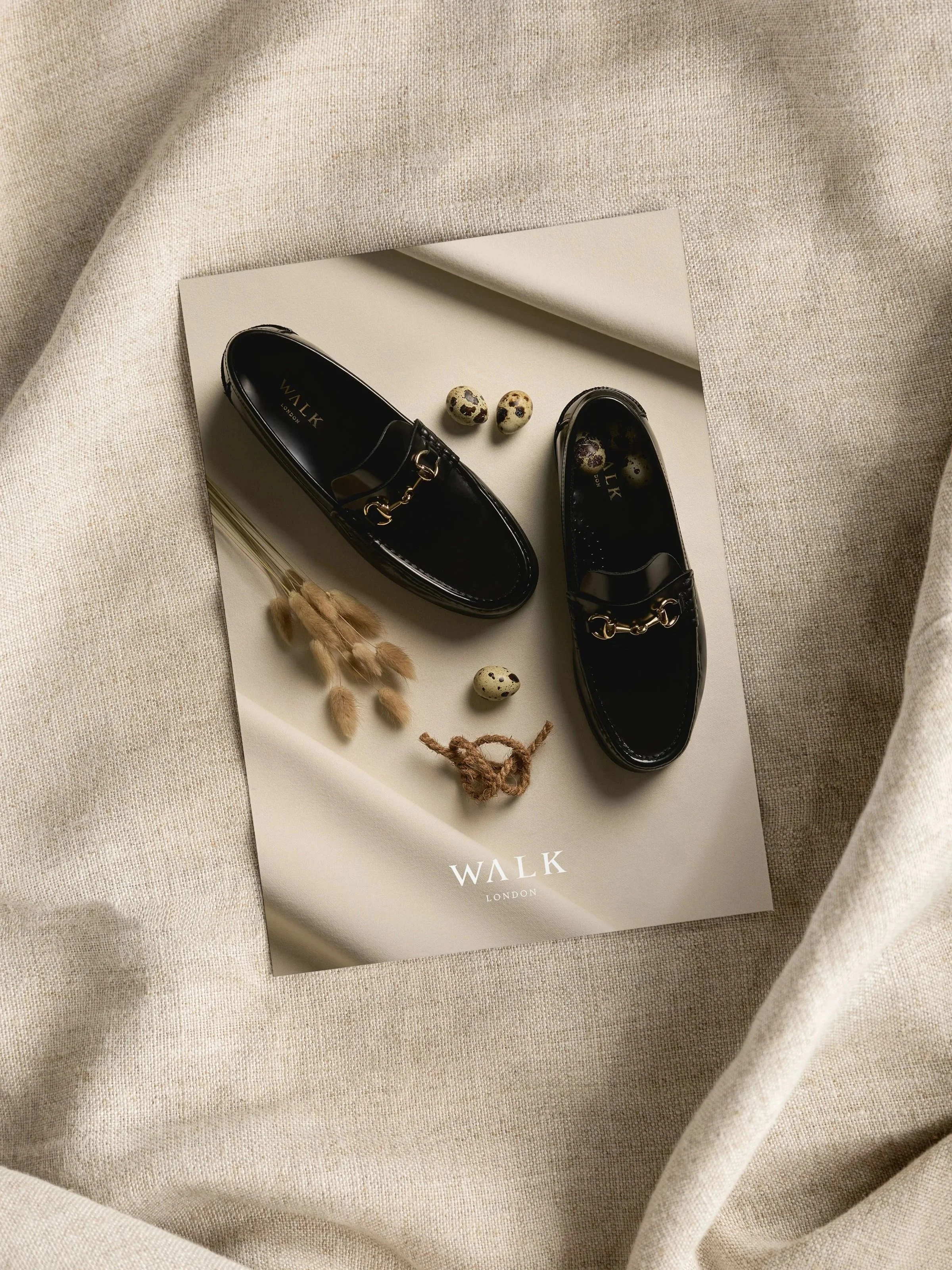
Nobody just buys butter at this price point…What they do buy is Sunday morning. The slow one, where there's nowhere to be and the toast is thick and the coffee is good. The particular version of themselves that takes time over things.
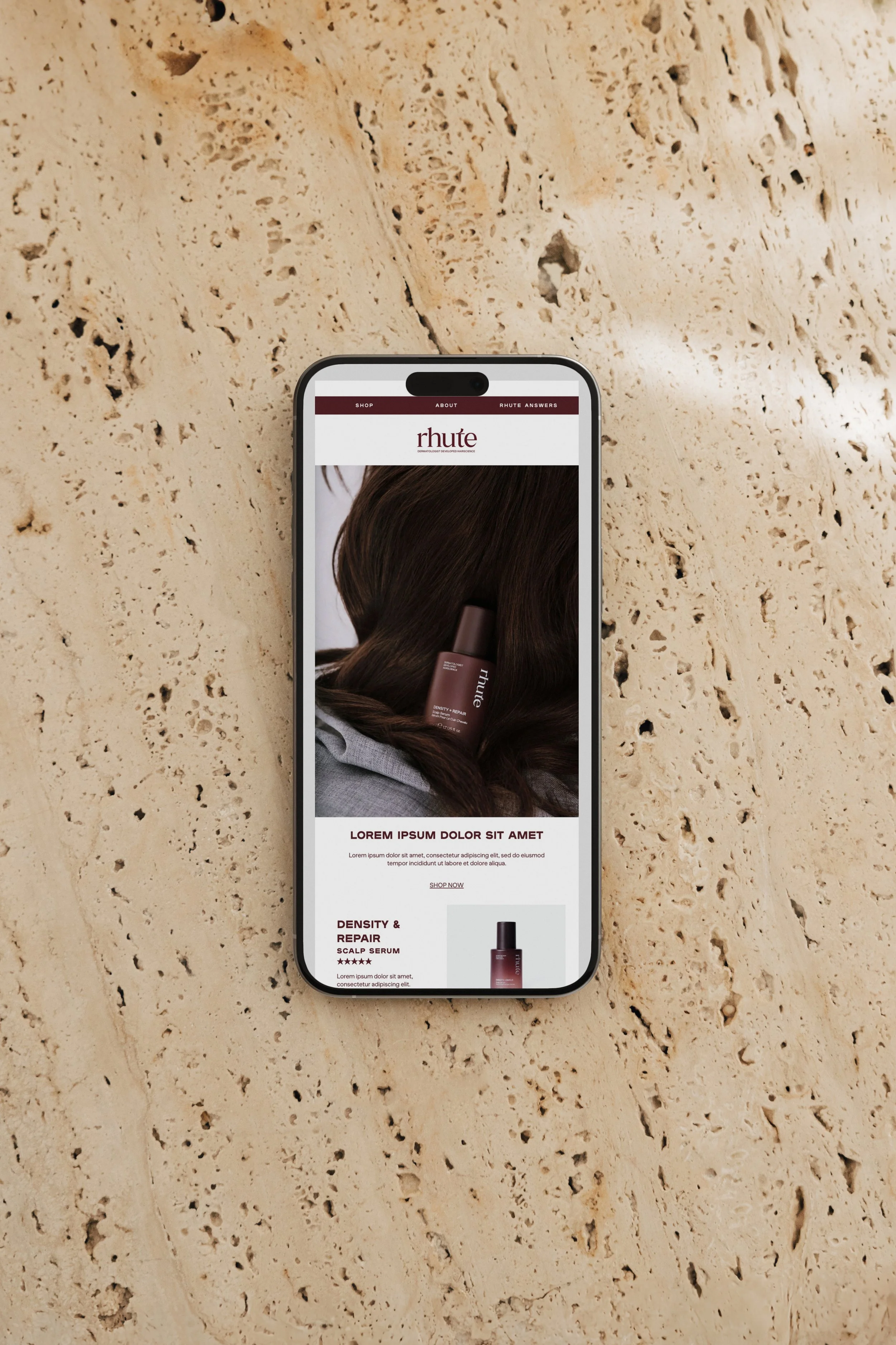
Nobody buys skincare. They buy permission to take five minutes just for them. Which, when you're running on empty, can feel like a lot.
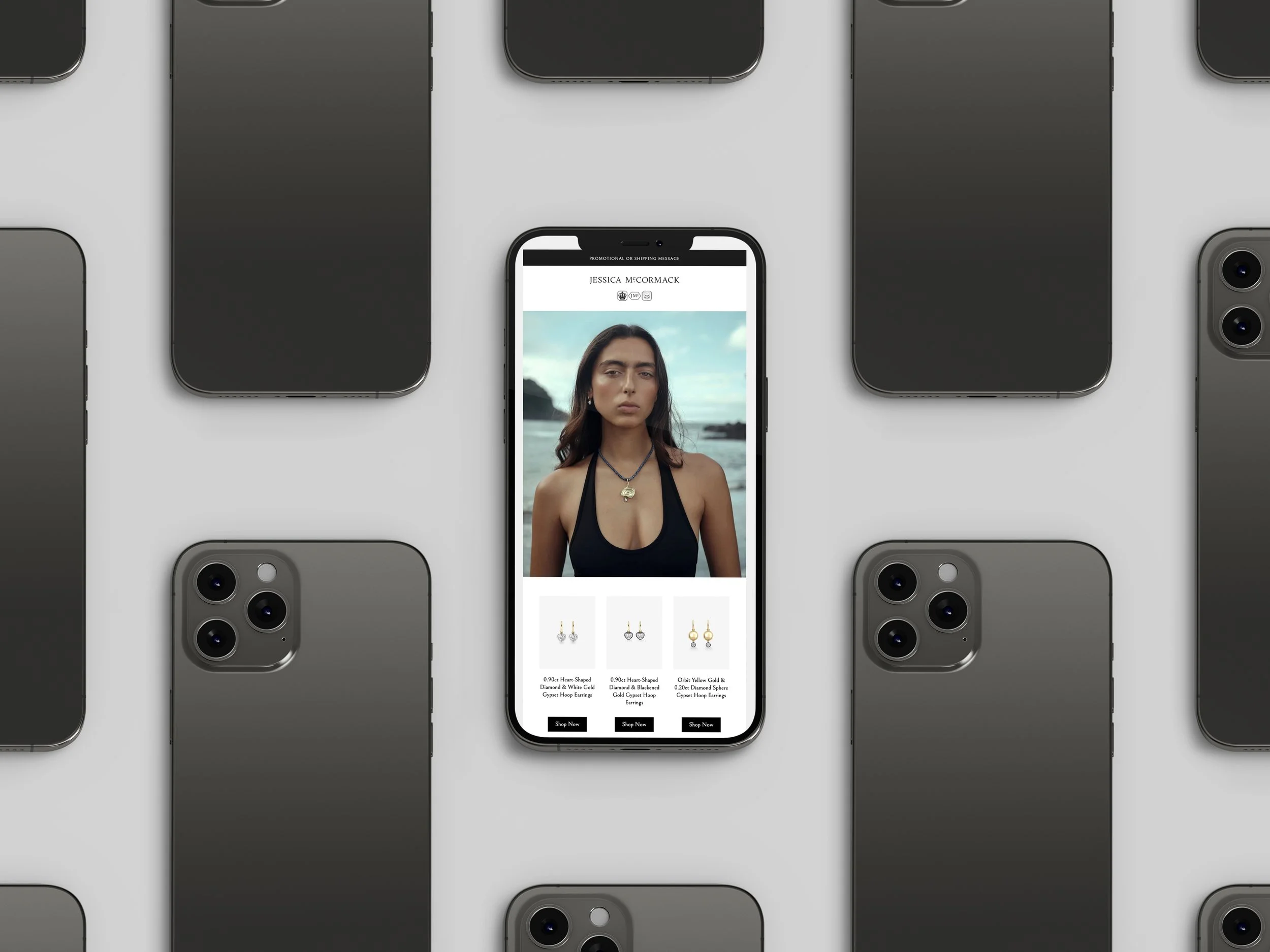
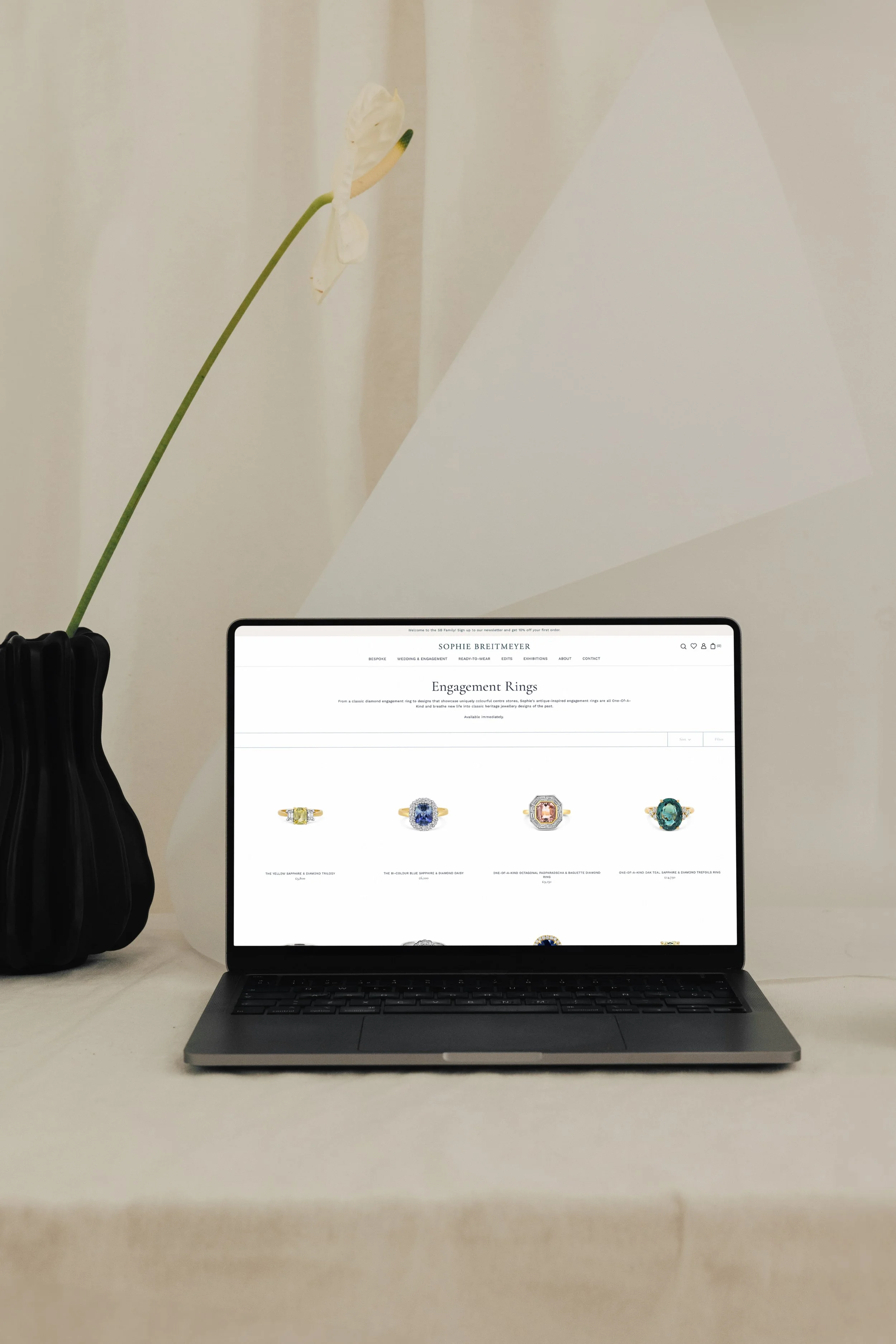
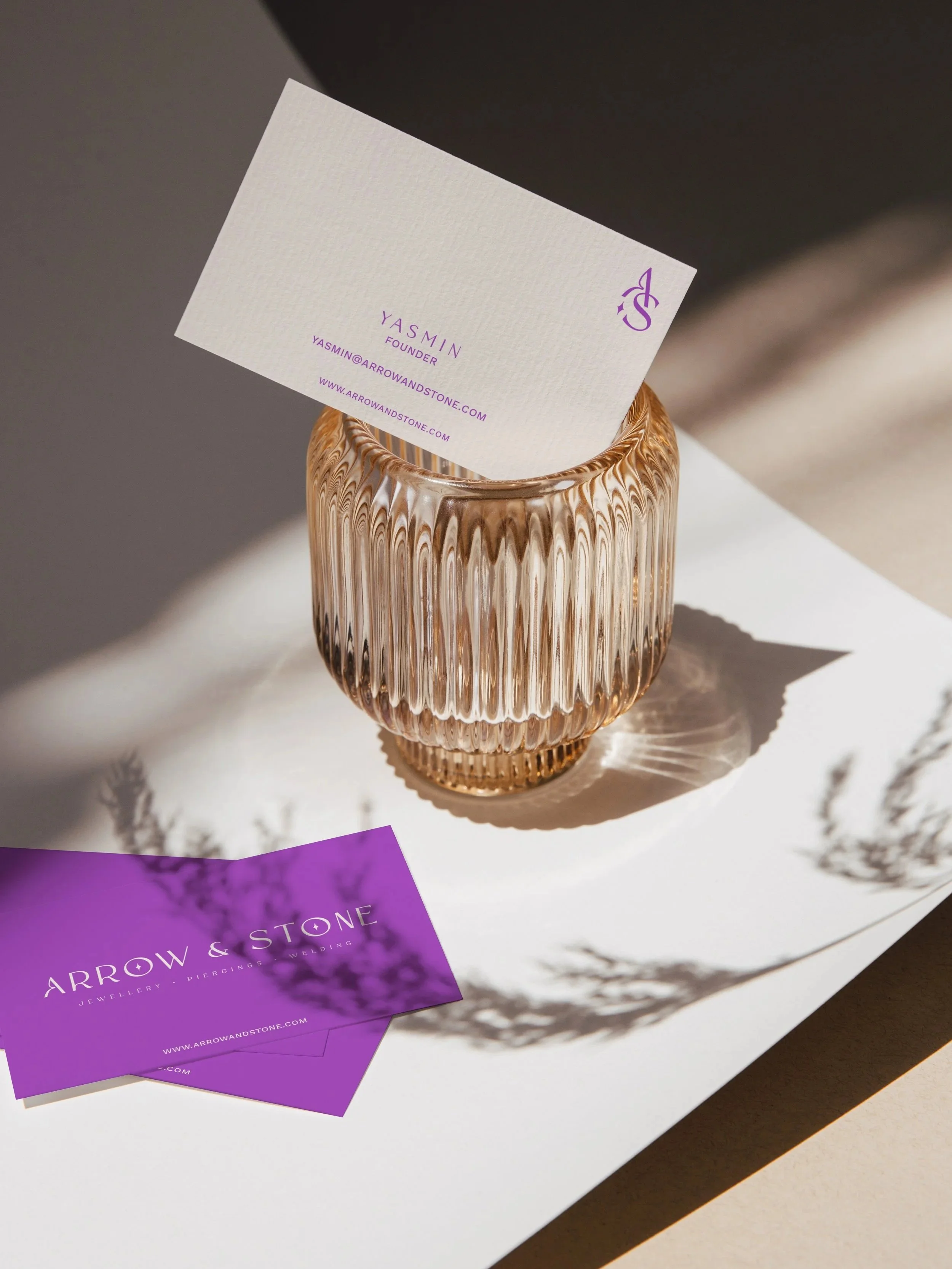
Nobody buys jewellery. They buy the feeling of being chosen by someone else, or by themselves. Both are powerful.
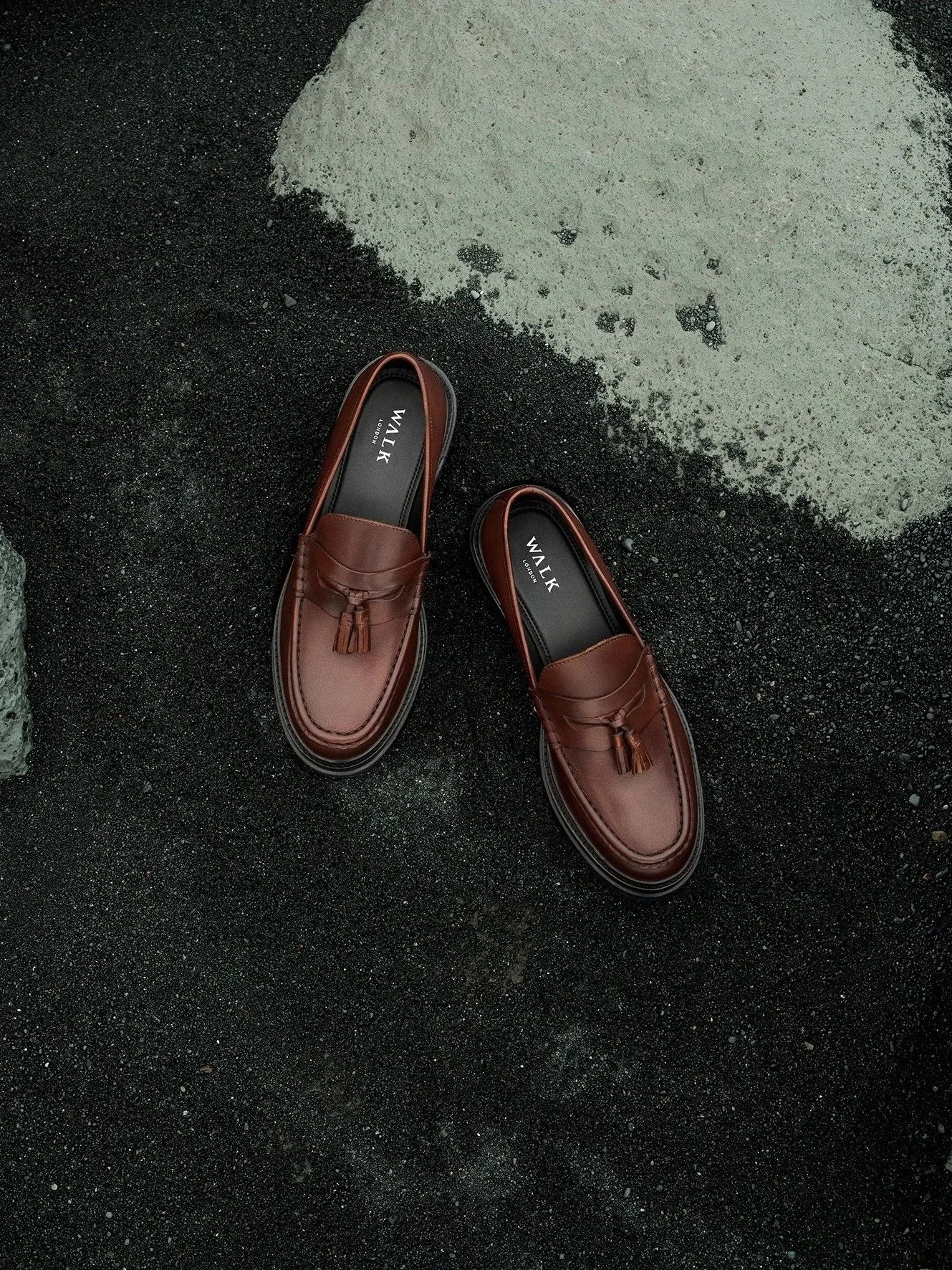
Nobody buys clothes. They buy who they want to be in them.
The product is the vehicle. The feeling is what's being sold. And most brands are so focused on the vehicle that they never quite get to the feeling.
What customers are actually buying
The website describes the product. The packaging lists the ingredients. The social content shows the item. The email announces the price. All of that is true and none of it is why the customer buys.
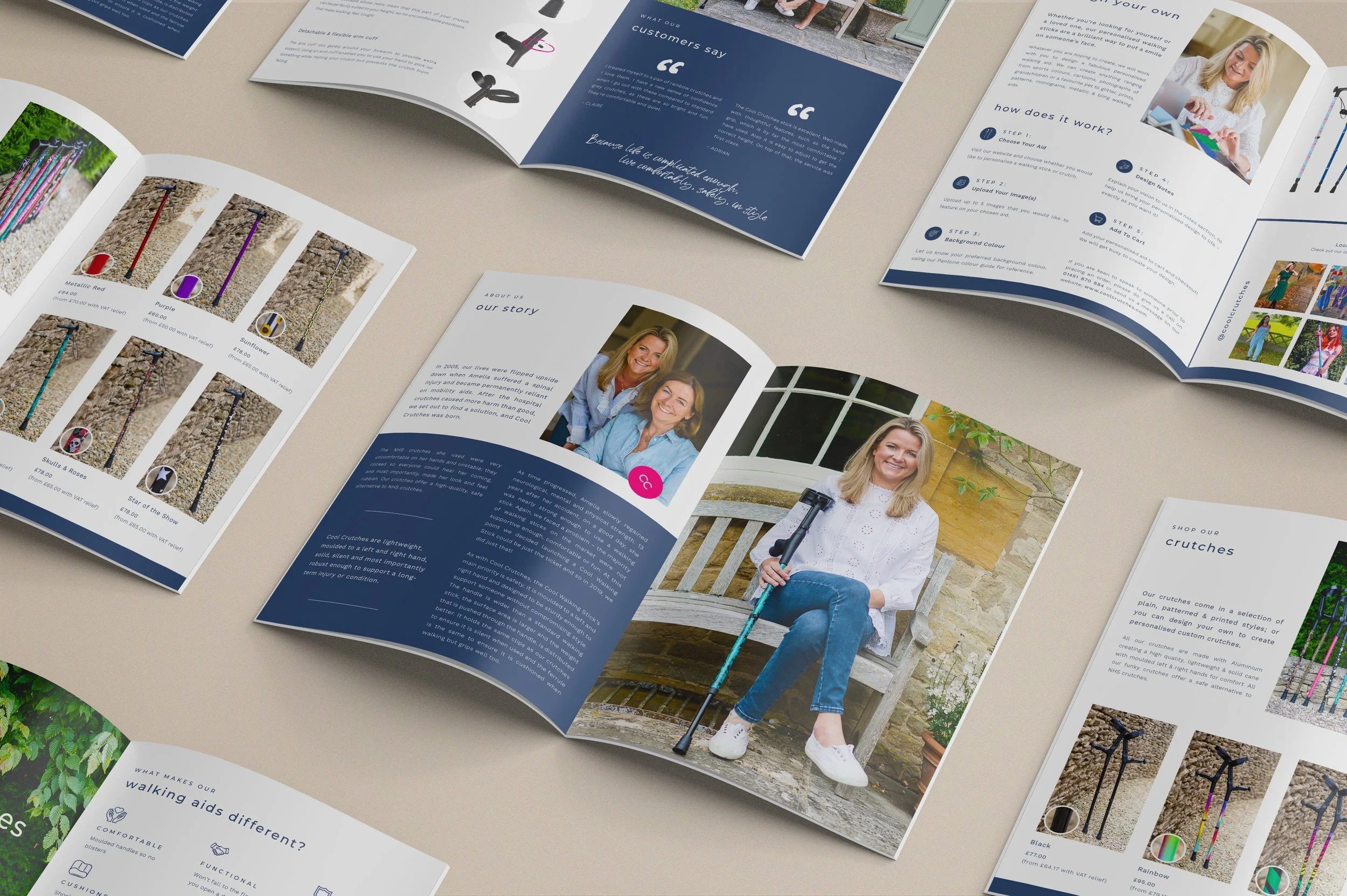
The customer buys because of how the brand makes them feel before they've consciously evaluated any of it. Whether it feels like somewhere they belong and reflects the version of themselves they're moving towards. Or if it communicates (wordlessly, in the first half-second ) that this is for someone like them.
Why this matters commercially
When a brand gets this right, the customer stops comparing. They just choose.
That's not a minor outcome, comparison is where price sensitivity lives. The moment a customer is evaluating your product against three competitors, the brand has partially failed as it hasn't created enough differentiation to remove the comparison from the equation.
The brands that hold their price points and maintain loyalty without constant discounting have almost always done this work. They've understood what their customer is really buying and built the brand around that.
How this changes what design needs to do
If the brand's job is to communicate a feeling before a word is read, then every design decision is a commercial decision.
The typeface sets a price expectation. The photography communicates a quality standard that is immediately felt. The colour palette tells the customer who this is and importantly, isn't for. And the most underrated one, the whitespace is communicating confidence or the lack of it.
What’s more tricky is that none of this is processed consciously. Most people couldn’t look at a brands and tell you why they like it. It's all happening in the moment before attention kicks in. Which means the design of the brand is doing commercial work that the copy never gets a chance to do.
How to find the real thing your brand is selling
The most useful question: when a customer buys from you, what are they actually buying? Not the product but the feeling. The identity. The version of themselves that makes sense with your brand in it.
The more specific the answer, the more useful it is as a brief. 'She wants to feel confident' is less useful than 'she wants to feel like she's finally found somewhere that understands how she actually lives.'
That specificity is what separates a brand that resonates from one that's merely present.
What happens when you get this right
Immediately there is a shift - the customer doesn't compare; the price point holds without discounting; marketing spend produces conversion rather than just reach. The brand becomes the easy choice rather than one option among many. This is what Brand Atelier is built to produce an identity system that sells the feeling, not just the product.