Why Some Brands Feel Easier to Buy From
Many founders assume that customer hesitation is purely a marketing issue. If sales slow down or conversion dips, the instinct is to increase traffic through advertising, email campaigns or social media activity. Or even a promotion, snipping into margins.
Often the issue is not visibility though, it is actually confidence.
Got a project in mind and want to get in touch?
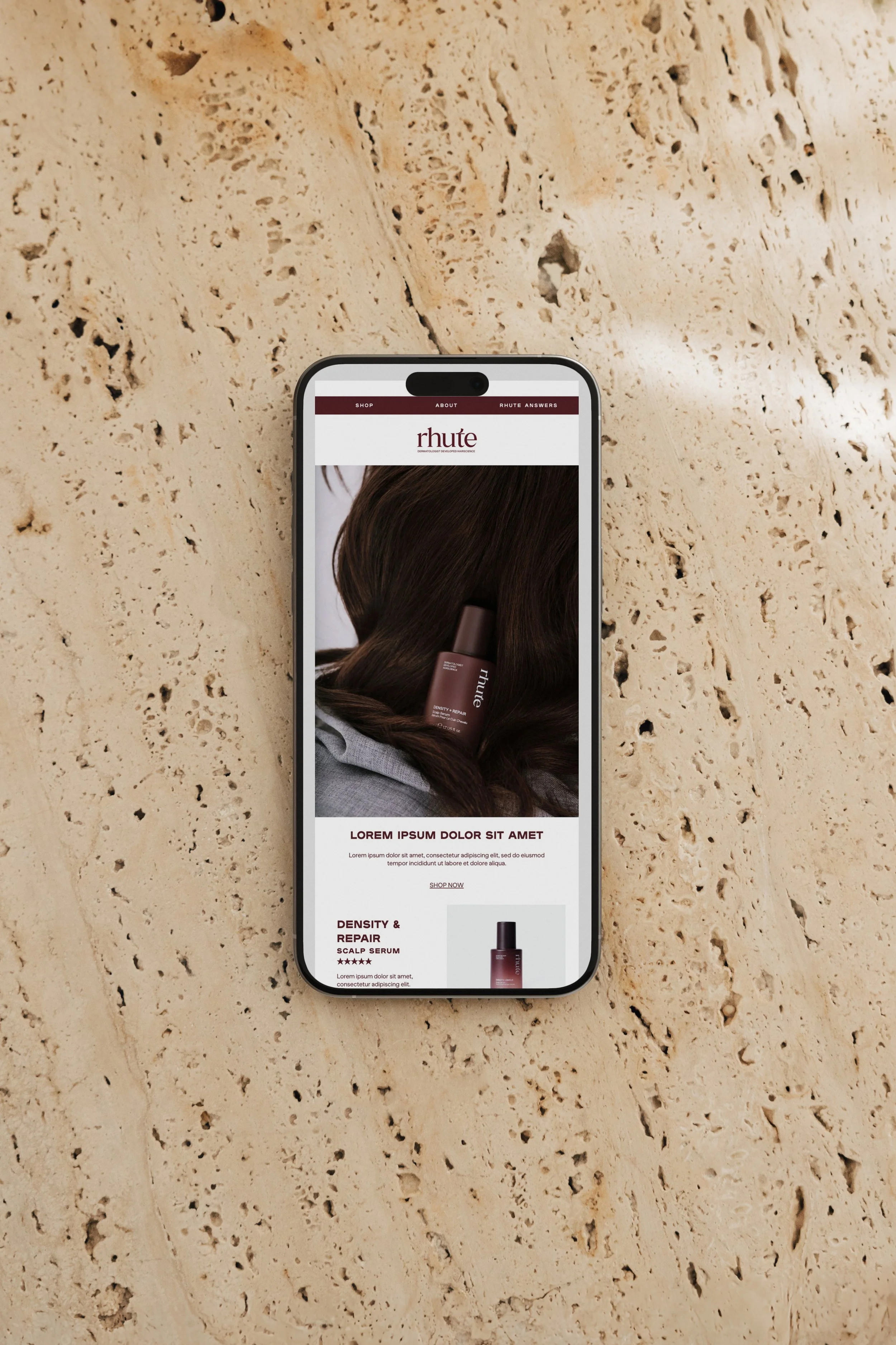
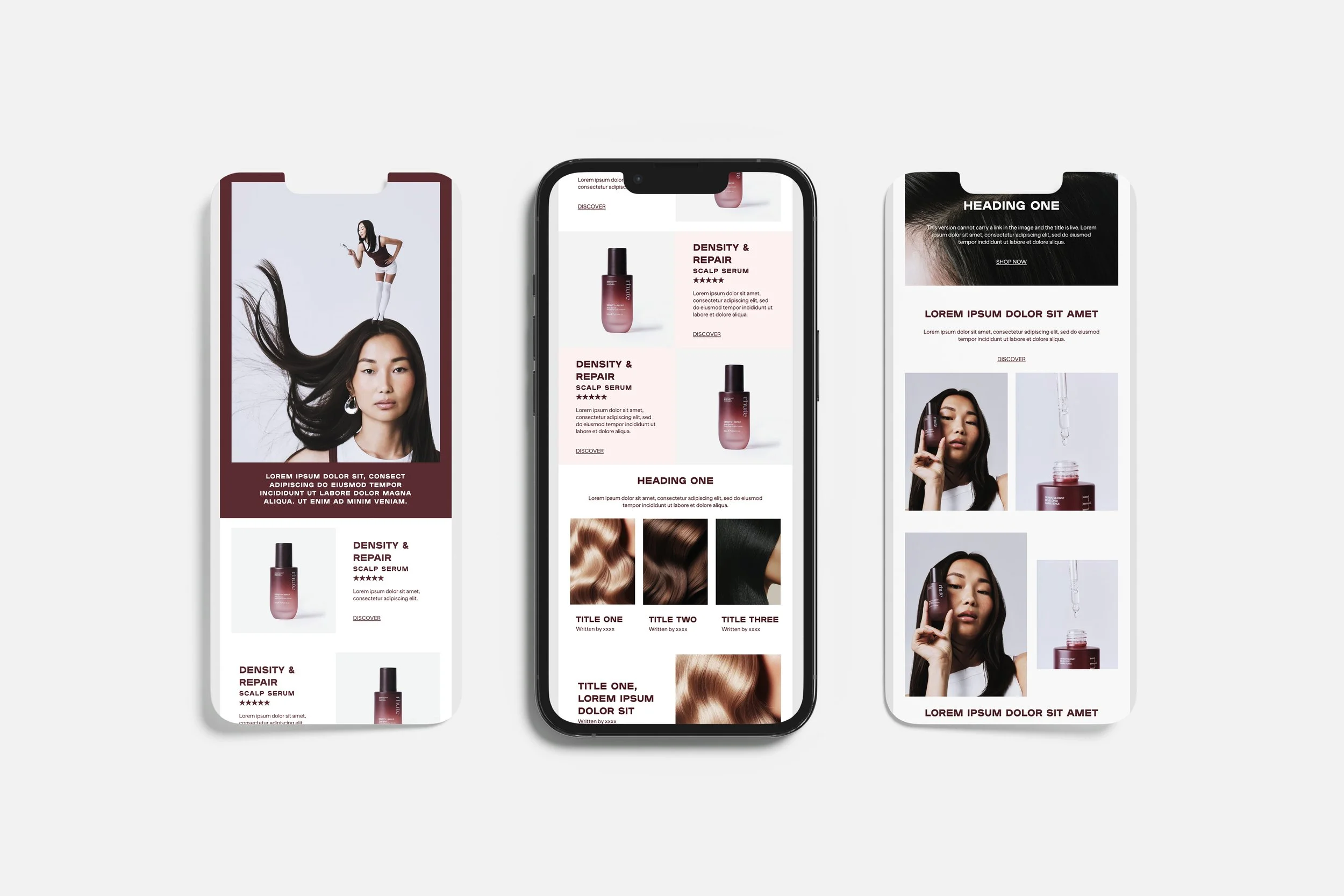
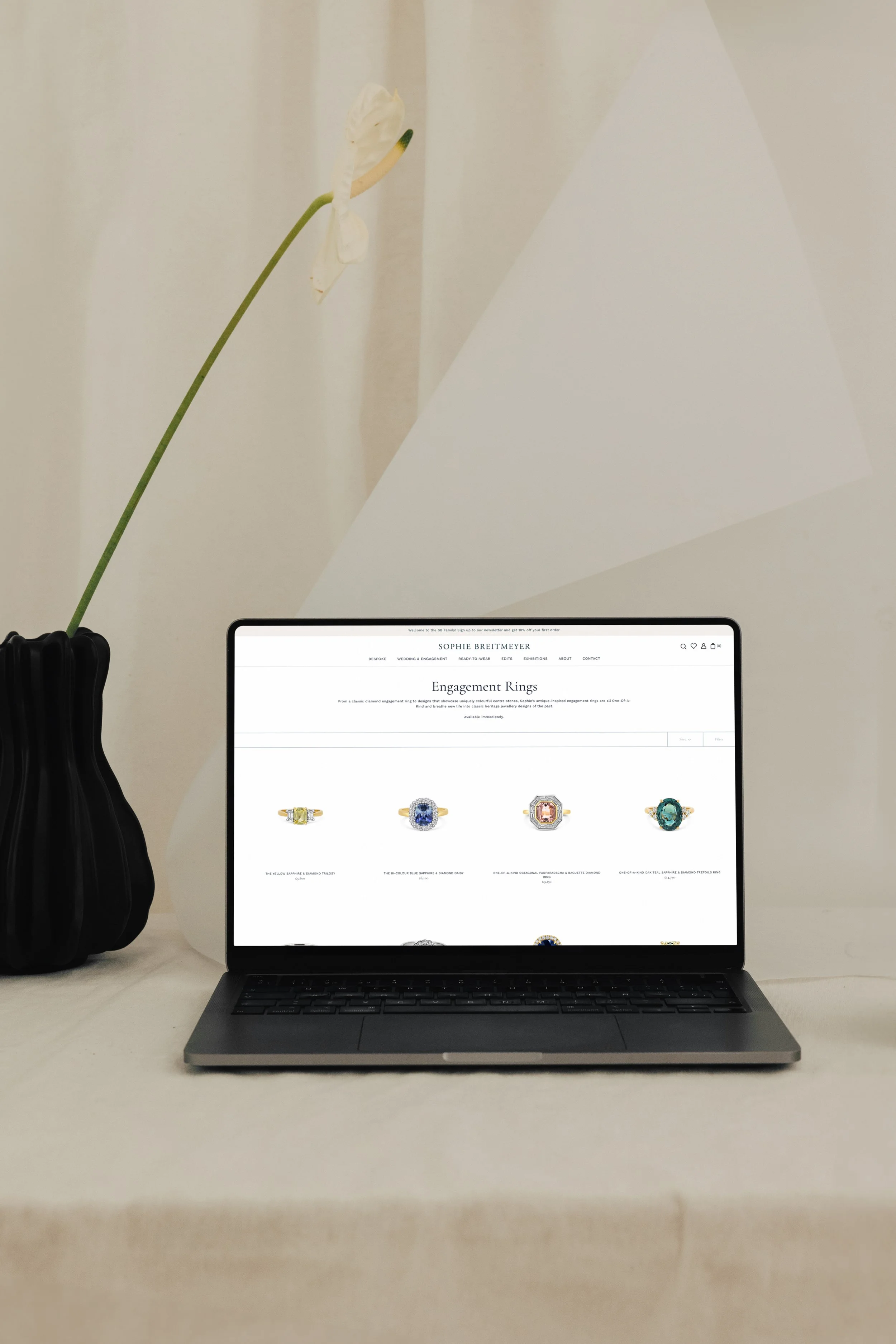
Some brands feel reassuring from the moment you encounter them. The website layout feels clear, the product presentation feels intentional and the messaging communicates value without needing to over explain. Customers move through the buying journey naturally because the structure of the experience supports their decision making.
Other brands feel harder to engage with. The product might still be strong, but the visual hierarchy lacks clarity, the storytelling feels functional rather than aspirational and the overall experience requires more effort to interpret. It’s frustrating for customers, and with shorter and shorter attention spans, people lose interest fast.
But don’t worry, the solution is simpler than you might think. The secret is usually design structure.
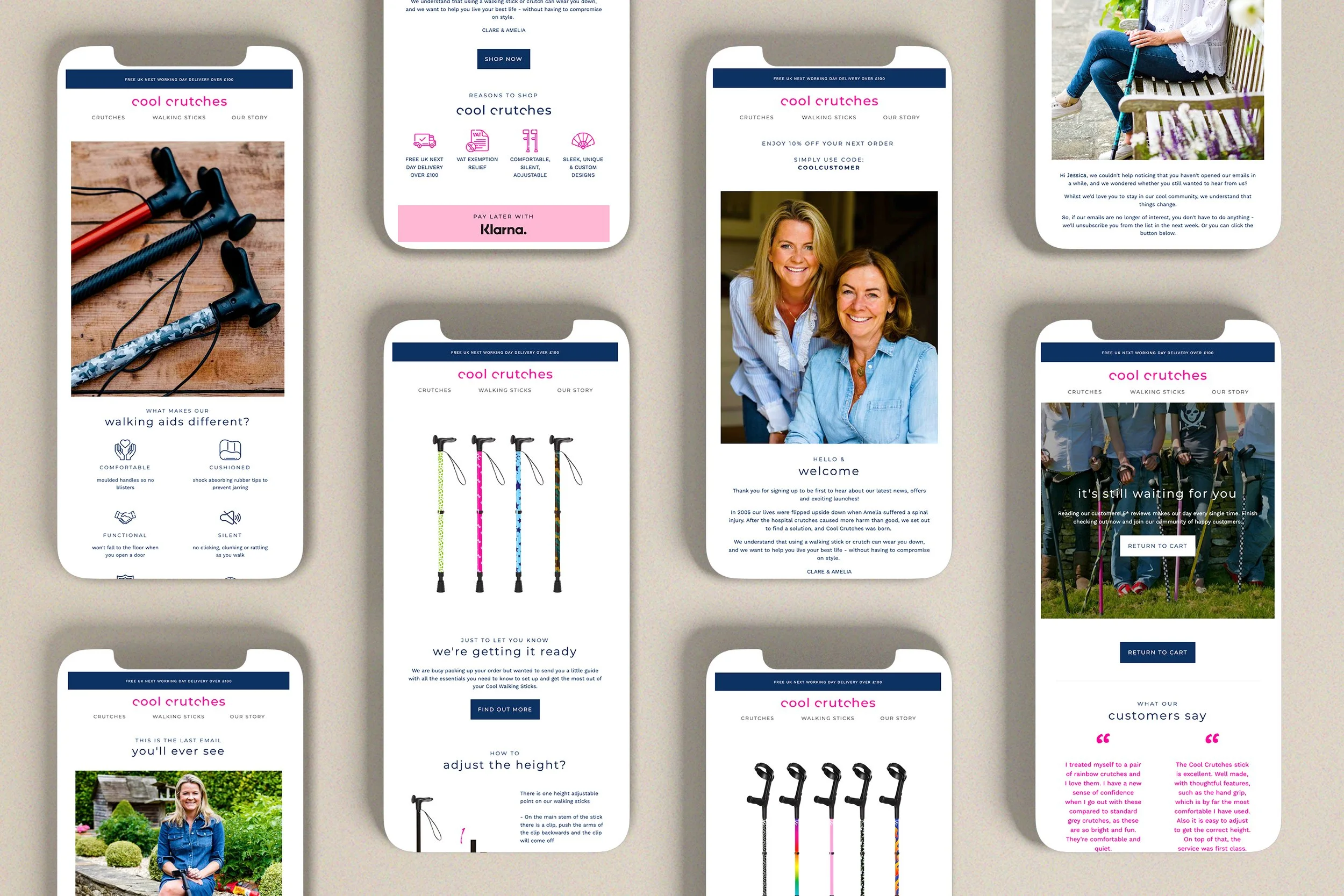
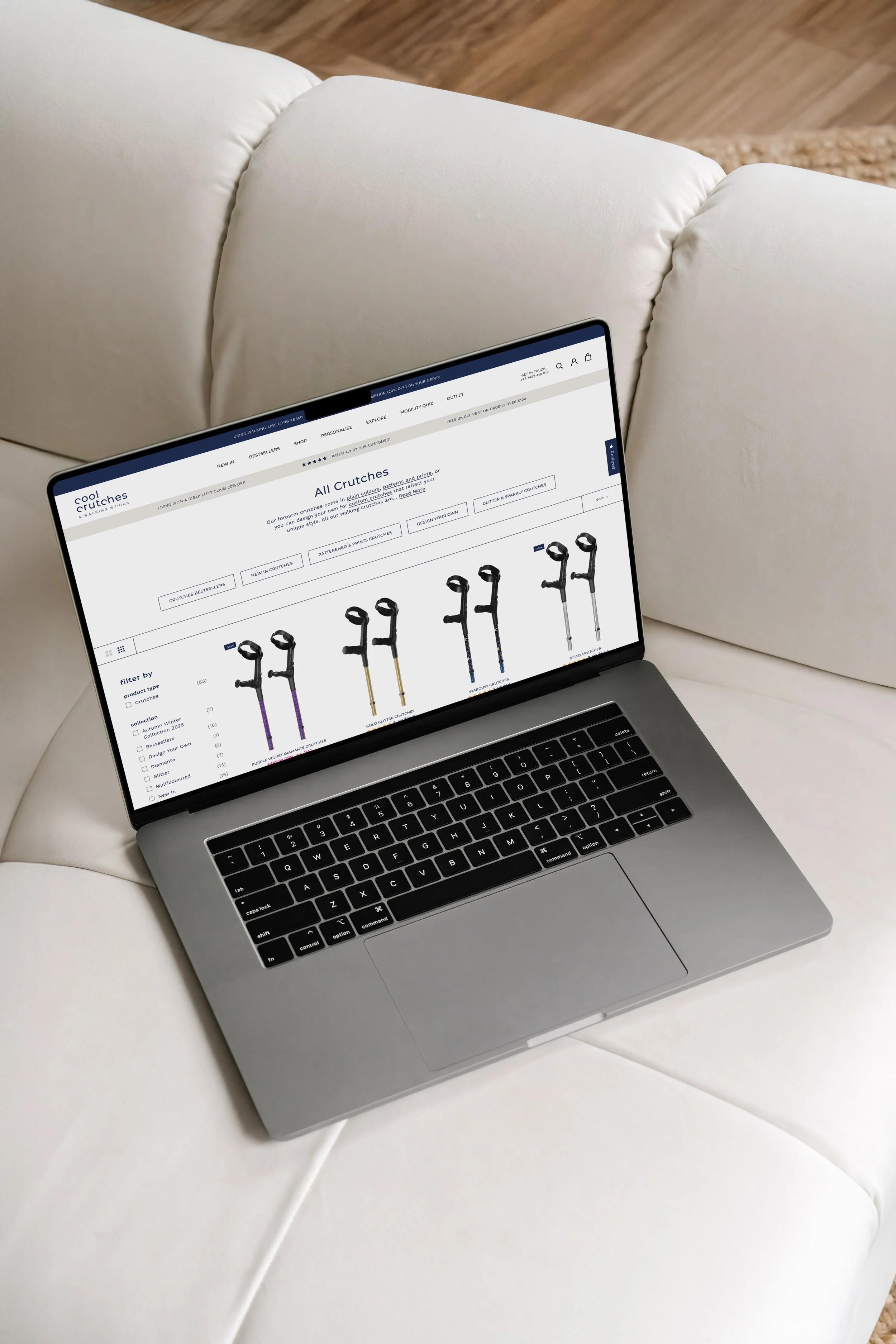
In eCommerce environments, especially, clarity and consistency reduce cognitive load. Customer experience thought leader Jakob Nielsen has researched into usability highlights and how users rely on predictable patterns with clear hierarchy to navigate digital environments efficiently. When these patterns are absent, hesitation increases.
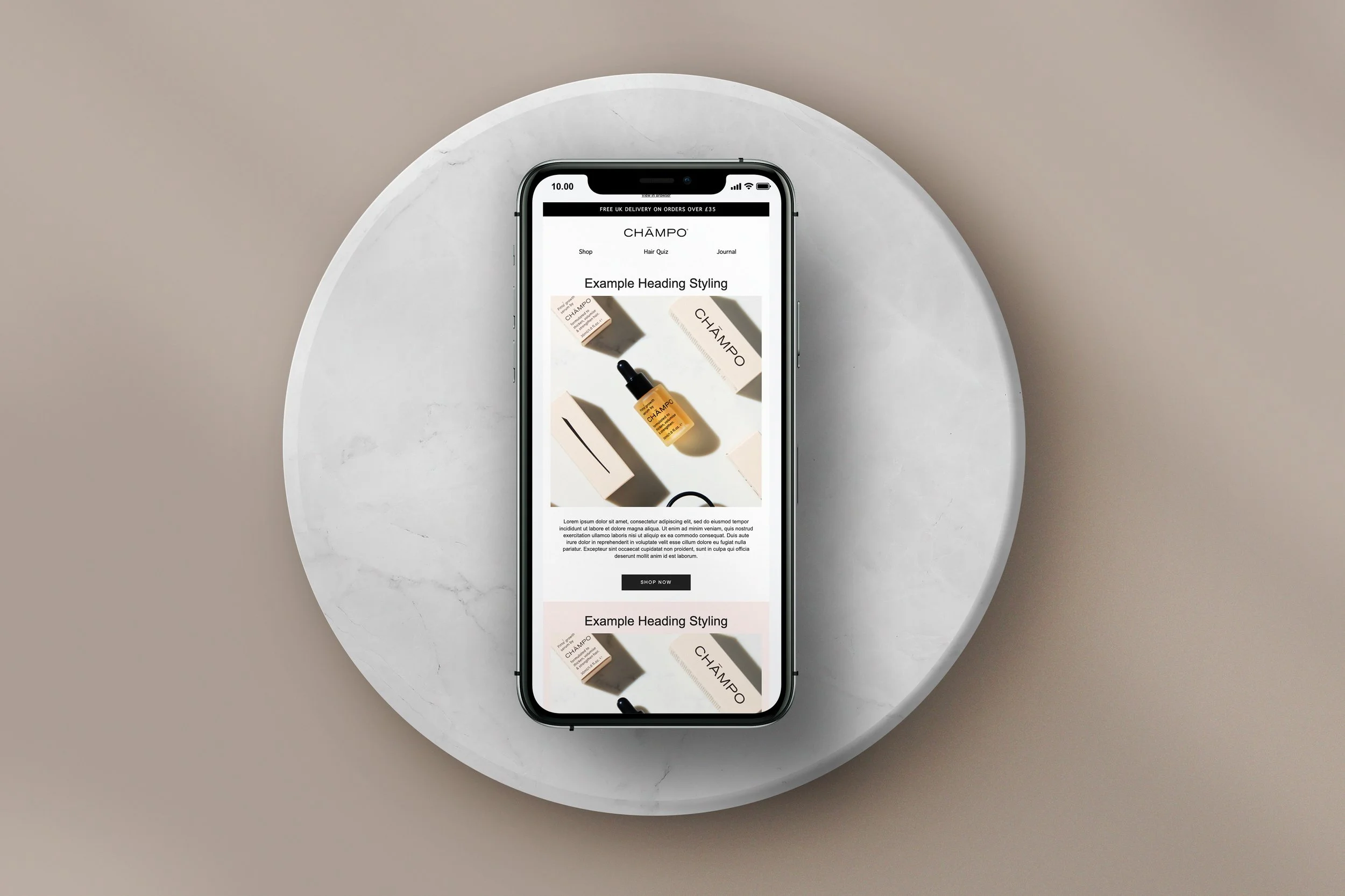
Typography hierarchy helps customers scan information quickly and understand what matters most. Product storytelling transforms specifications into emotional value. Thoughtful UX design ensures that navigation, product discovery and checkout feel intuitive rather than demanding.
When these elements align, customers feel reassured that the brand understands what it is doing. That reassurance translates directly into conversion. Design should add ease and fluidity to the buying process. Browsing should subconsciously trigger purchase, all whilst feeling enticing and build a positive association that lasts.

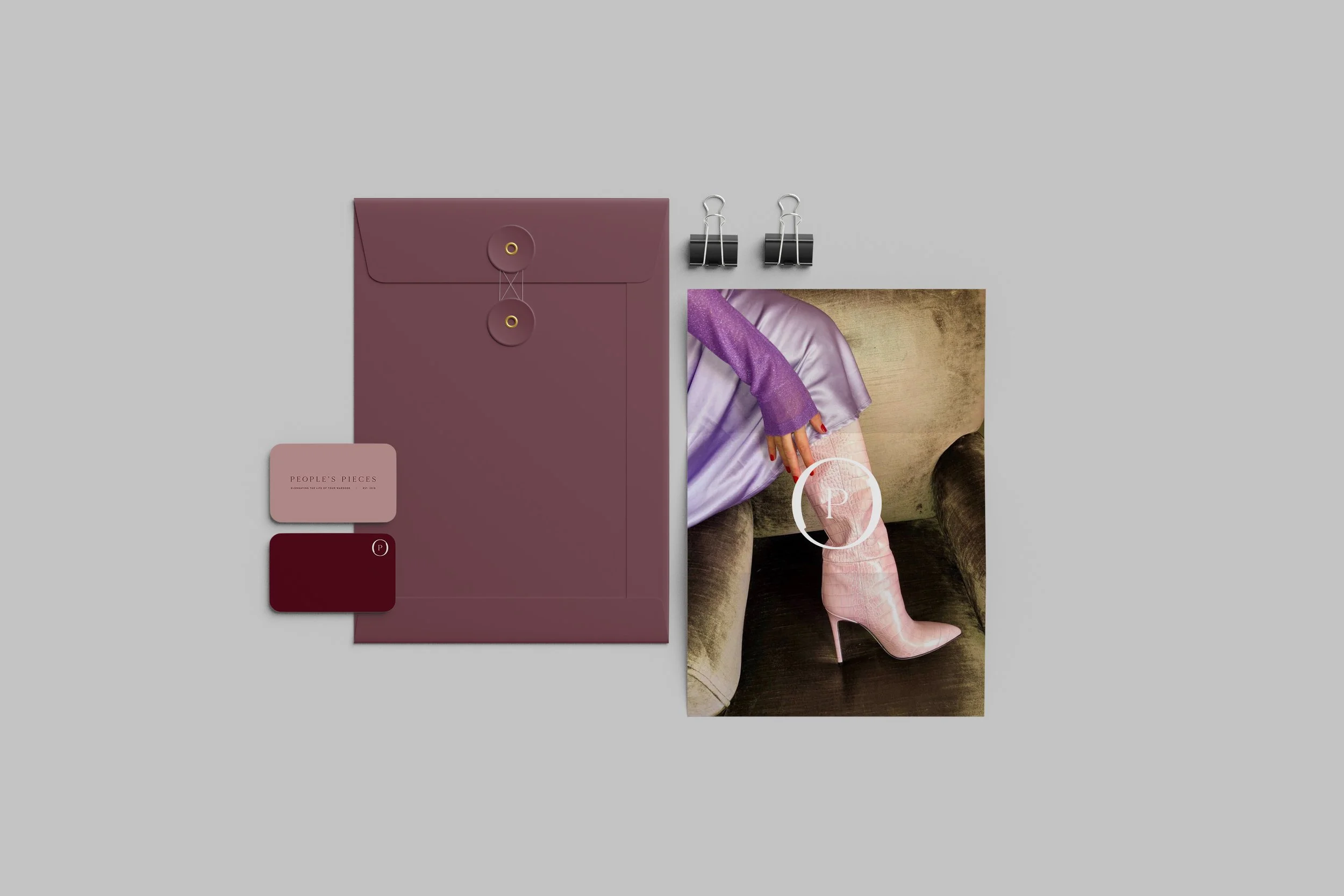
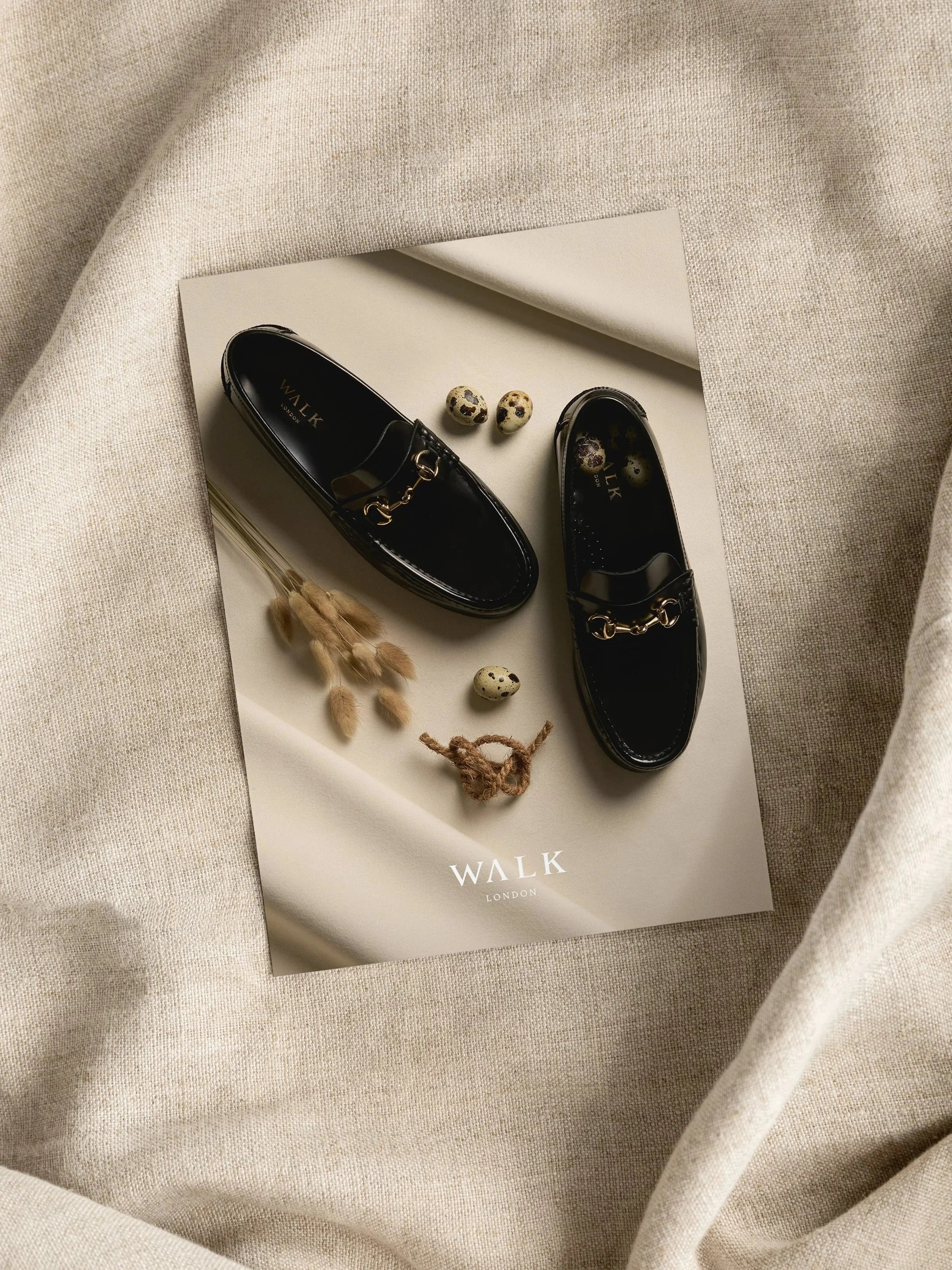
In fashion and lifestyle brands, where perceived value is closely tied to presentation, design becomes an essential commercial tool. Graphic design, brand strategy and eCommerce website design are not simply aesthetic decisions. They shape how confidently customers engage with a brand.
If a website feels difficult to navigate or visually inconsistent, the subconscious question customers ask is simple: if the brand cannot present itself clearly, can it deliver the experience I expect?
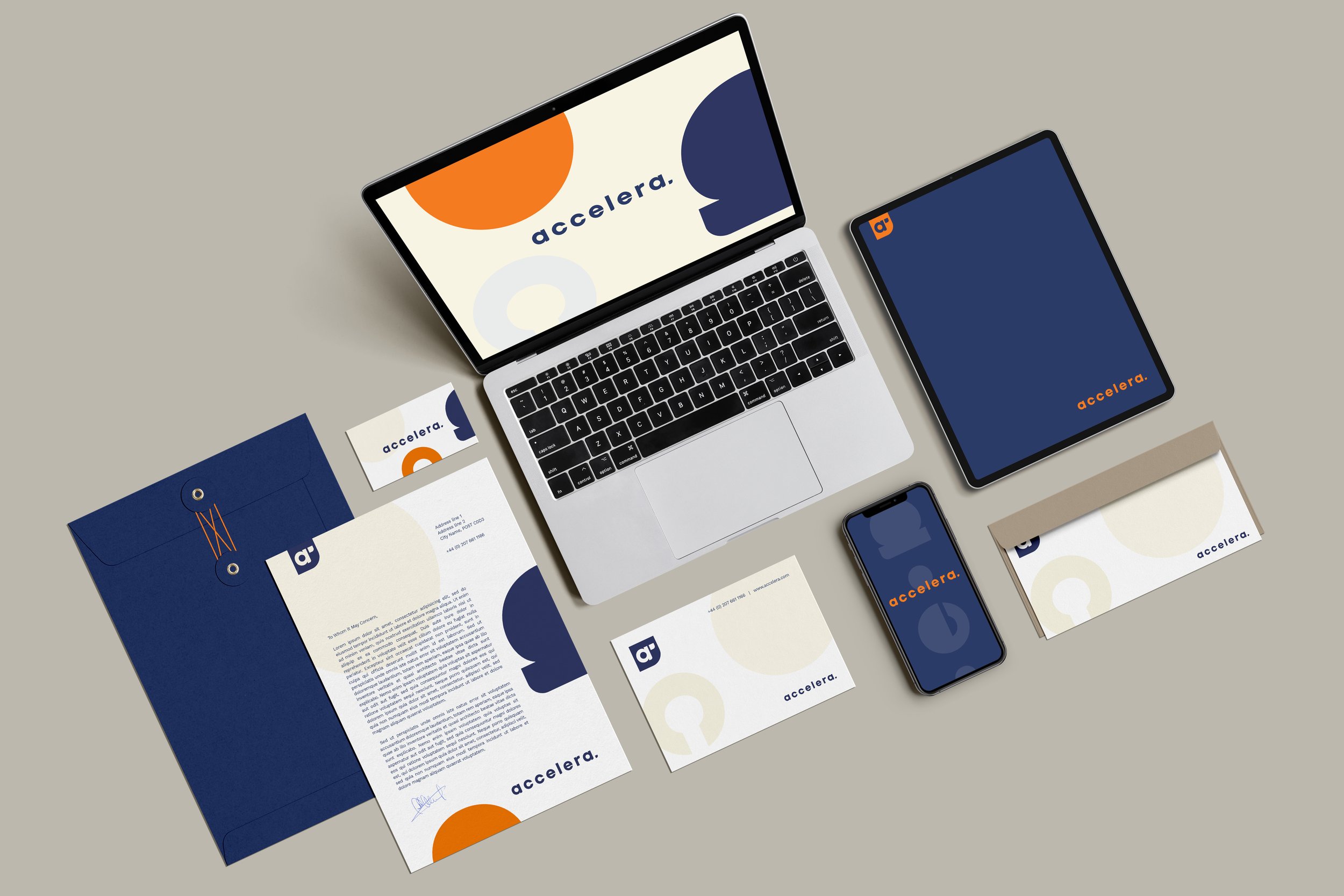
Brands that feel easy to buy from answer that question immediately. They communicate clarity, confidence and coherence at every touchpoint.
Need some help building a smoother experience? Let’s have a coffee!