How an Email Design System Improved Efficiency, Consistency and Engagement for a Leading Fashion Brand
The Challenge
When a leading fashion brand found itself facing a three-month gap before a newly hired Senior Designer could join the business, the immediate requirement was straightforward: maintain design output during a period of transition.
What quickly became apparent, however, was that the challenge ran much deeper than resource capacity.
The email programme had evolved organically over time. Despite clear content categories existing within the marketing plan, almost every campaign was still being designed from scratch.
Briefs varied significantly depending on who was involved. Some contained too much copy, others too little. Product selection was inconsistent. Editorial storytelling often lacked structure. Campaign production relied heavily on individual knowledge rather than a shared process.
As the business continued to scale, this created unnecessary friction across marketing, content, merchandising, design and eCommerce teams.
The goal became larger than temporary design support.
We identified that there was an opportunity to create a scalable Email Design System that could improve efficiency, increase consistency and enable future team members to deliver work quickly without compromising creativity.
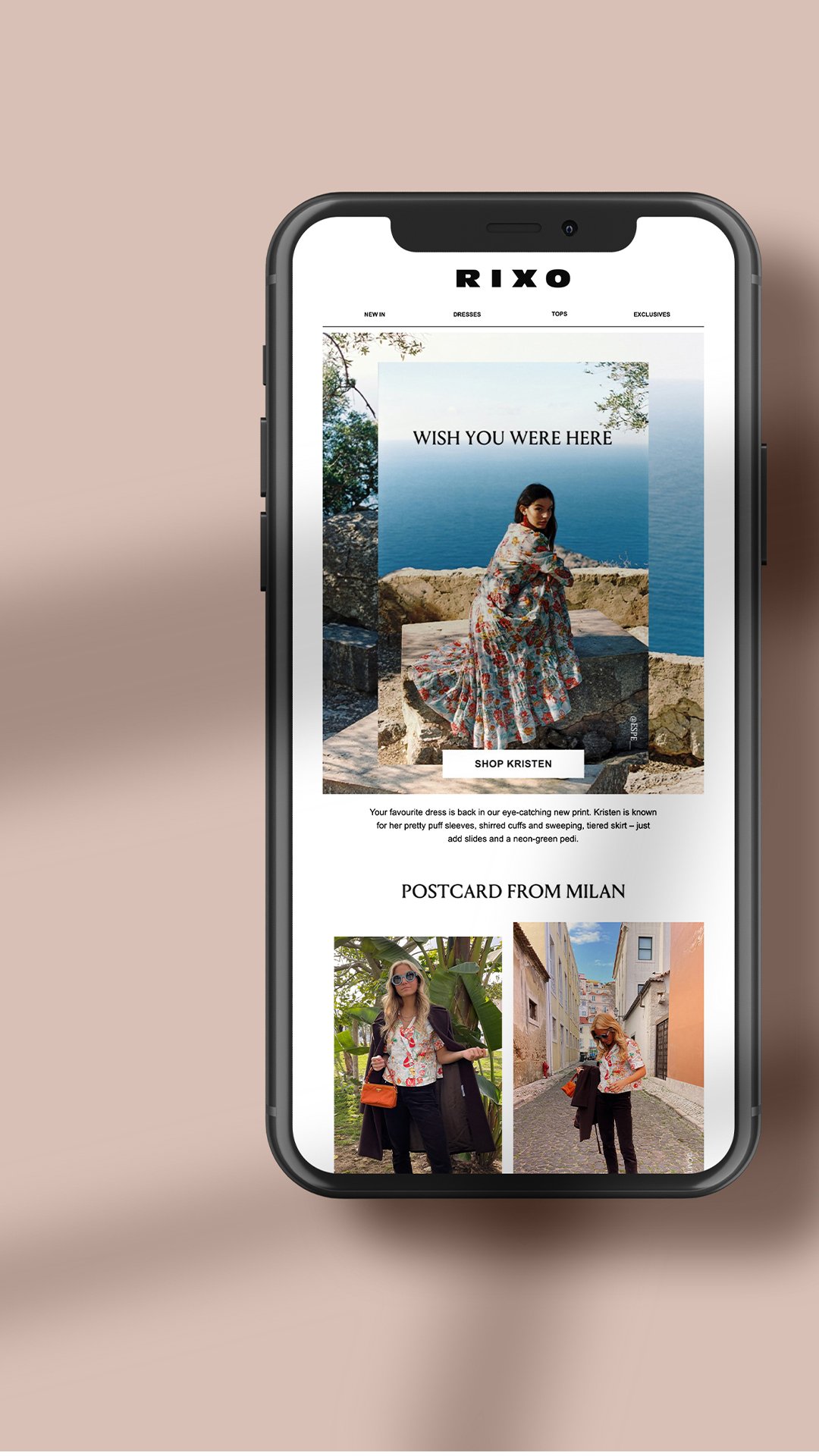
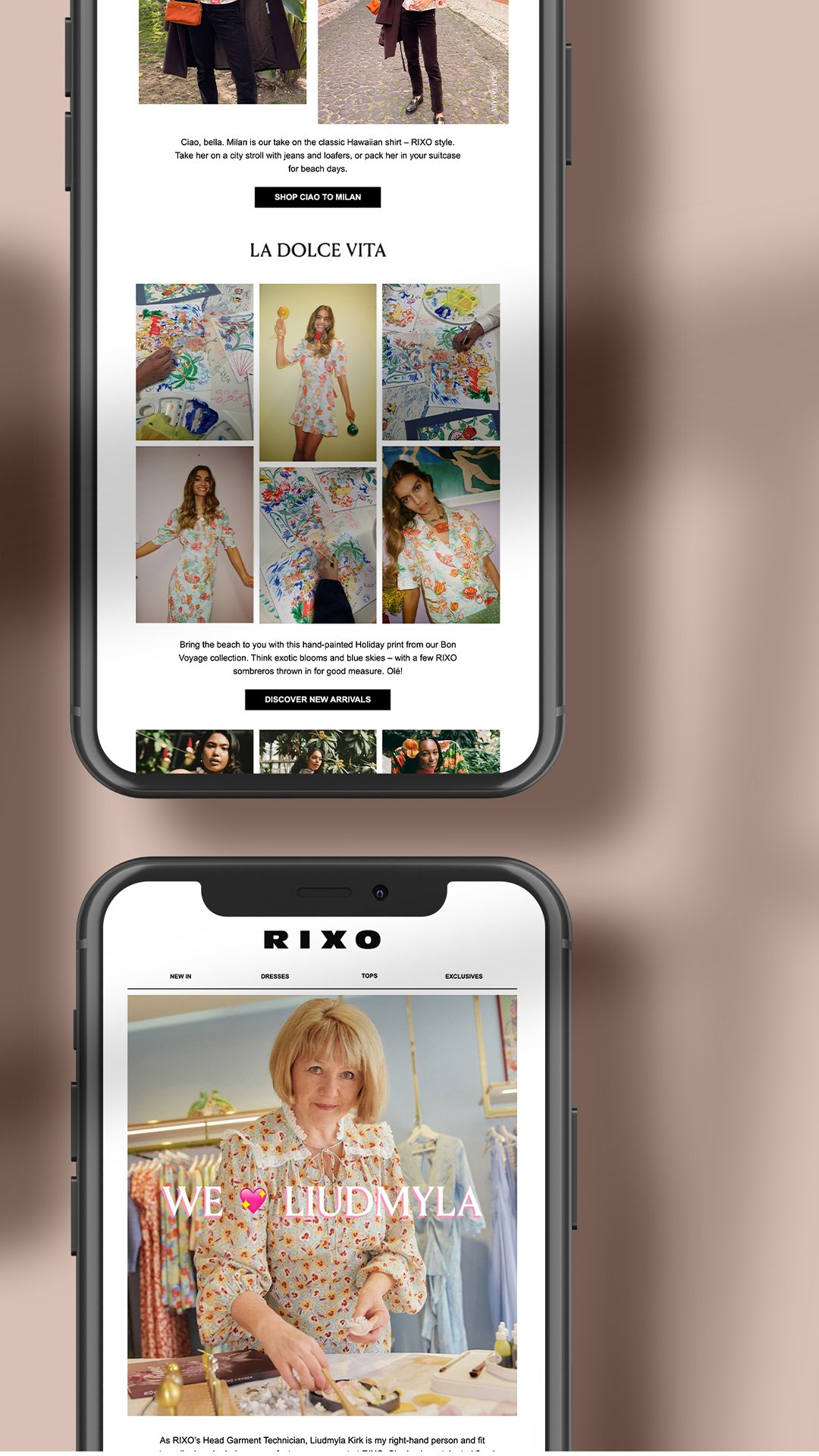
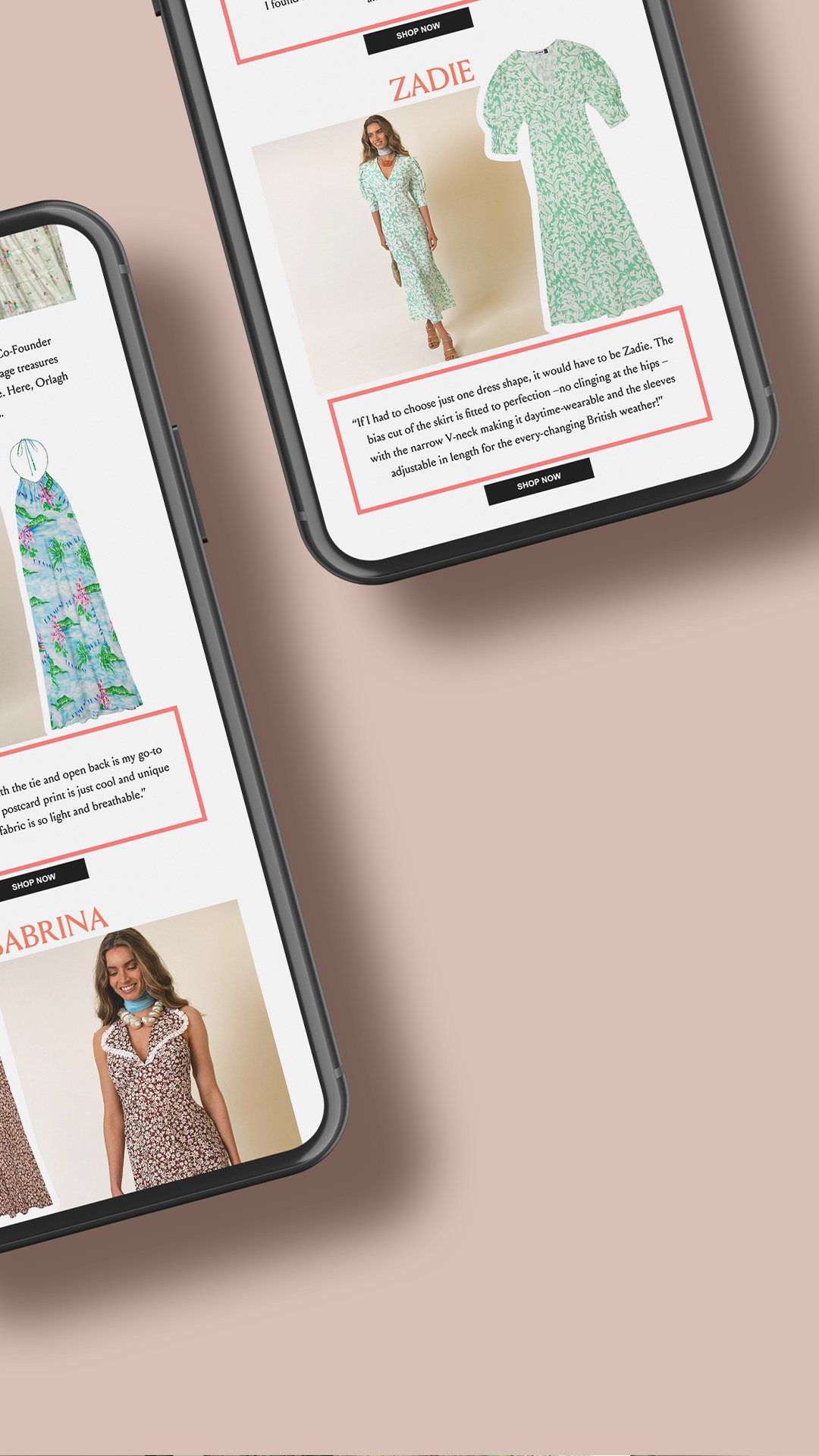
Our Approach
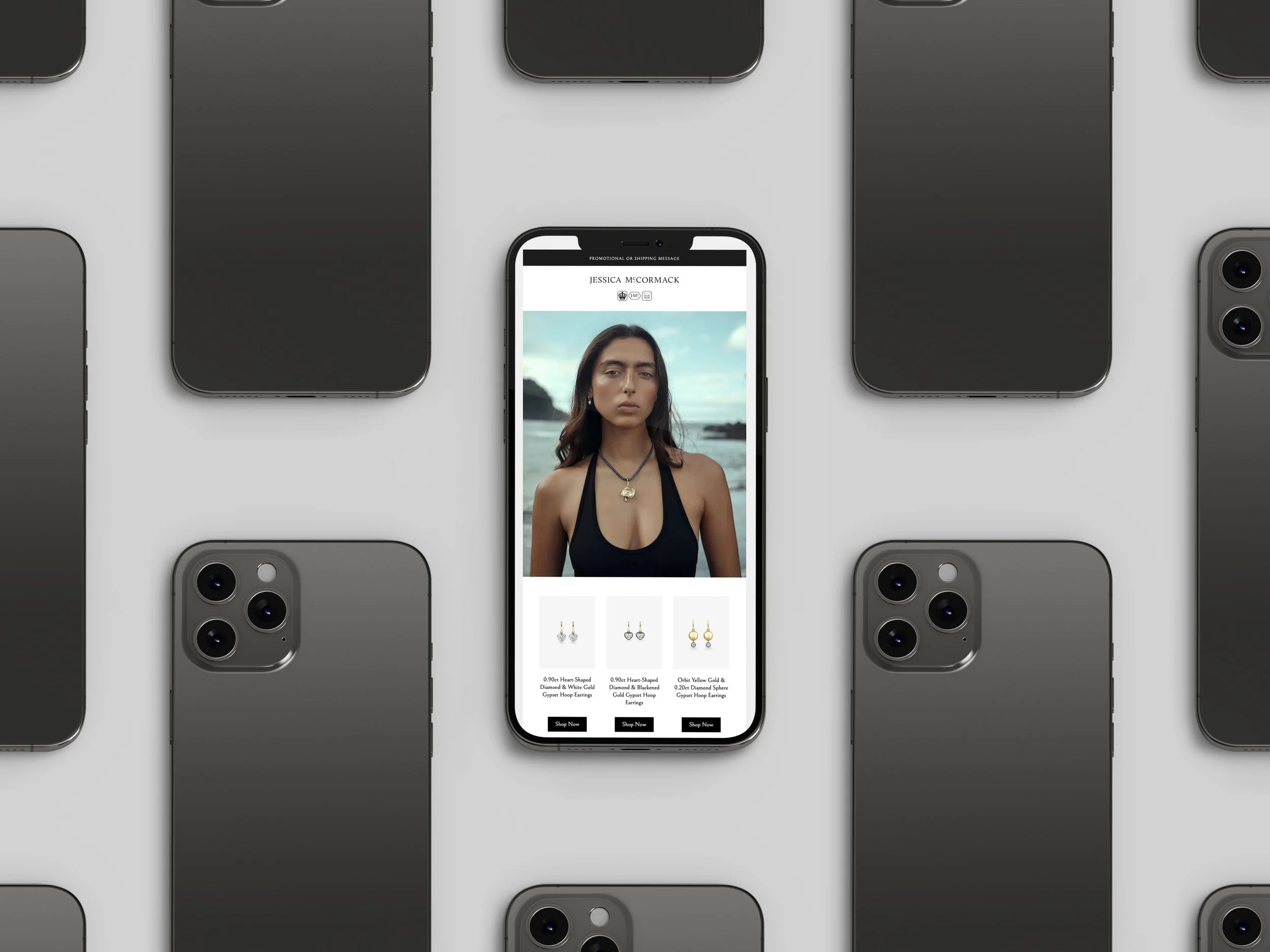
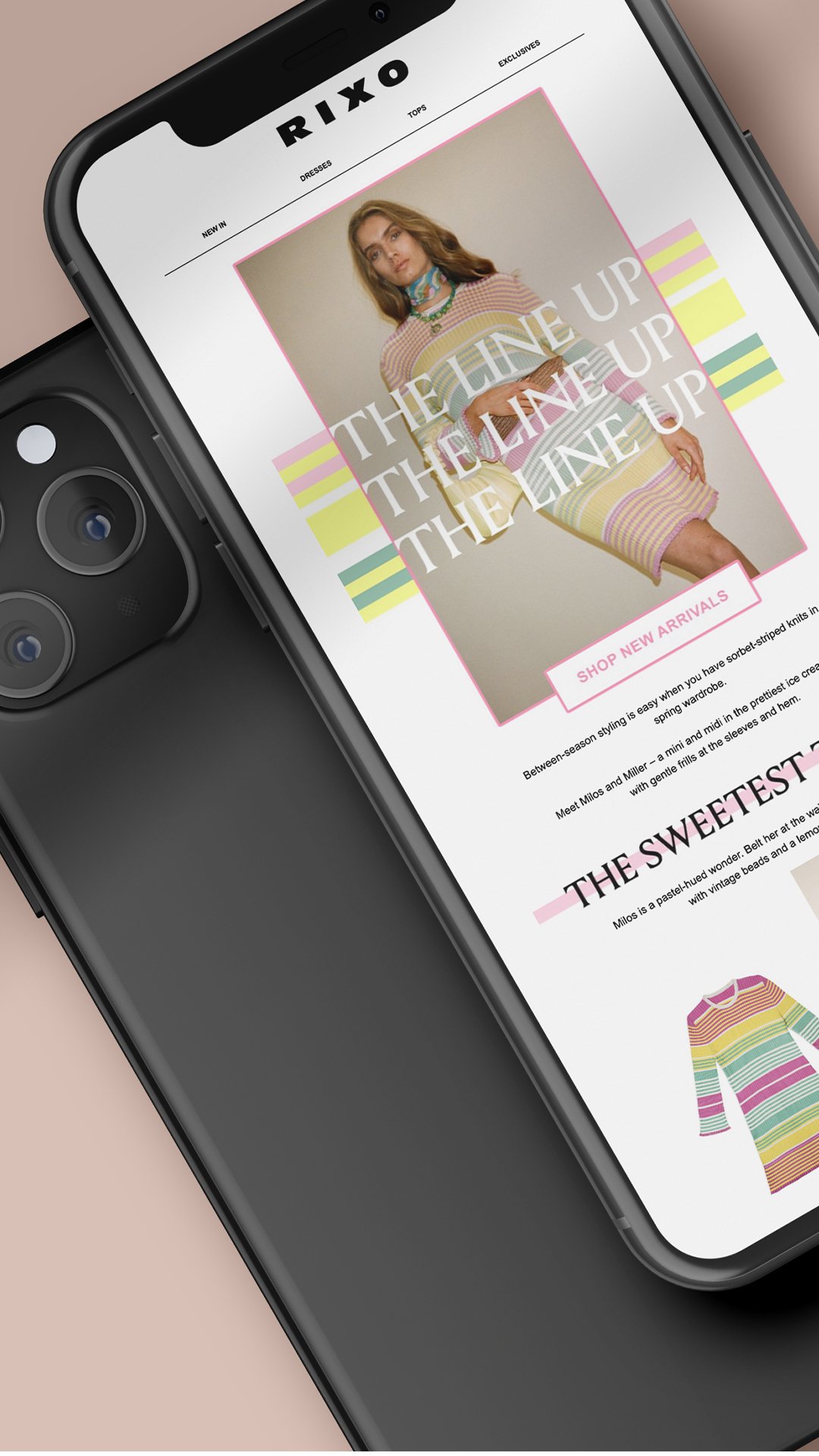
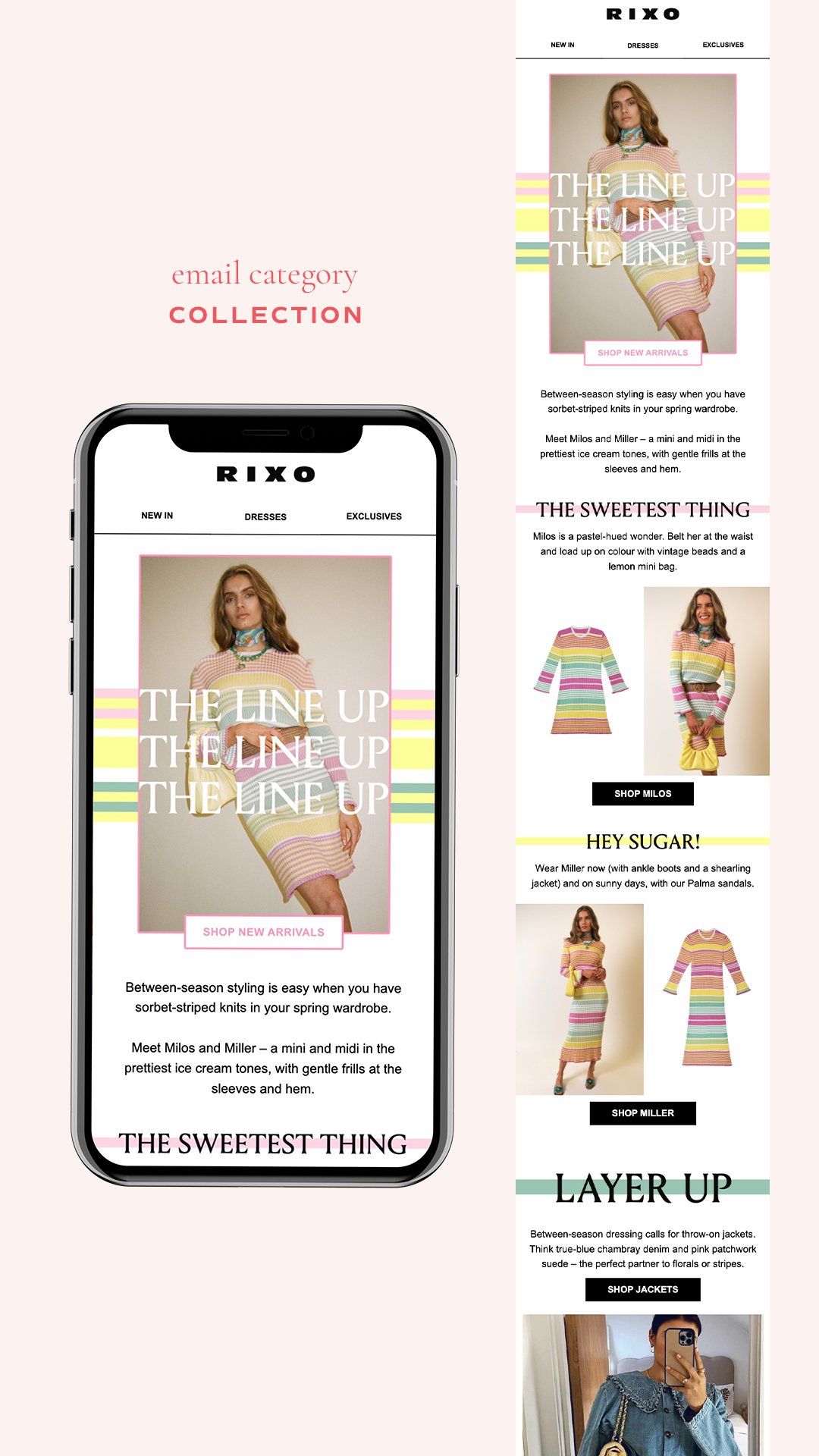
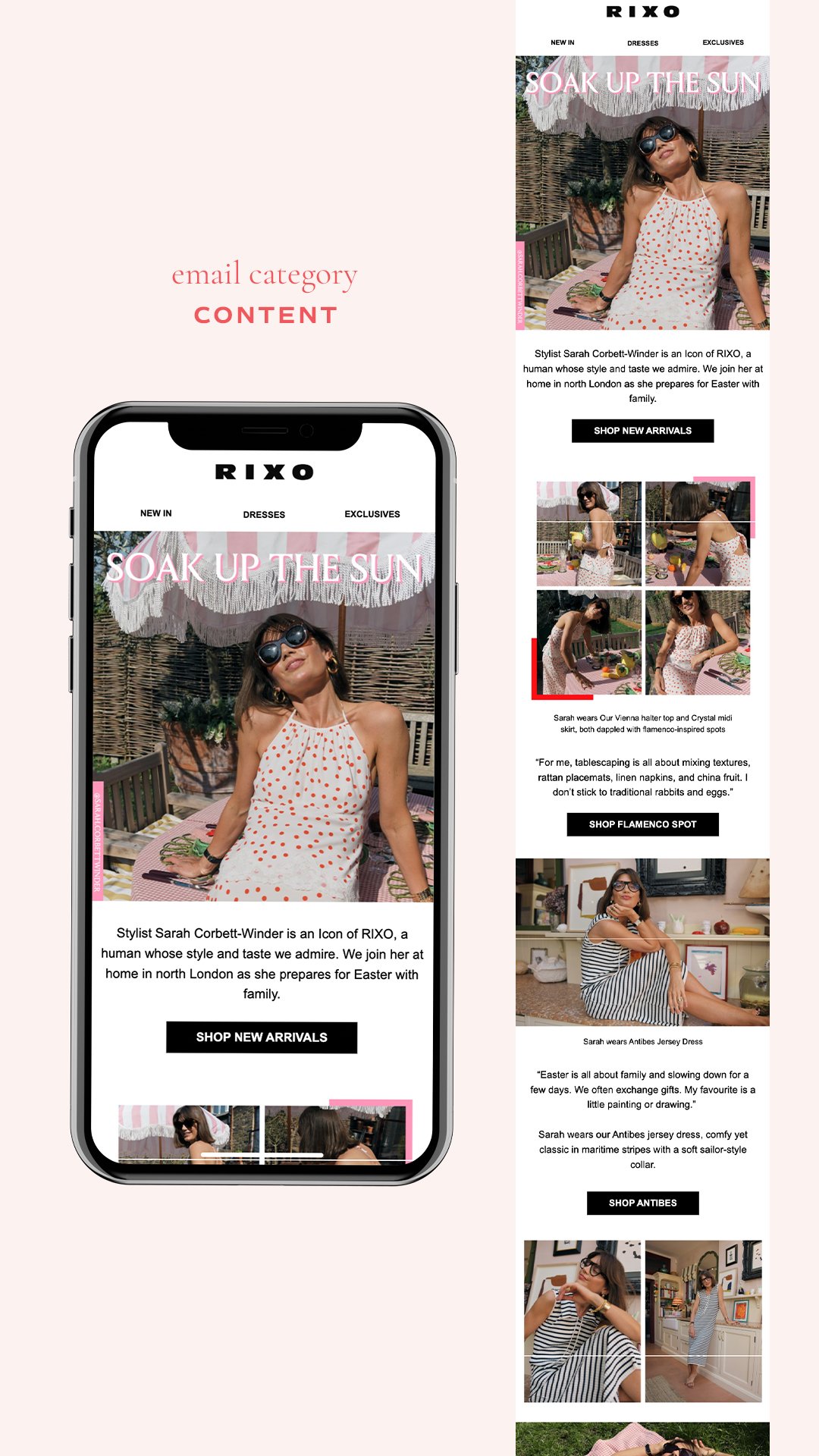
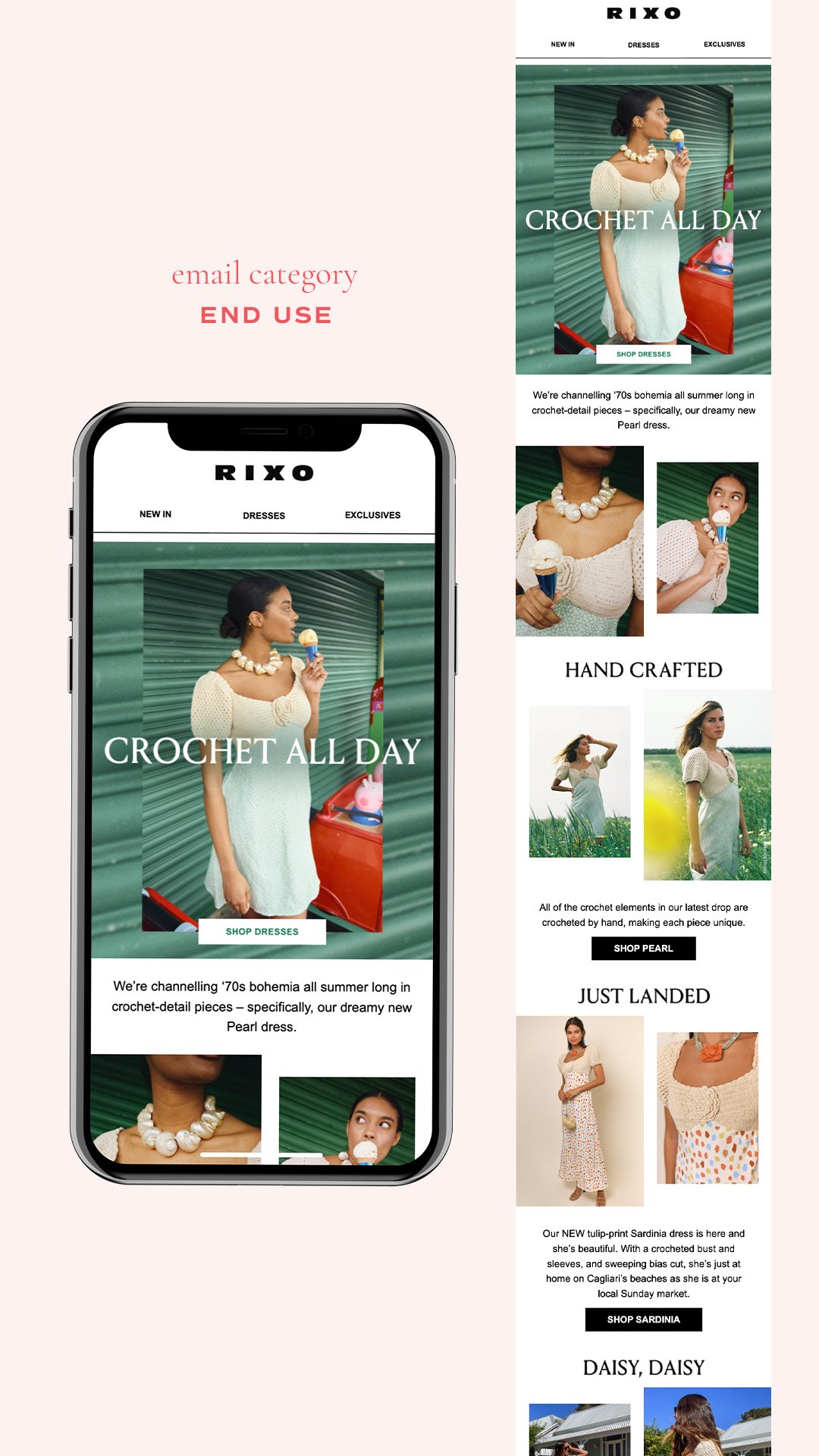
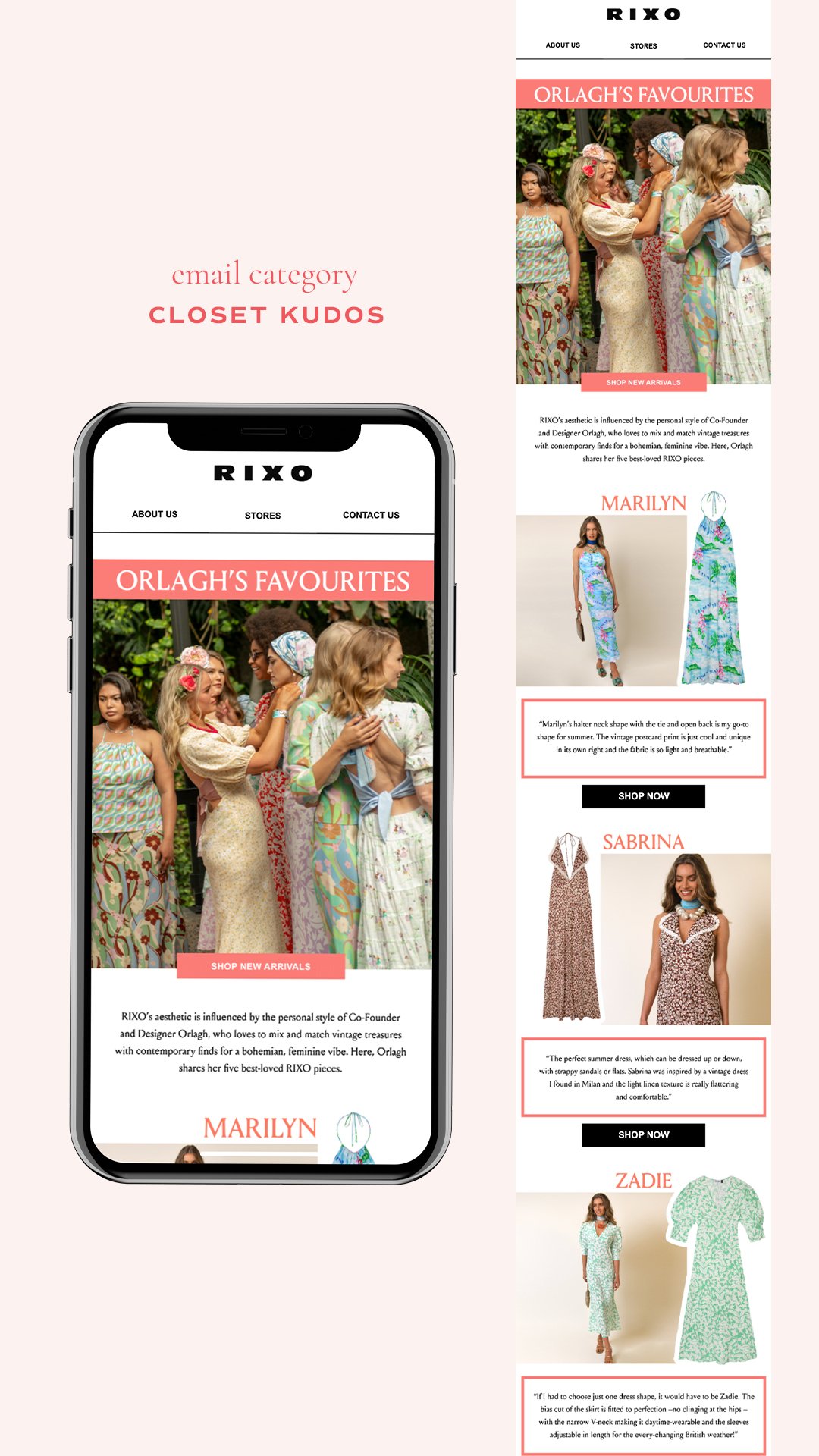
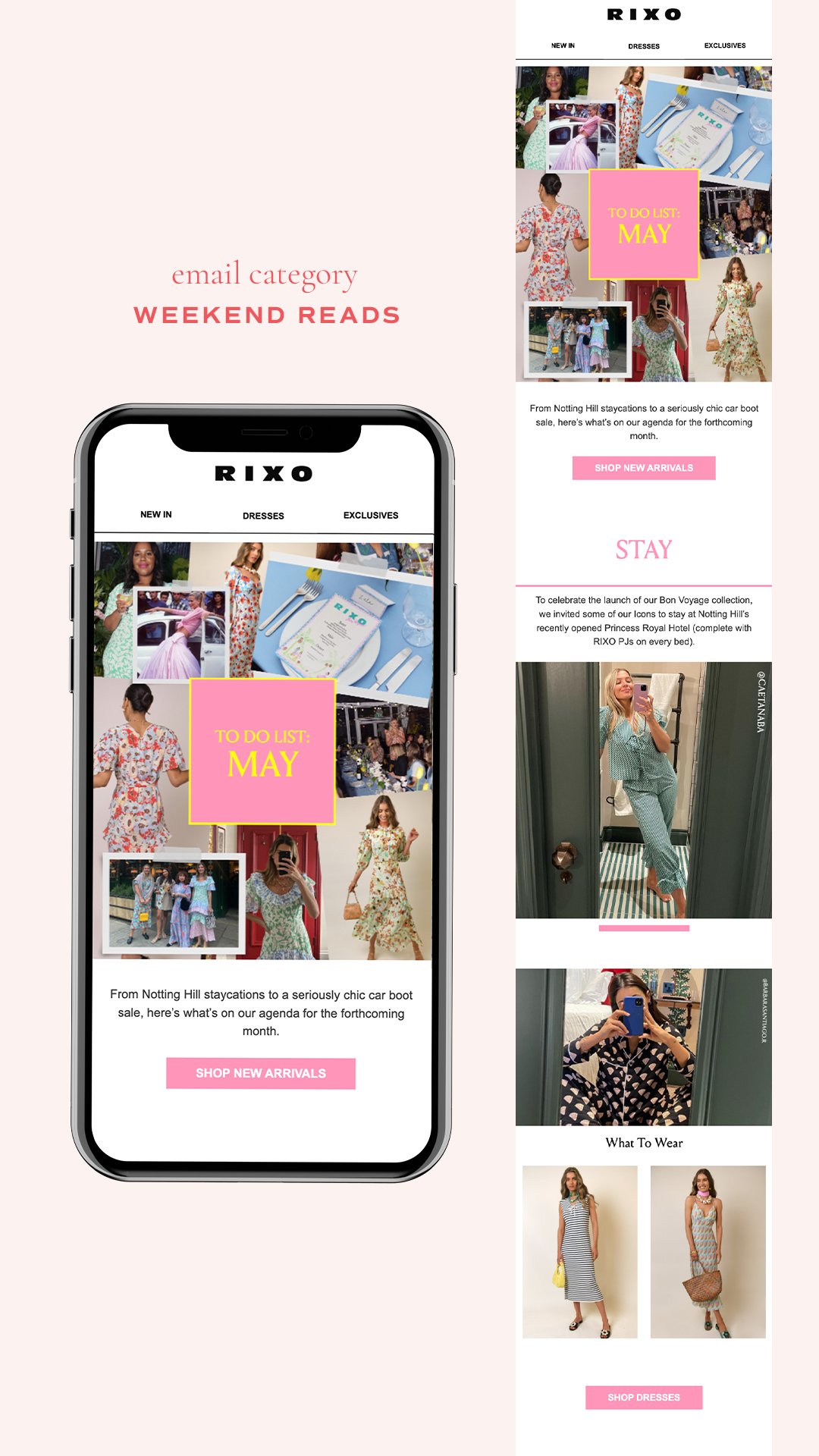
Rather than creating a collection of static templates, we developed a strategic framework for how the brand communicated through email.
The project began by analysing the types of campaigns being sent across the business and identifying recurring content themes.
Each category was then assigned a specific commercial role within the customer journey.
Examples included
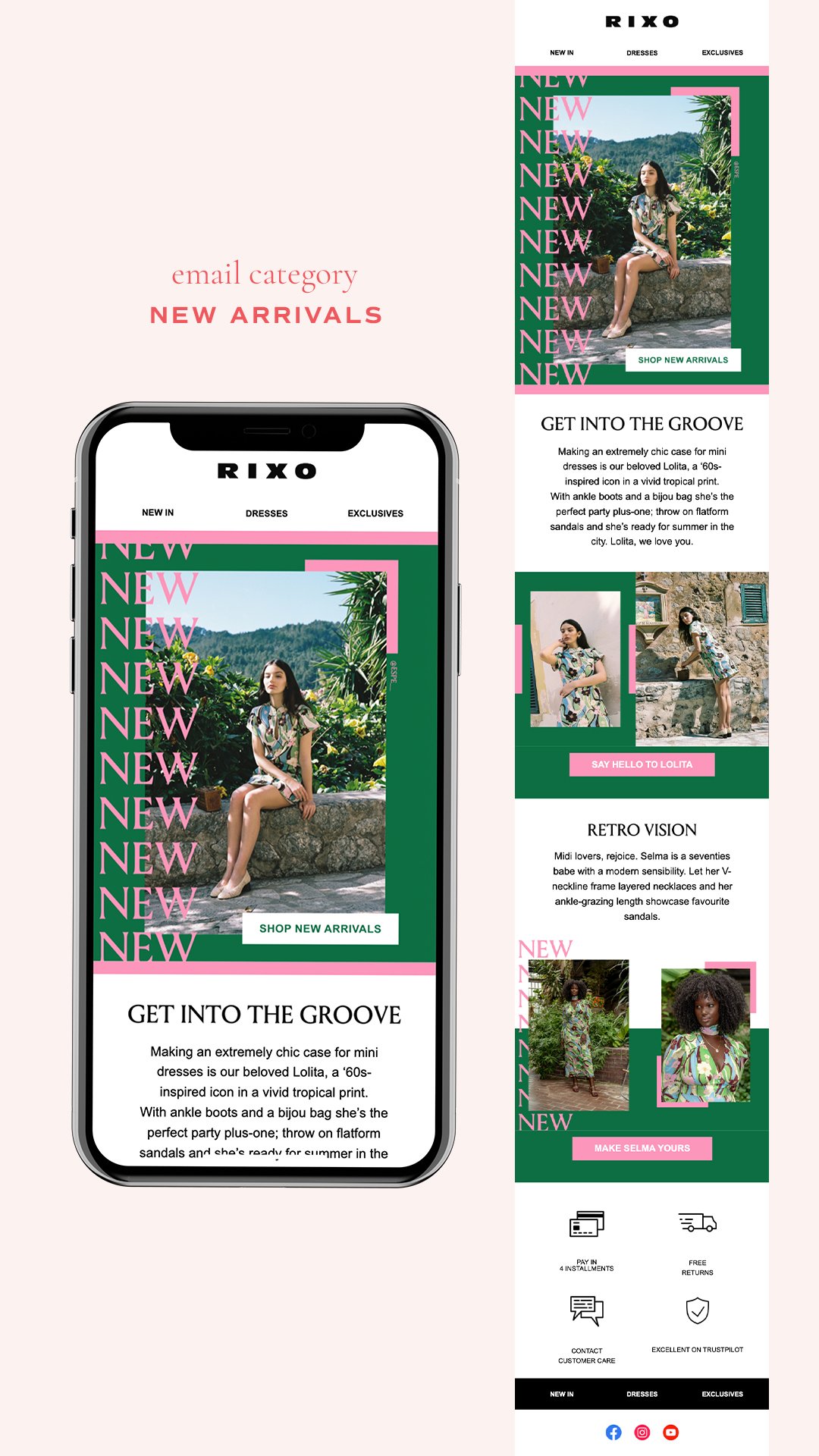
New Arrivals
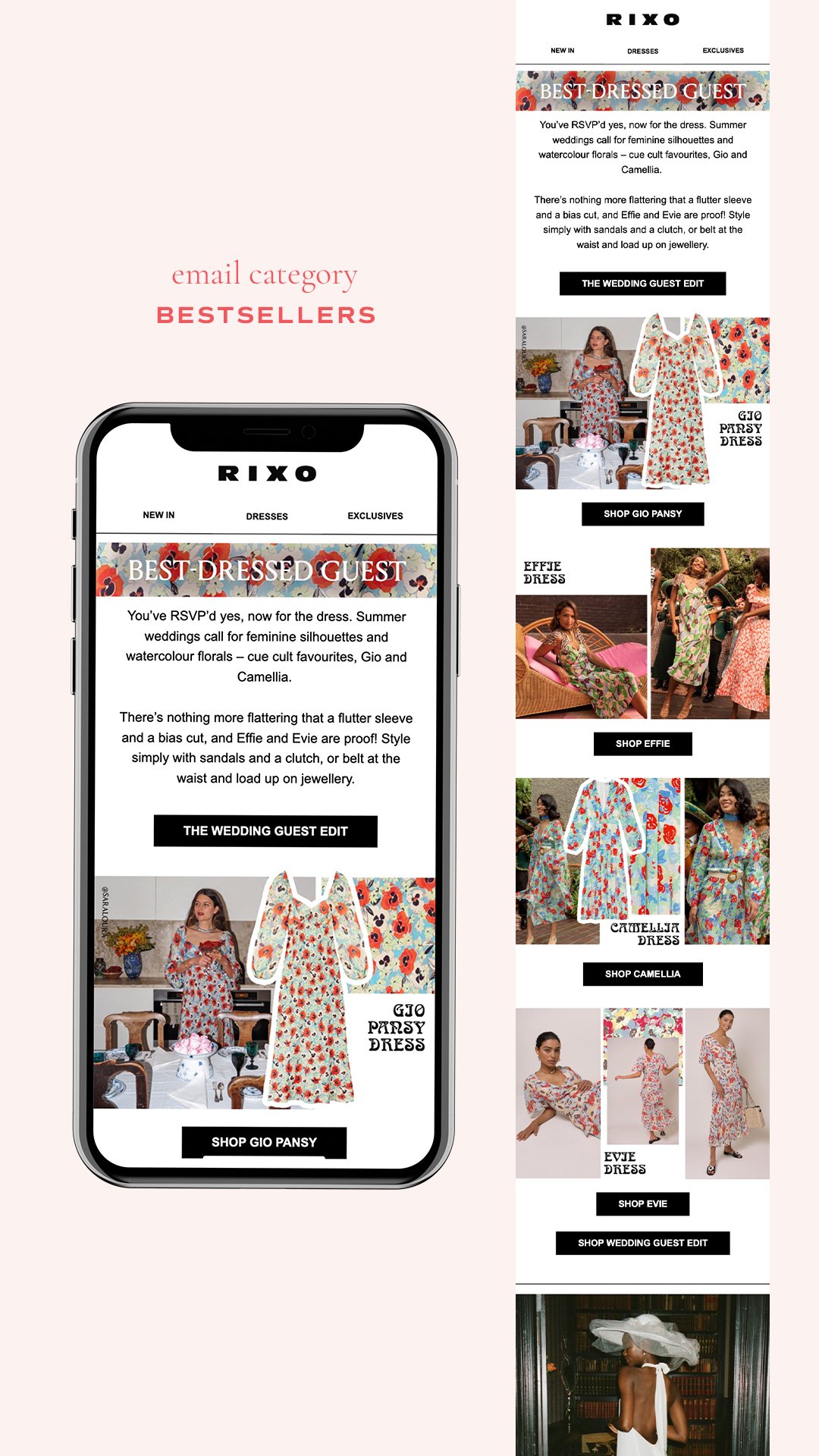
Bestsellers
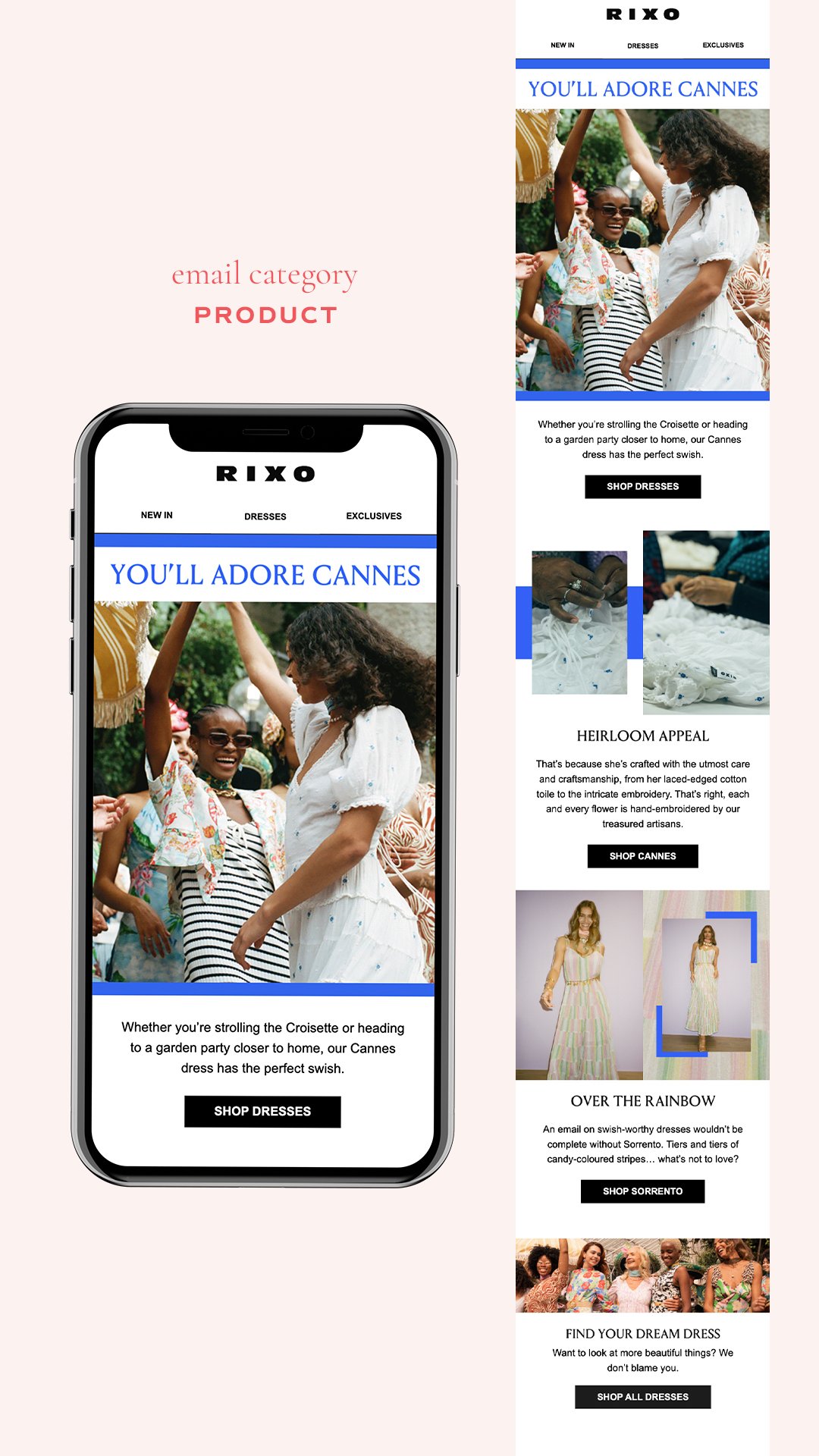
Product Focus
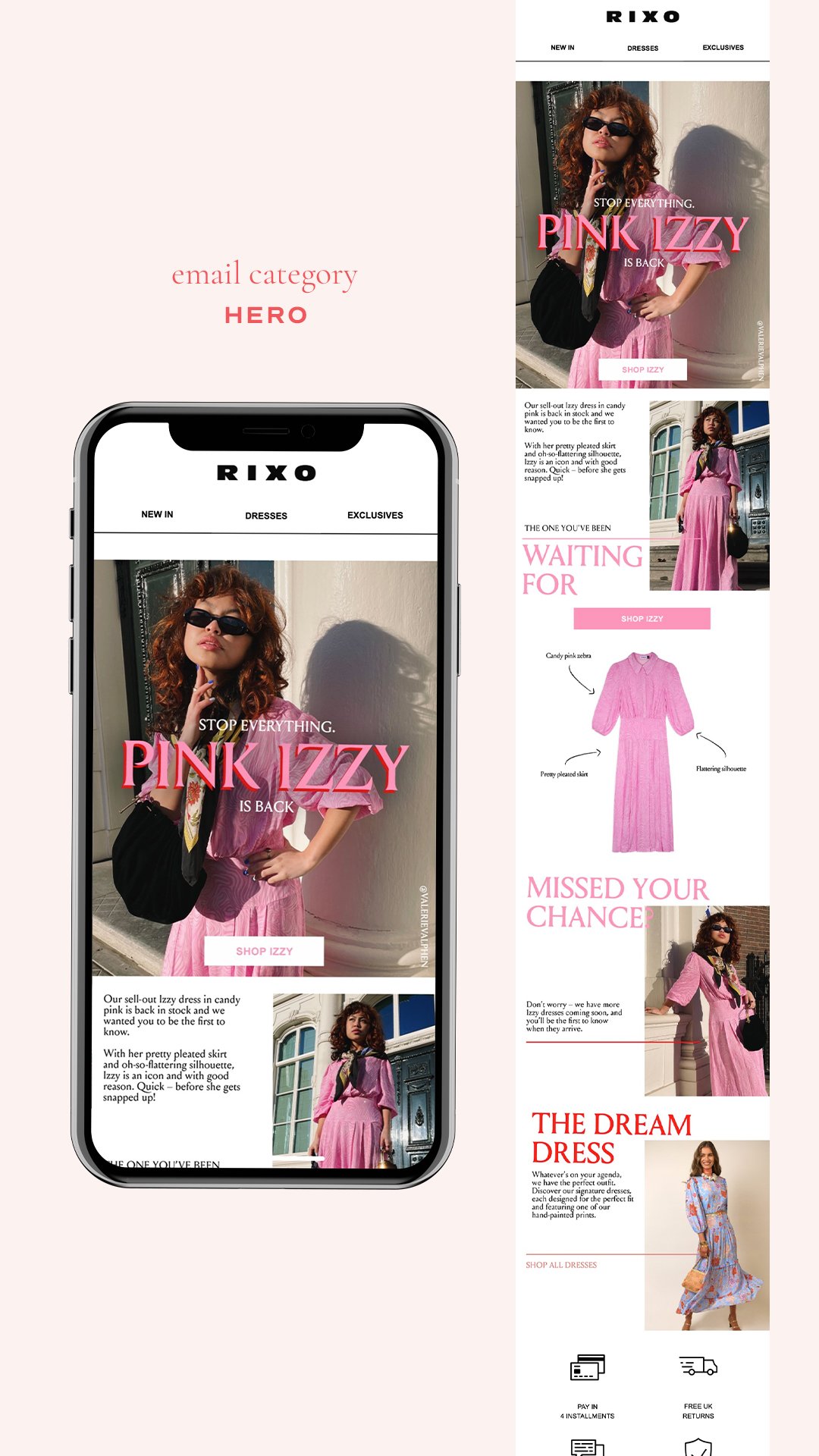
Hero Product Features
Collection Launches
Editorial Content
End Use and Styling
VIP Communications
Community and Lifestyle Content
For every category, we documented objective, messaging, hierarchy, content requirements, creative direction and best practice examples.
This transformed email planning from a blank-page exercise into a structured decision-making process. Marketing teams could identify the objective first and then select the most appropriate framework to achieve it.
The result was a system that balanced consistency with creative flexibility.
Teams had clear parameters while still retaining room for campaign-specific storytelling and creative expression.
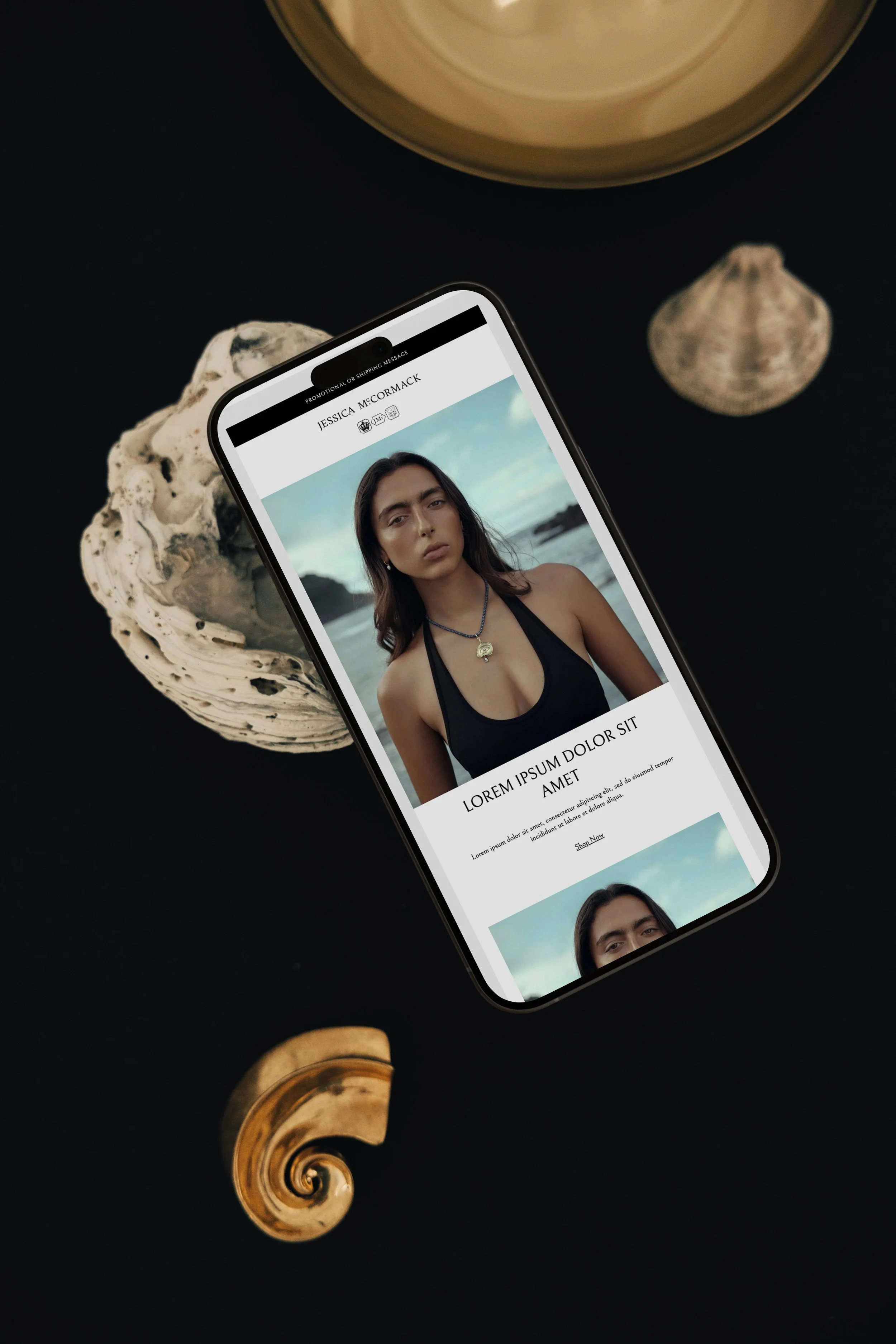
The Solution
The final Email Design System provided a shared framework for multiple departments.
The process became:
Identify the campaign objective.
Select the relevant email category.
Brief using the framework documentation.
Build using the approved template structure.
Deploy through Klaviyo.
Every template included predefined hierarchy, content requirements and customer messaging principles, so briefing became significantly faster and more consistent. Designers could spend less time interpreting requirements and more time creating effective campaigns.
Perhaps most importantly, the system dramatically reduced onboarding time for new team members. When the new Senior Designer joined the business, they were able to begin delivering campaign work almost immediately because the decision-making process had already been documented.
Why Performance Improved
Email performance rarely improves because a design simply “looks better.” Performance improves when design removes friction.
The Email Design System introduced:
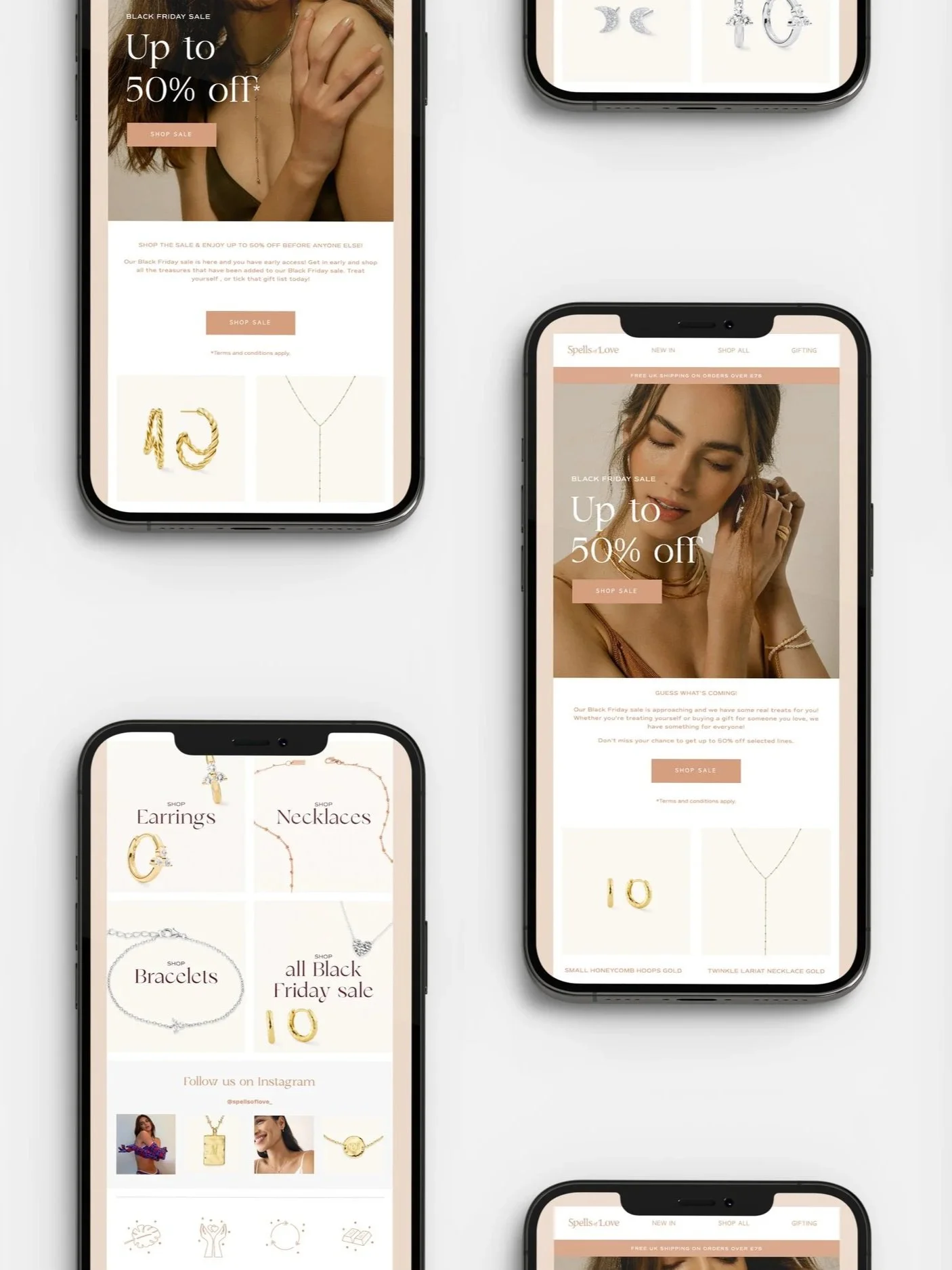
Stronger visual hierarchy
More intentional product presentation
Clearer customer pathways
Improved CTA placement
Better balance between editorial content and commerce
More consistent user experience across campaigns
Every template was designed with both brand building and commercial performance in mind. The objective was not to maximise clicks at the expense of the brand.
The objective was to create emails that felt unmistakably premium while making it easier for customers to discover and purchase products.
What Happened
Results achieved during rollout
37% increase in unique opens
32% increase in unique clickers
22% increase in total clicks
49% increase in page views
33% increase in reported ROI
117% increase in new subscribers
Why We Believe Performance Improved Over Time
Email design systems rarely deliver their full value immediately. The greatest impact often comes as both teams and customers become familiar with a more structured experience.
Month One
Establishing Consistency
The first phase focused on introducing a more consistent design language and content hierarchy.
Customers were presented with a clearer visual experience, but engagement behaviour remained broadly similar as the new framework was introduced.
At this stage, the primary benefit was consistency.
Month Two
Improved Execution
As marketing and design teams became more familiar with the framework, campaign planning became more structured.
Briefs became clearer, content became more focused, and product presentation became more intentional.
The system reduced decision fatigue and enabled teams to execute campaigns more efficiently.
Month Three
System Adoption
By the third phase, the framework had become embedded within the team’s workflow.
Campaign categories were clearly understood. Briefing and design execution became more efficient.
Customers were repeatedly exposed to familiar navigation patterns, hierarchy structures and calls to action.
At this point, engagement improvements became more visible across the programme, with multiple campaigns significantly outperforming historic benchmarks and several campaigns exceeding 8–10% click-through rates.
The Results
Following implementation, engagement metrics strengthened as the system became embedded into the marketing programme.
We created an Email Design System that improved engagement, accelerated onboarding and helped generate a 49% increase in page views and 33% increase in ROI during rollout.
Month-on-month click performance increased significantly throughout the measured period, with several campaigns achieving substantially higher engagement than historic benchmarks.
Particularly notable were:
Consistent improvement in click-through rates over time
Significant increases in total click volume
Higher engagement across multiple campaign categories
Strong performance from structured campaign formats such as Collection Launches and Product Features
Importantly, these improvements were achieved without sacrificing brand experience.
The system created a framework that supported both short-term commercial performance and long-term brand equity.
The Commercial Impact
While engagement metrics are valuable, the biggest outcome was operational.
The Email Design System enabled:
Faster campaign production
Better cross-functional briefing
More consistent campaign quality
Reduced design dependency
Faster onboarding of new team members
Improved planning and forecasting
Greater ability to react to trading opportunities
Instead of every campaign beginning with a blank page, the business gained a scalable system for email marketing.
For growing eCommerce brands, this is often where the greatest return comes from; not simply better-looking emails, but a better operating system behind them.
Services Delivered
Looking to improve email performance while reducing production bottlenecks?
Our Email Design Systems help growing consumer brands create campaigns faster, improve consistency and build stronger customer experiences through every send.