Why the Same Product Could Sell for £10 or £100
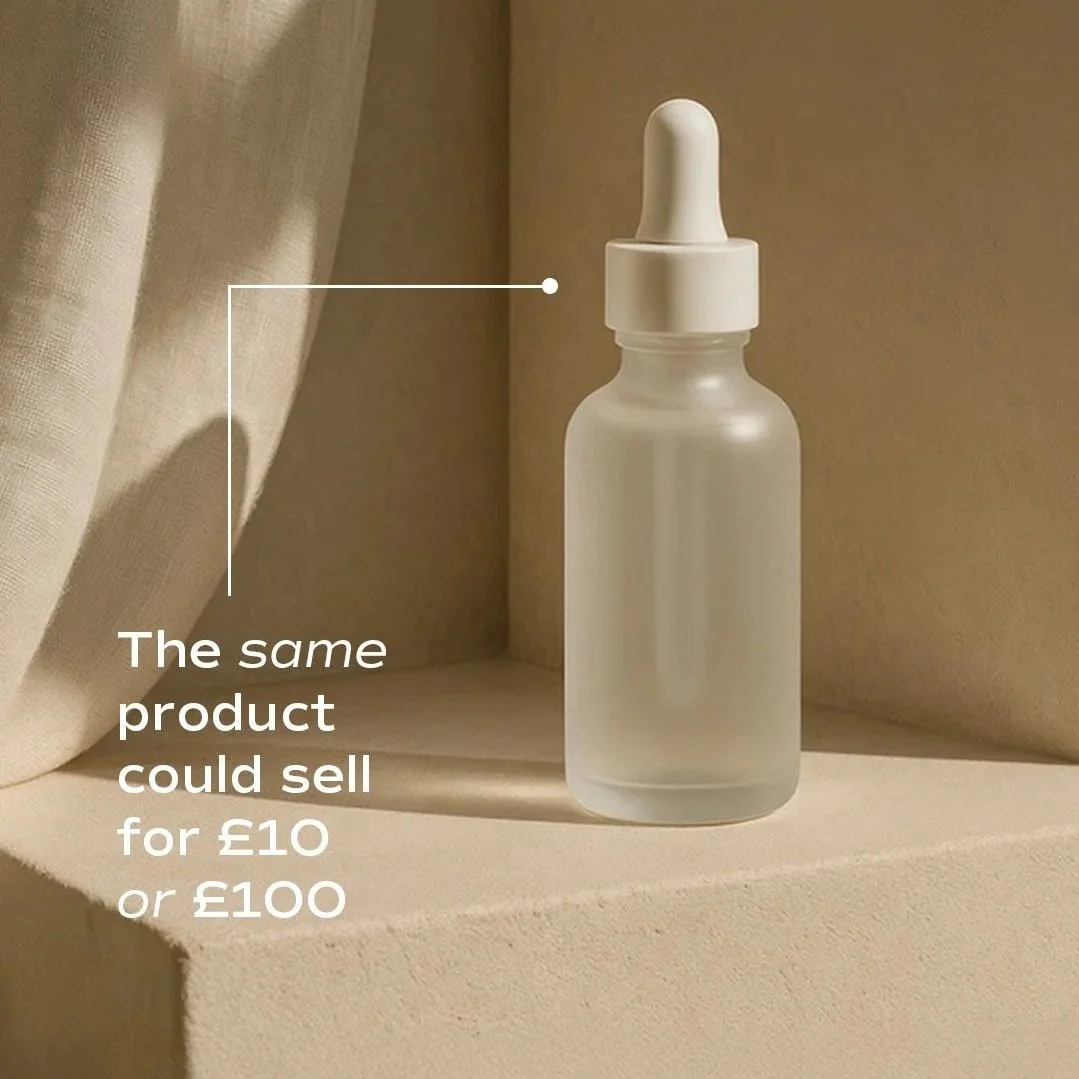
Many products that appear dramatically different in price are, in reality, remarkably similar in composition.
Consider skincare. Two serums may contain comparable ingredients, perform similar functions and even be manufactured in similar facilities. Yet one sells comfortably for £10 while another sells for £100.
What explains the difference?
Perception.
Got a project in mind and want to get in touch?
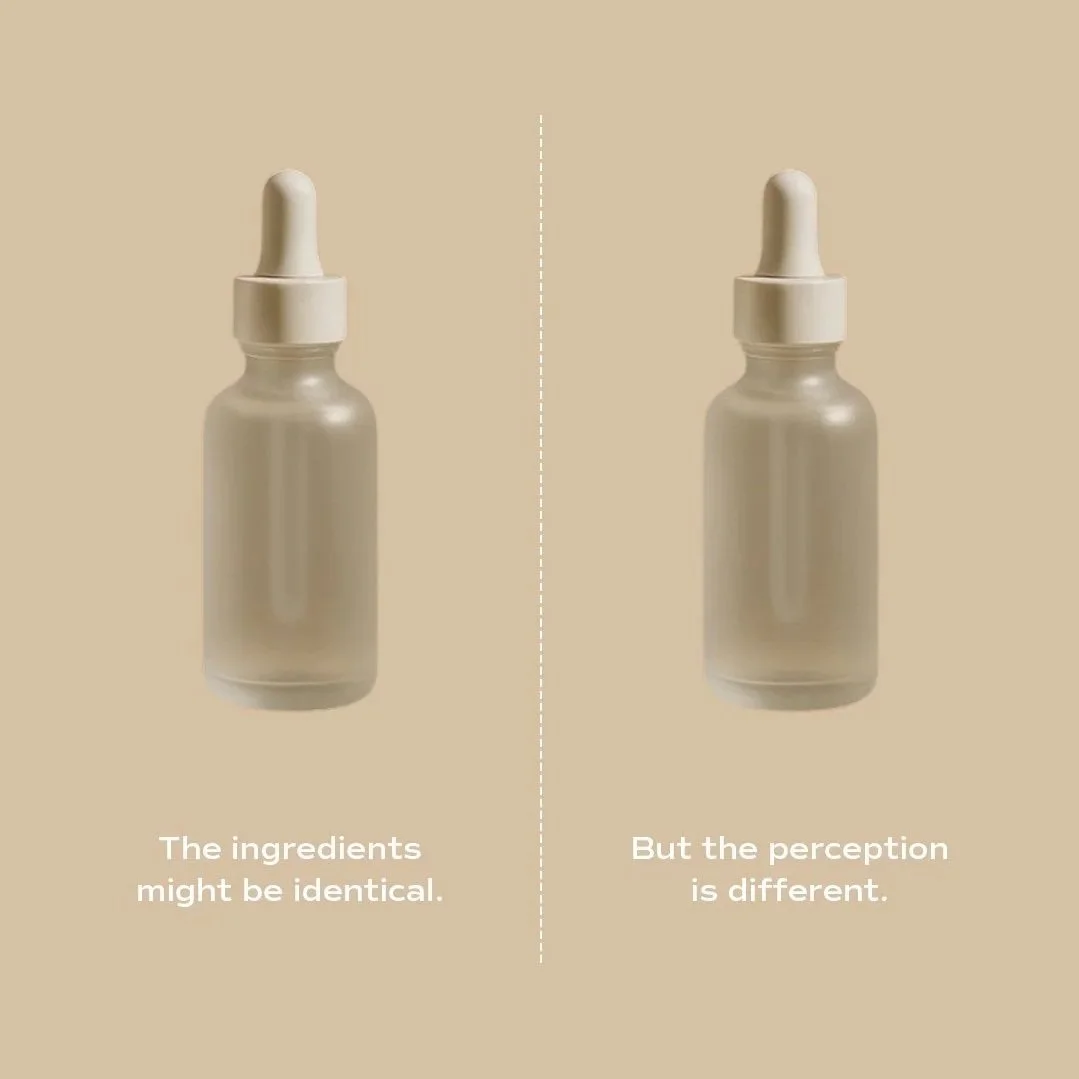
Consumers rarely evaluate products purely through rational analysis. Instead, they interpret signals that help them decide whether something feels trustworthy, premium or desirable.
These signals are created through brand strategy and design.
Behavioural economist Rory Sutherland often highlights that perceived value frequently outweighs objective value in decision making. People do not buy products simply for their functional characteristics. They buy reassurance, status, identity and emotional meaning.
Brand design is what communicates those signals.
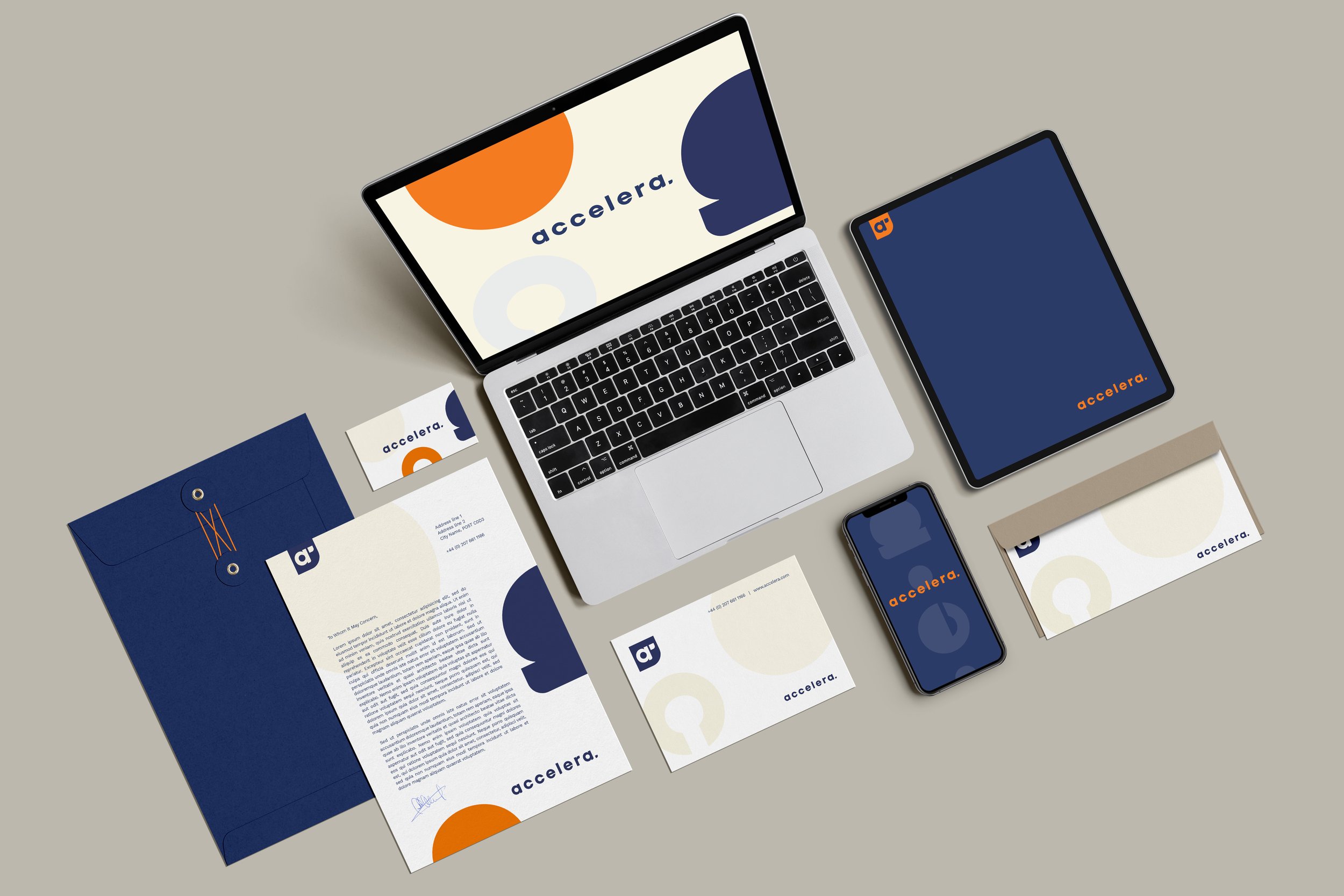
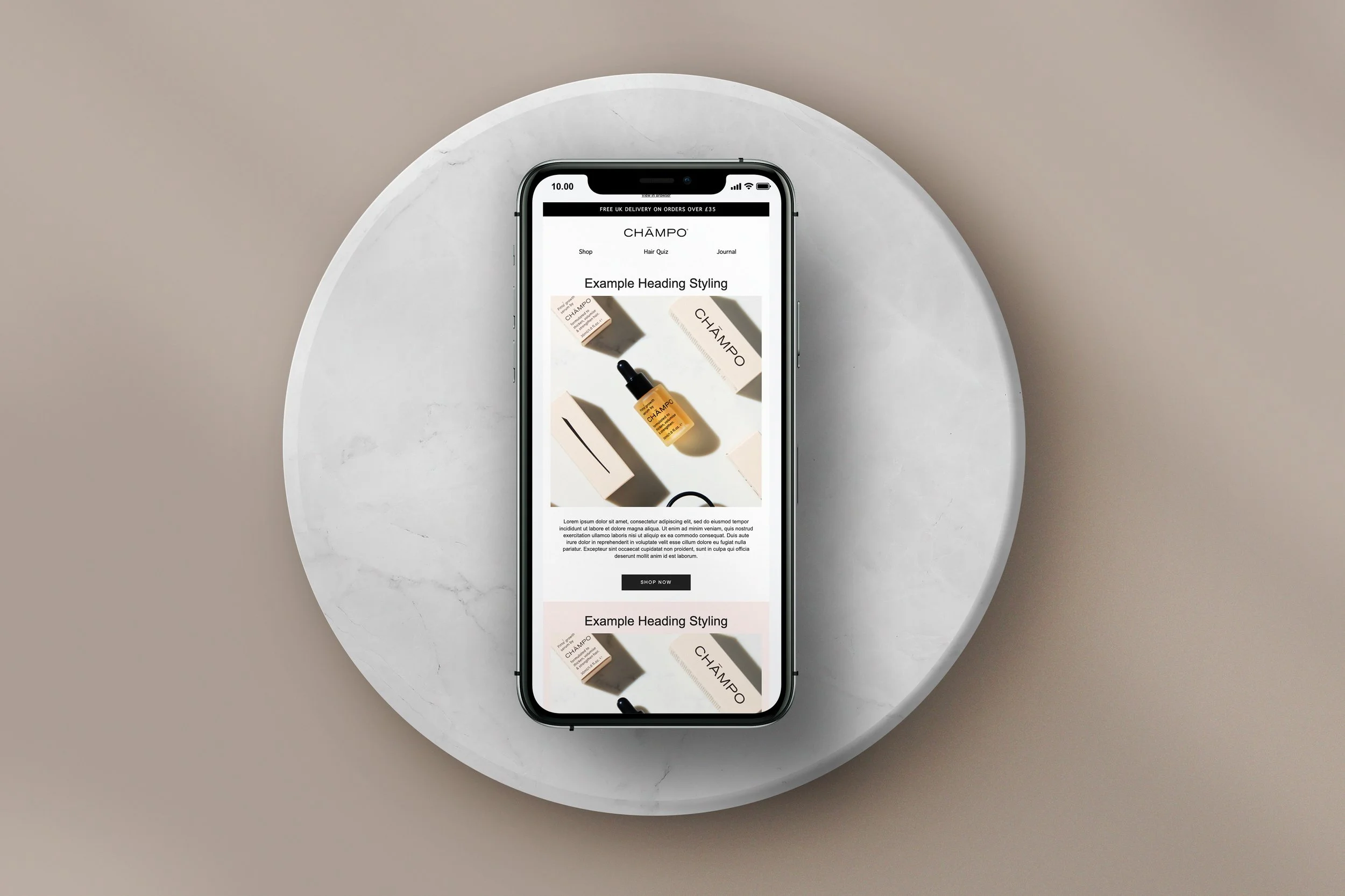
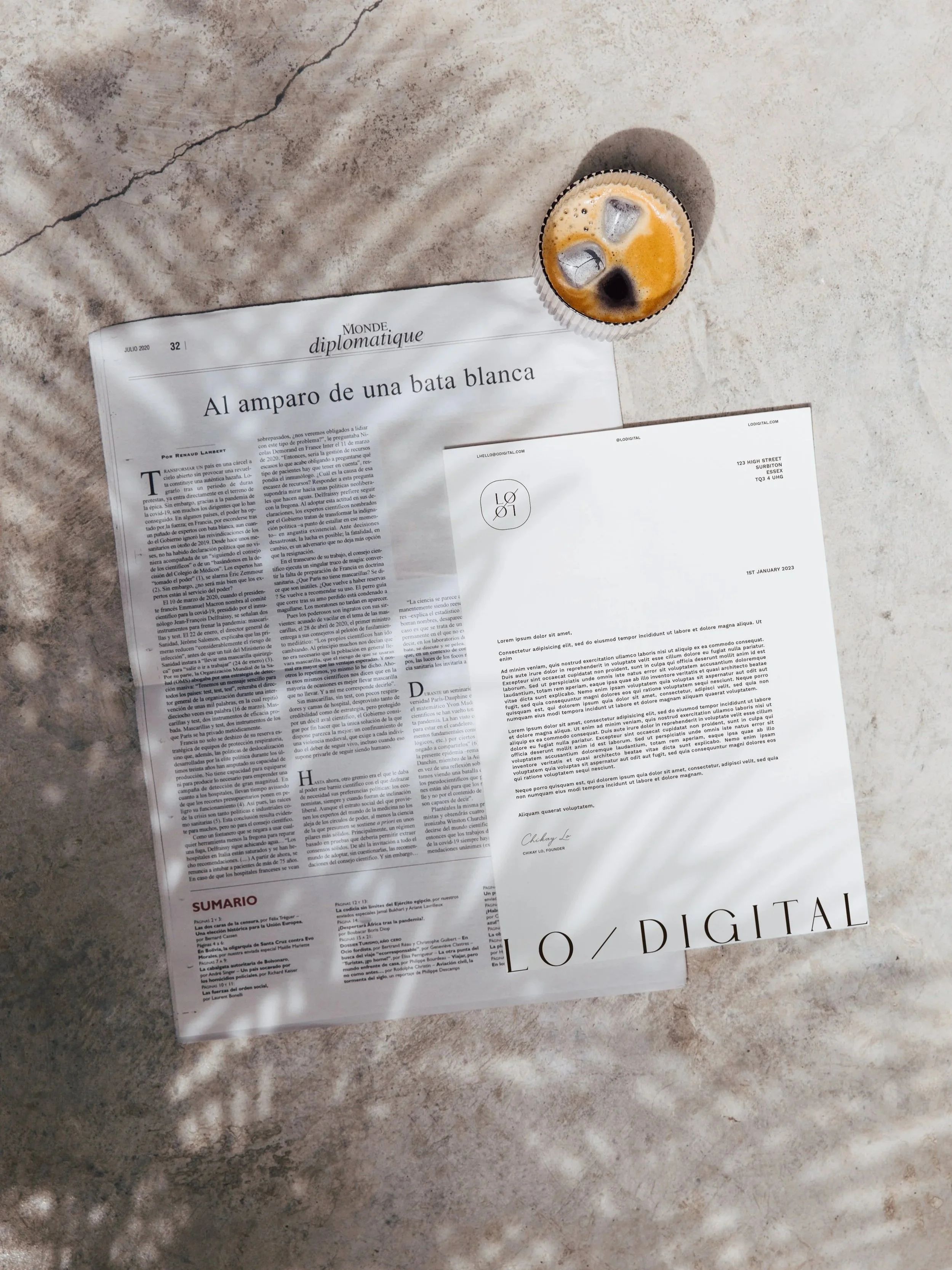
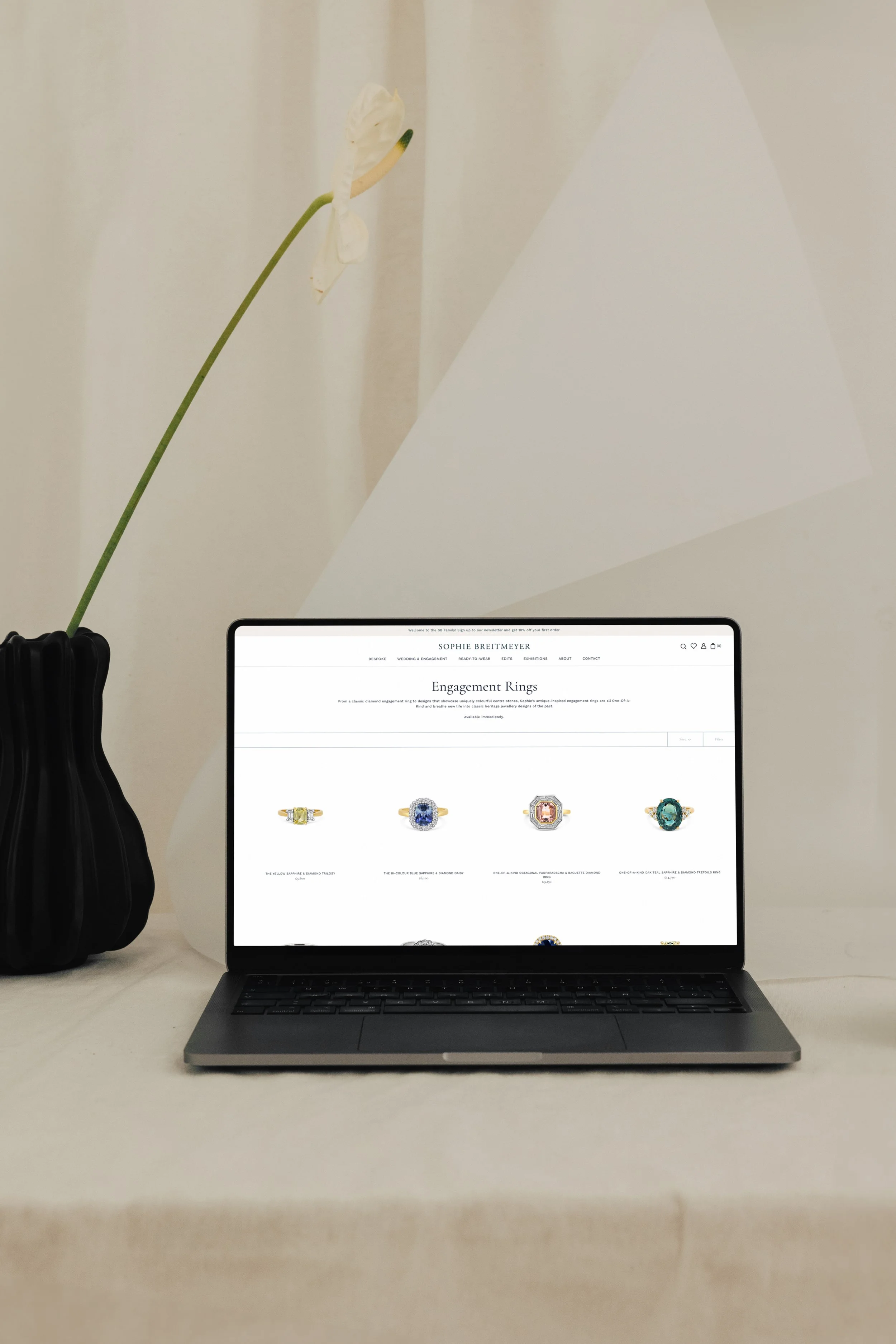
Typography hierarchy can communicate authority or uncertainty. Colour palettes influence emotional tone. Packaging design shapes expectations before the product is even used. Website design affects how confidently a customer navigates the purchasing process.
When these signals align, the product feels coherent and the price feels justified.
When they do not, customers hesitate.
This is particularly important in fashion, beauty and lifestyle brands where emotional perception is deeply intertwined with purchasing decisions.
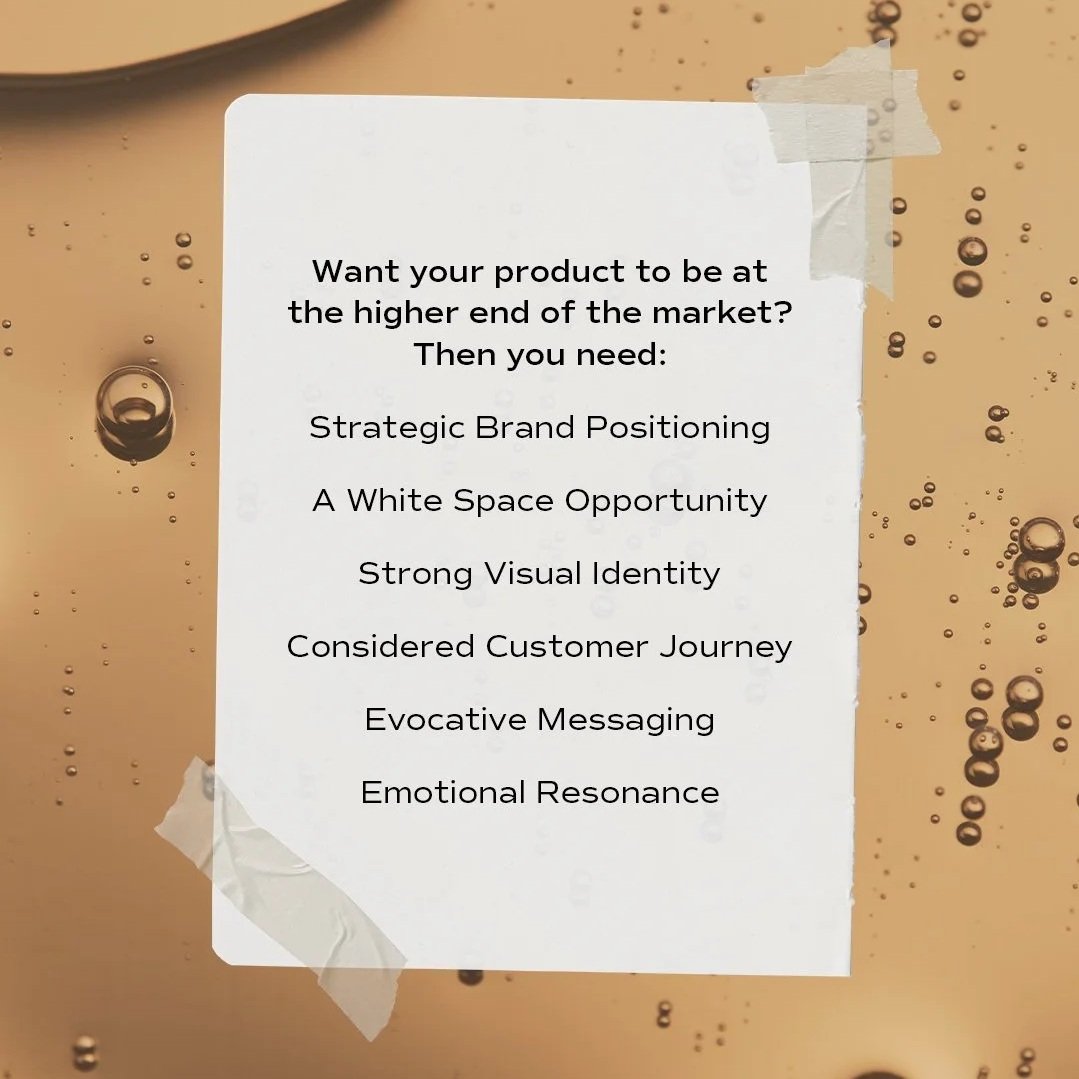
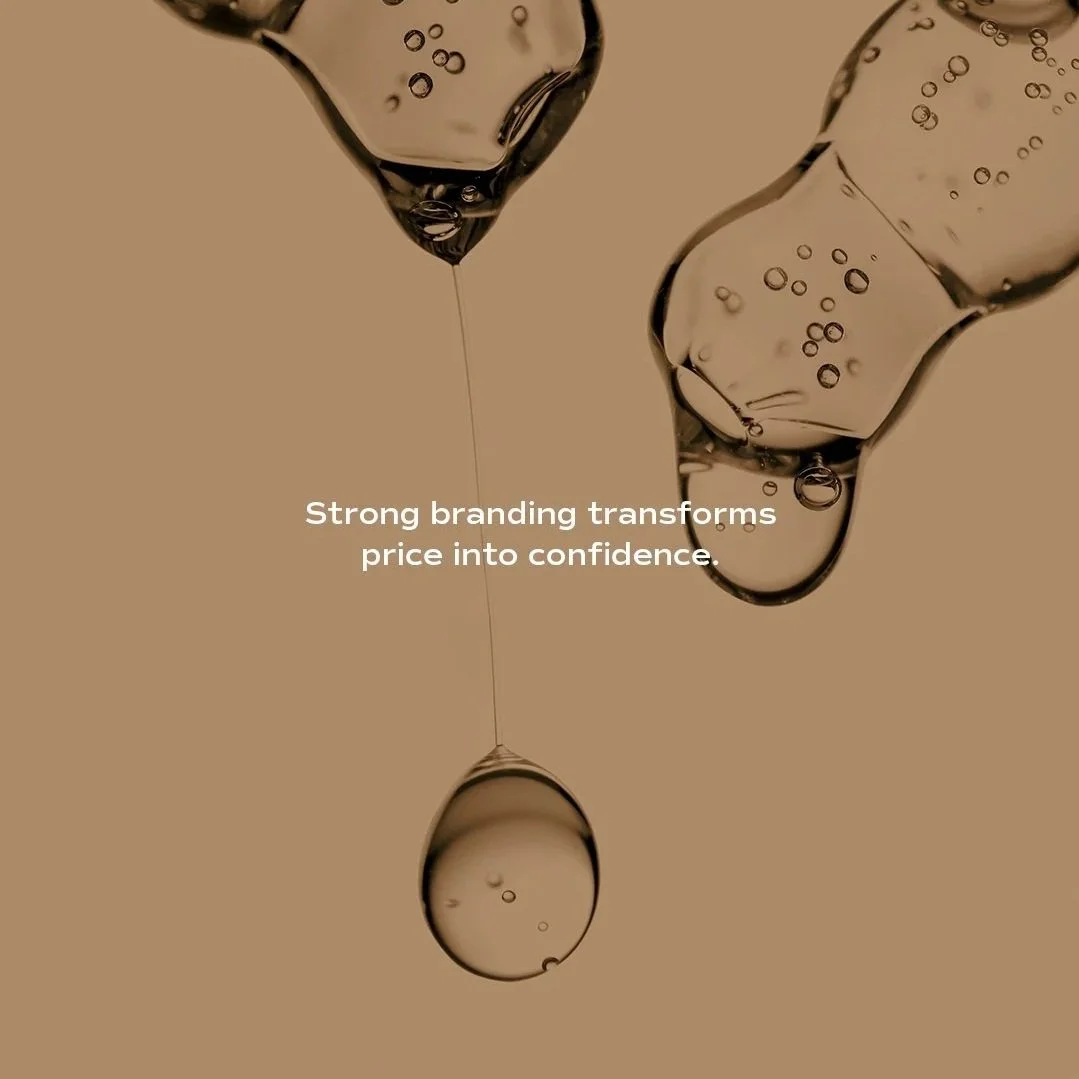
A brand that understands its positioning communicates it consistently across every touchpoint. Packaging, social media, eCommerce design and messaging reinforce the same narrative. Over time, this consistency strengthens perceived value.
The result is not just aesthetic improvement. It is commercial impact.
Customers trust the brand more easily. Marketing becomes more effective because the brand signals are clear. Pricing feels natural rather than aspirational.
The product itself may not have changed dramatically. The perception surrounding it has.
And perception is one of the most powerful tools a brand can design.
If you want to improve your brand perception this year, we’d love to talk. Apply below!