Brand Design and Pricing Power - Why Your Brand Is the Reason Customers Hesitate at Your Price
Price resistance is one of the most common problems founder-led brands face. And it's almost always diagnosed wrong.
The instinct is to adjust the price, add a discount, or introduce a cheaper entry option. In most cases, the better question is whether the brand is making a convincing enough case for the quality.


Price is a perception problem.
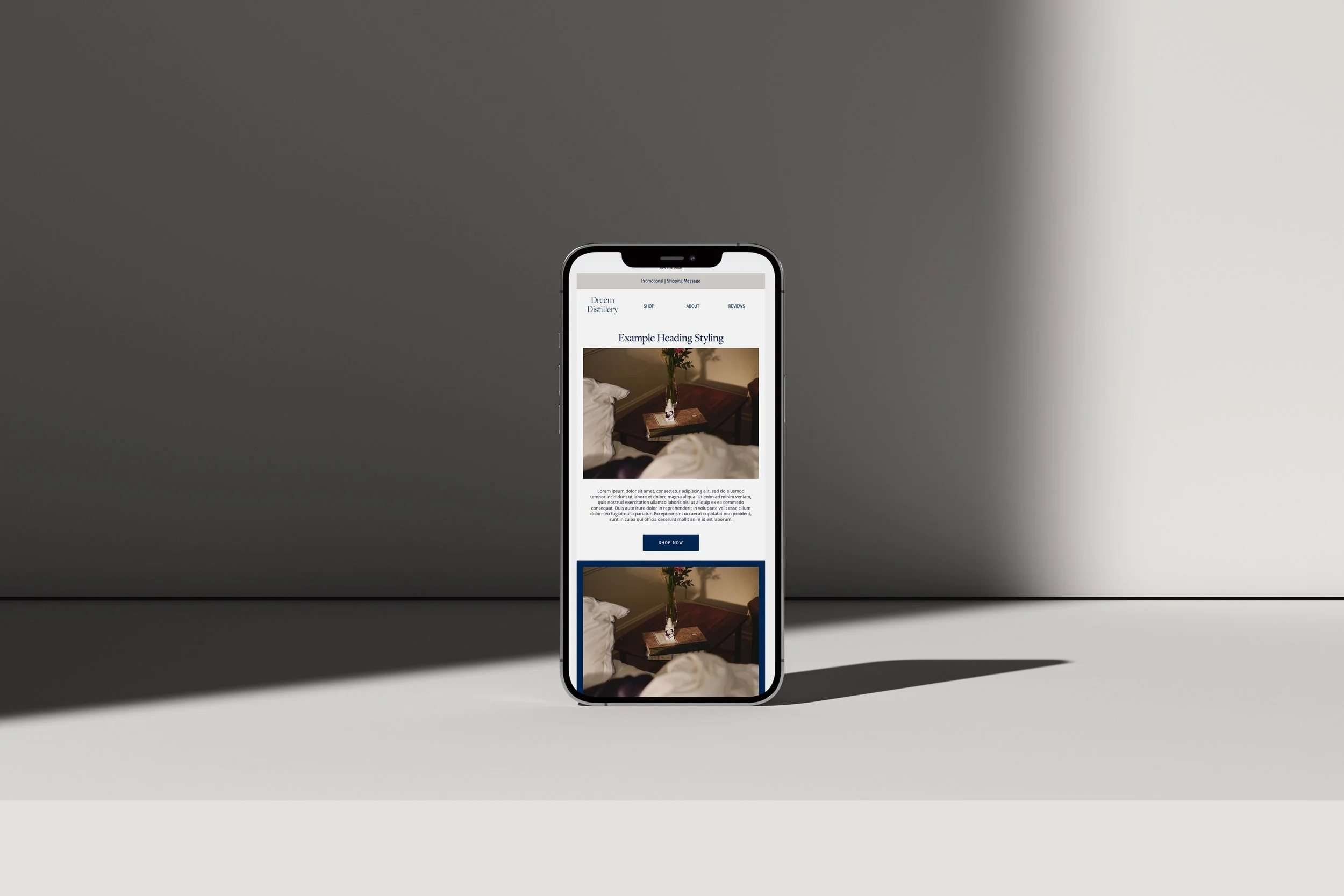
A customer doesn't experience your price in isolation. They experience it alongside everything else the brand communicates. The visual quality of the website, the feel of the packaging, the coherence of the social grid, the typography on the product label. These signals, taken together, set a price expectation before the customer ever sees the number.
If those signals communicate quality — restraint, consistency, considered detail — the price feels right. If they communicate inconsistency or entry-level production values, even a fair price can feel expensive.
This is why two products with identical quality and identical prices can have dramatically different conversion rates. The price isn't the variable. The brand is.


The signals that hold a price point:
Typography.
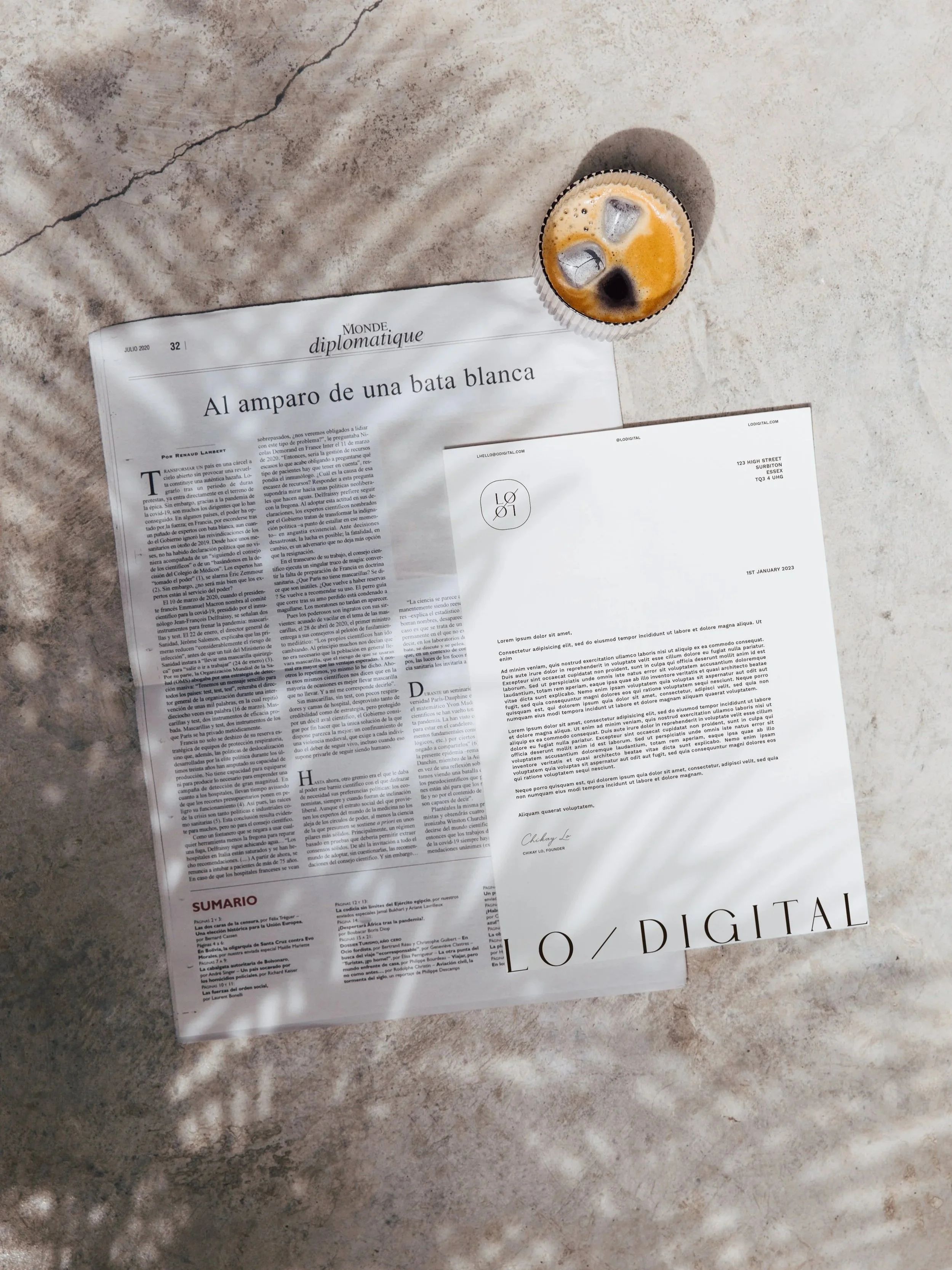
The weight, spacing and quality of typographic decisions communicate brand positioning before copy is read. Thin serifs with generous tracking say considered and elevated. Heavy rounded display fonts say approachable and accessible. Neither is wrong, but they speak to different price expectations.
Photography consistency.
Mixed quality creates doubt — some professional, some amateur, stock mixed with original. Consistent, high-quality photography says we hold the same standard everywhere.
Visual restraint.
Premium brands don't fill every space. The confidence to leave things out communicates that the product doesn't need to oversell itself.
Packaging finish.
For physical consumer products, the first tactile experience of the brand is the packaging. If the brand communicates premium digitally but the packaging communicates basic, the dissonance erodes trust at the most commercially critical moment.
Cross-channel consistency.
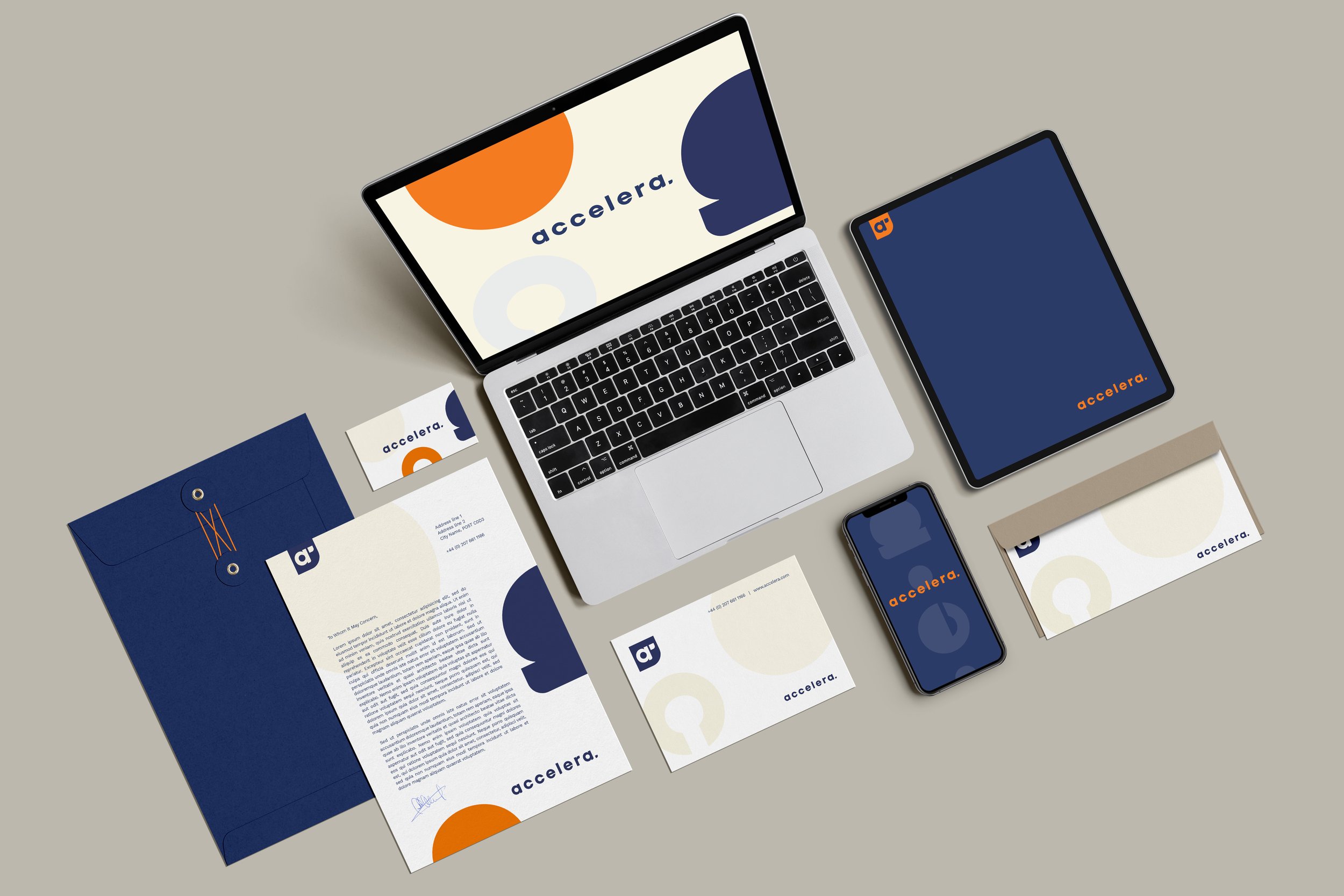
If the website feels different from the social grid, which feels different from the email, the brand reads as unfinished. Unfinished brands don't hold premium prices.


What to do if your brand isn't holding your price point
Start with diagnosis. Before a rebrand or a new campaign, understand specifically which signals are creating the price doubt. Is it the photography? The typography? The website hierarchy?
The Brand Authority Audit reviews your brand across every commercial touchpoint and identifies specifically what's holding back the trust and conversion signals that support your price point. It's the lowest-risk starting point, because it tells you what to fix and in what order before you commit to a full creative solution.