How Customers Decide Whether to Trust a Brand - The Psychology of First Impressions
Research consistently shows that customers form initial trust judgements about a brand in under 100 milliseconds. Not through conscious evaluation of the product, price, or reviews but through an automatic, largely subconscious reading of visual and sensory signals. This post explains the five signals that drive those judgements, why they work at a neurological level, and what commercial design does to optimise them.
Got a project in mind and want to get in touch?
Why Trust is Visual
Human beings process visual information faster than any other type. In evolutionary terms, the ability to rapidly assess whether something is trustworthy from a face, an environment, or a set of signals is an ancient survival mechanism. We apply the same cognitive shortcuts to brands.
When a customer encounters a brand for the first time, whether on a website, in a social feed, on a shelf, or in a piece of packaging, they are reading dozens of design signals simultaneously. Typography, colour, image quality, layout, consistency, and visual hierarchy. These signals are processed in parallel and synthesised into a feeling: this is trustworthy, or this isn't.
That feeling precedes any rational evaluation. It determines whether the customer stays long enough to read the copy and assess the product, or frankly, doesn’t stay.

Visual Coherence
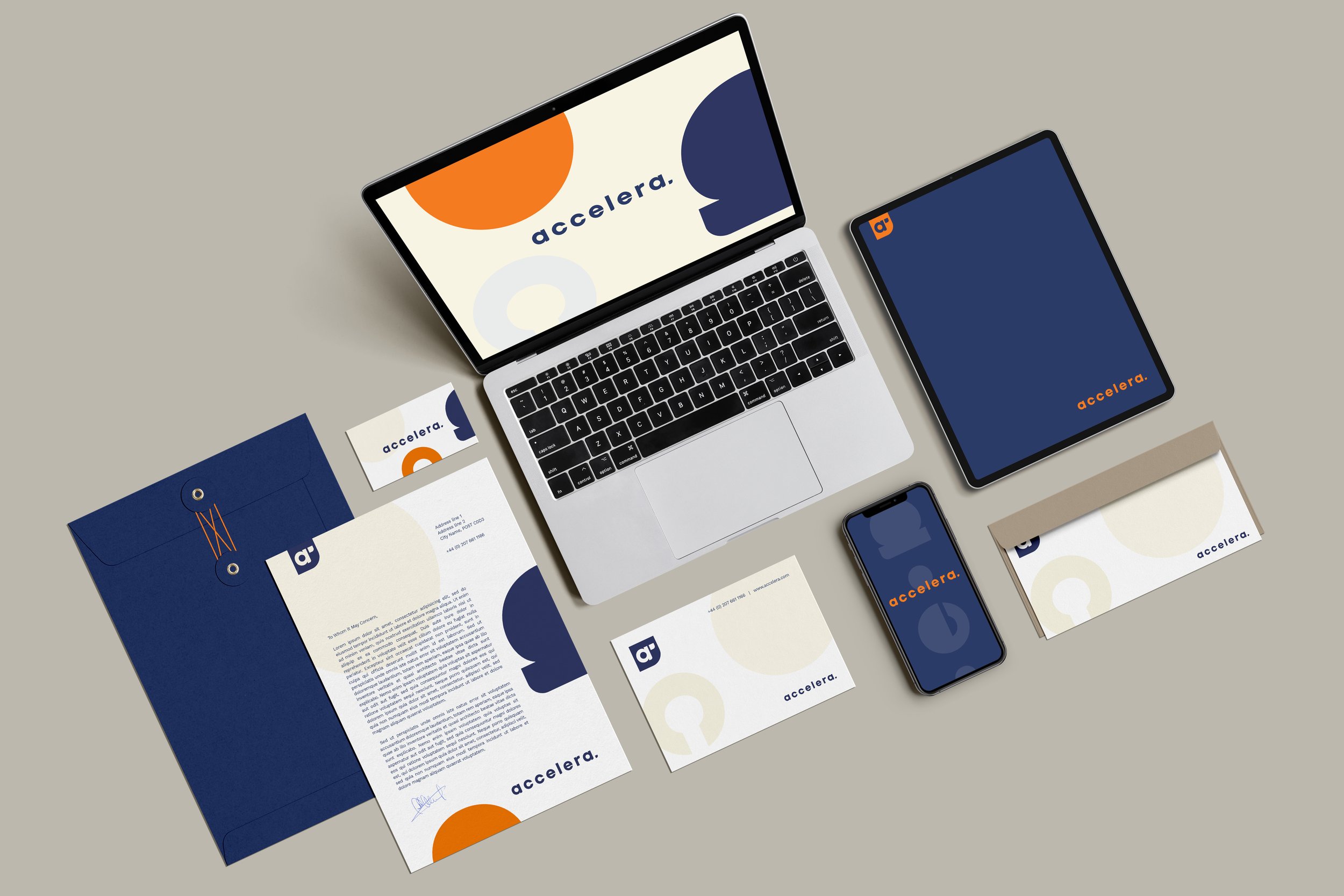
Coherence is the degree to which all elements of a brand look like they belong to the same family. When a logo style, colour palette, typography system, and photography approach all share an underlying logic, customers perceive the brand as controlled and intentional. Inconsistency creates cognitive friction. The customer senses something is off, even if they can't identify what. That friction translates directly into reduced trust and reduced conversion.

Visual Hierarchy
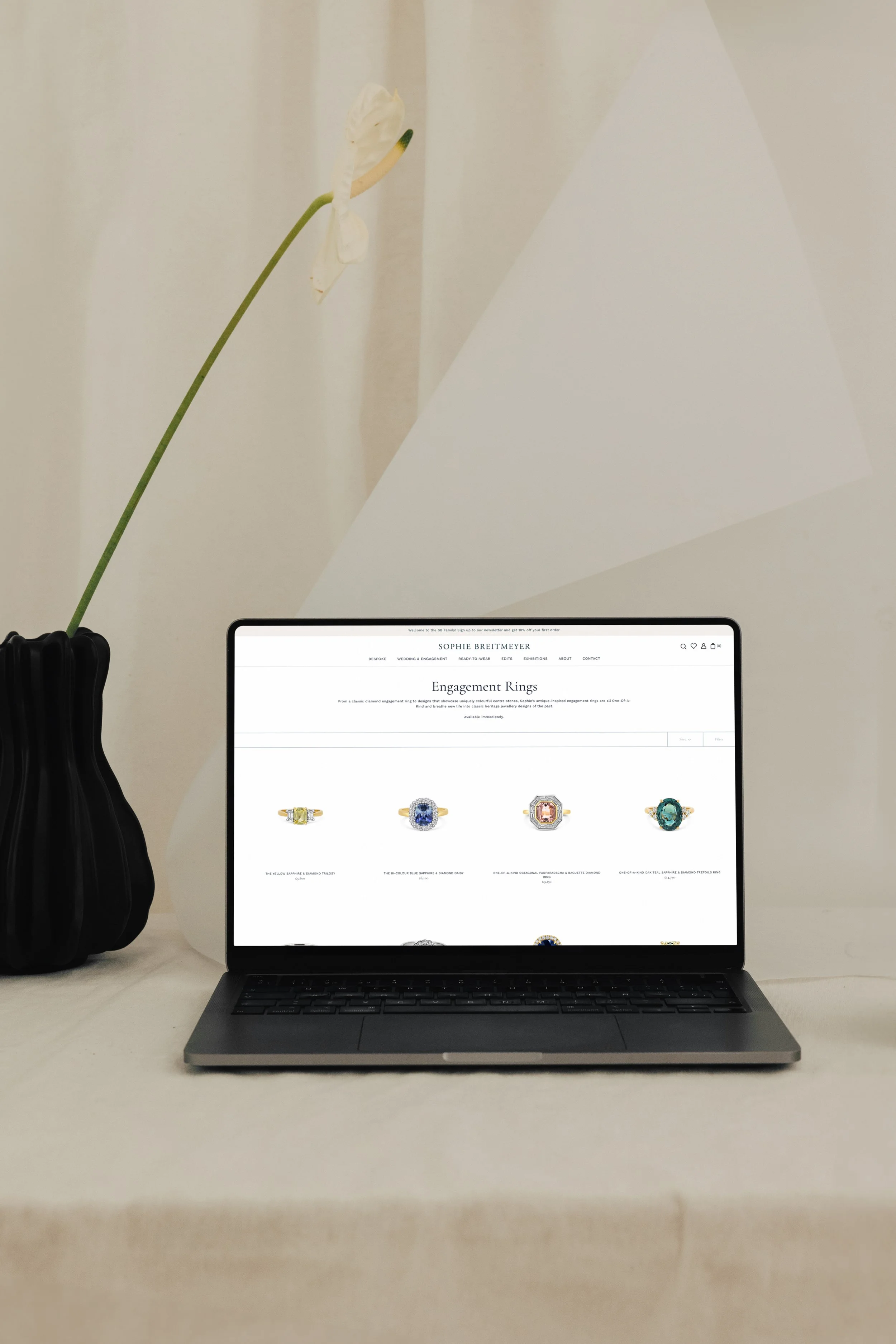
Hierarchy is about making it easy for the eye to navigate. Premium brands, almost universally, have clear visual hierarchies: the most important element is visually dominant, secondary information supports it, and tertiary content is subordinate. When hierarchy is absent, when everything competes for attention at the same visual weight, the experience is exhausting.
Exhausted customers don't buy.
Typography
Typeface selection and typographic treatment are among the most powerful and most underestimated commercial design decisions.
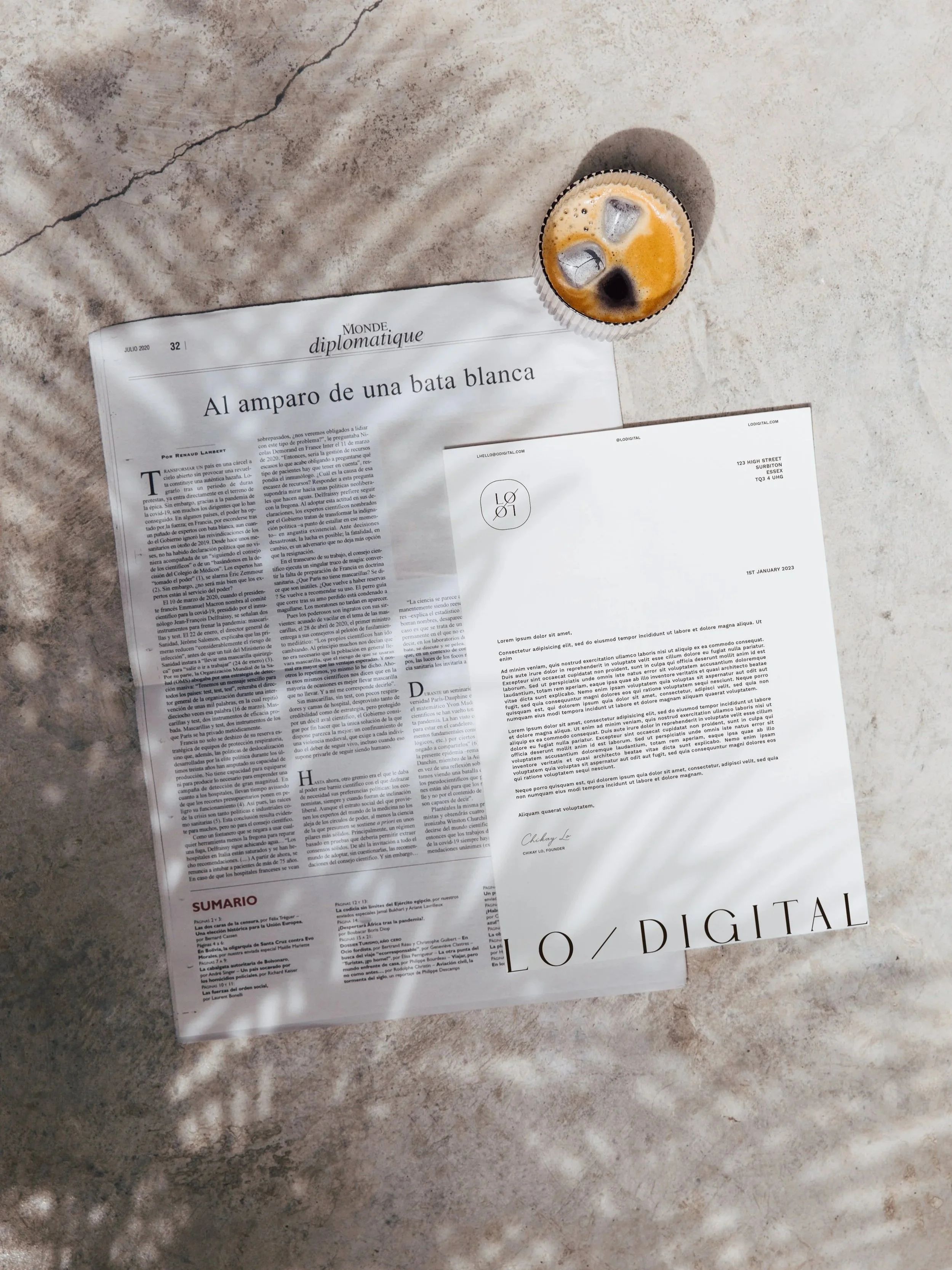
Customers read the quality of typography before they read the words it spells. A well-chosen typeface, set with appropriate spacing and hierarchy, communicates care and quality. Poor typographic decisions with inconsistent sizes, inappropriate weights, tight or chaotic spacing communicate carelessness. And carelessness, in a consumer context, says: we didn't think carefully about this product either.
Chaotic use of type (and colour, whilst we are at it!) is something we see most often when brands come to us with DIY branding.

Photography
Photography is the fastest trust signal in consumer-facing categories. High-quality, consistent, original photography signals investment and intentionality. Mixed quality (stock images alongside original photography), inconsistent colour treatment, varying framing styles creates a trust gap. The signal customers read is not 'this is a small brand' but 'this brand hasn't decided what it is yet.' Undecided brands feel risky to buy from.

Technical Quality
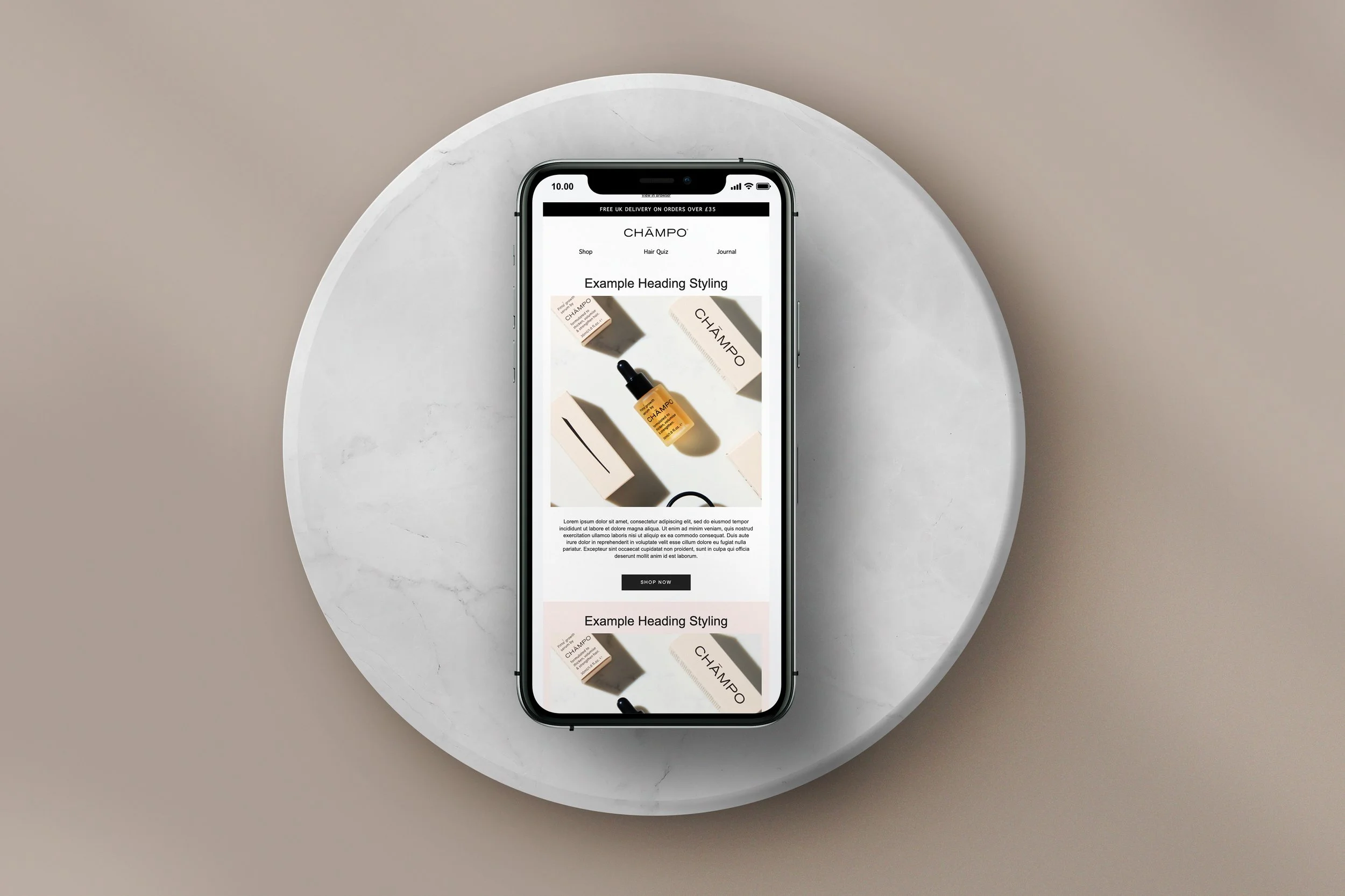
Load speed, layout precision, and technical finish are part of the trust signal. Slow pages, broken elements, and misaligned layouts communicate that the experience hasn't been completed. In consumer psychology, an unfinished experience correlates with unreliability. Customers don't consciously think 'this site is slow.' They feel: this doesn't feel finished. Unfinished doesn't feel safe.
The good news: every one of these signals is designable. They are not accidents of talent or budget. They are the outcomes of considered, commercially-intentional design decisions. Understanding how your brand currently performs on each of them and knowing which signals are costing you the most trust and conversion — is exactly what the Brand Authority Audit reveals.