What a Fashion Brand Identity Actually Needs to Do and Why Most Get It Wrong
Who said a fashion brand has to look like every other clothing brand?
One of our favourite parts of brand building is taking a category people think they already understand and asking: what if we approached it differently? What if it spoke to the founder's true why?
Most fashion brands end up at one of two extremes. Super polished, intimidating (think moody models and crisp clean aesthetic) and aspirational in a way that's hard to actually imagine yourself in. Or so playful and youthful that they lose fashion authority altogether. The space between those two is where the most commercially interesting brands live.
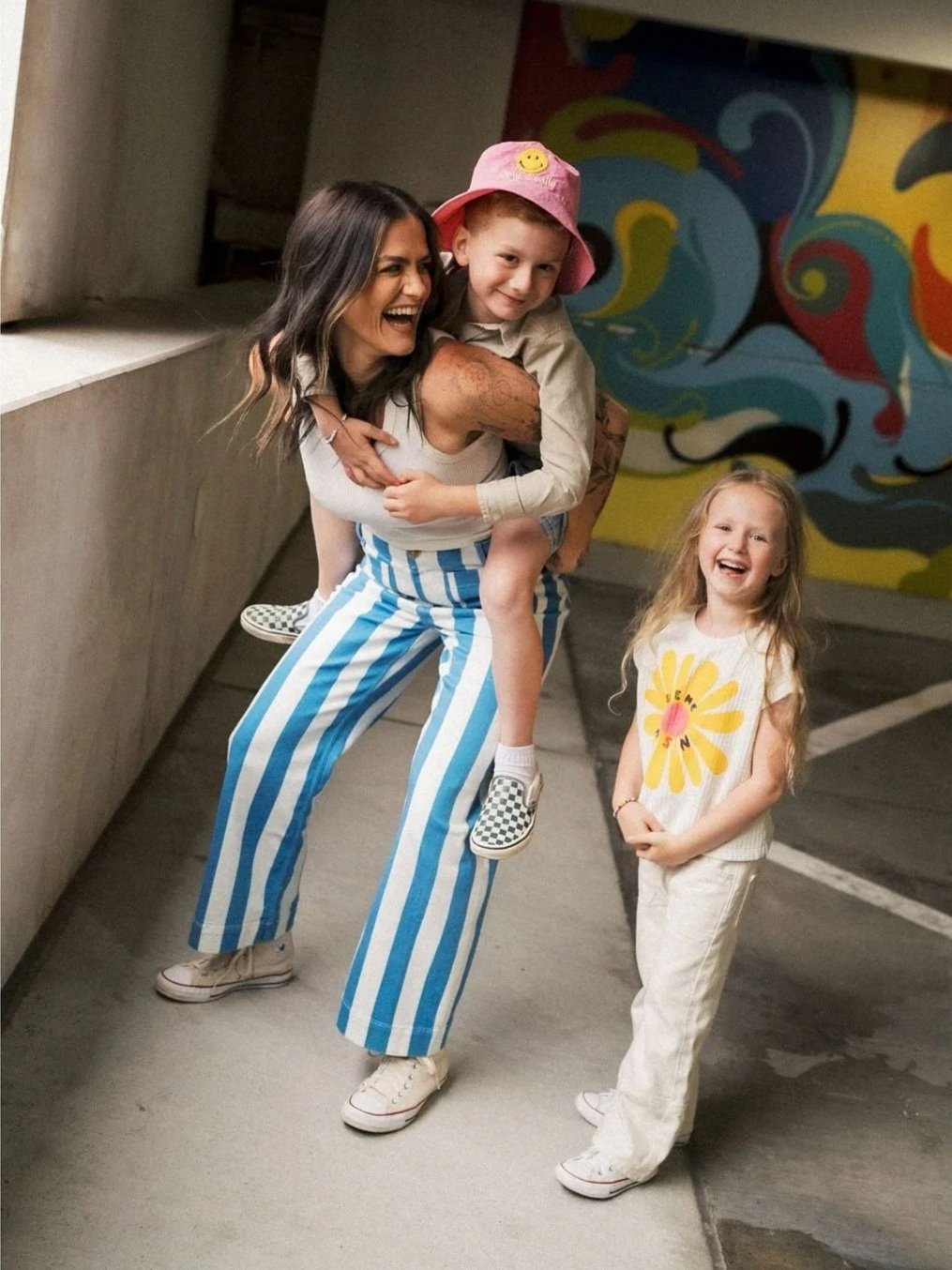
Images from Pinterest
Where we start:
with the customer, not the logo.
Instead of starting with 'what should the logo look like?', we start with the customer.
What should they feel when they discover this brand for the first time? What would make them think 'that's so me' and immediately add to basket? What would make this feel like the easy choice they keep coming back to?
When those questions are answered specifically with real detail ad no abstract fluff, the world starts to build itself. The brand becomes the obvious answer to a specific set of customer needs.
The brief
A clothing brand for those who want clothes that feel expressive, easy and confidence-building.
They aren’t trying to dress like everyone else and aren't interested in being told what is 'flattering', 'age appropriate' or 'on trend'. They want pieces that feel like them as though they belonged in their wardrobe already. The business needs to feel like somewhere they can return to again and again, not somewhere they have to rediscover themself every season.
That's a brief. Not a mood board request. A brief about what the brand needs to do for a specific person.
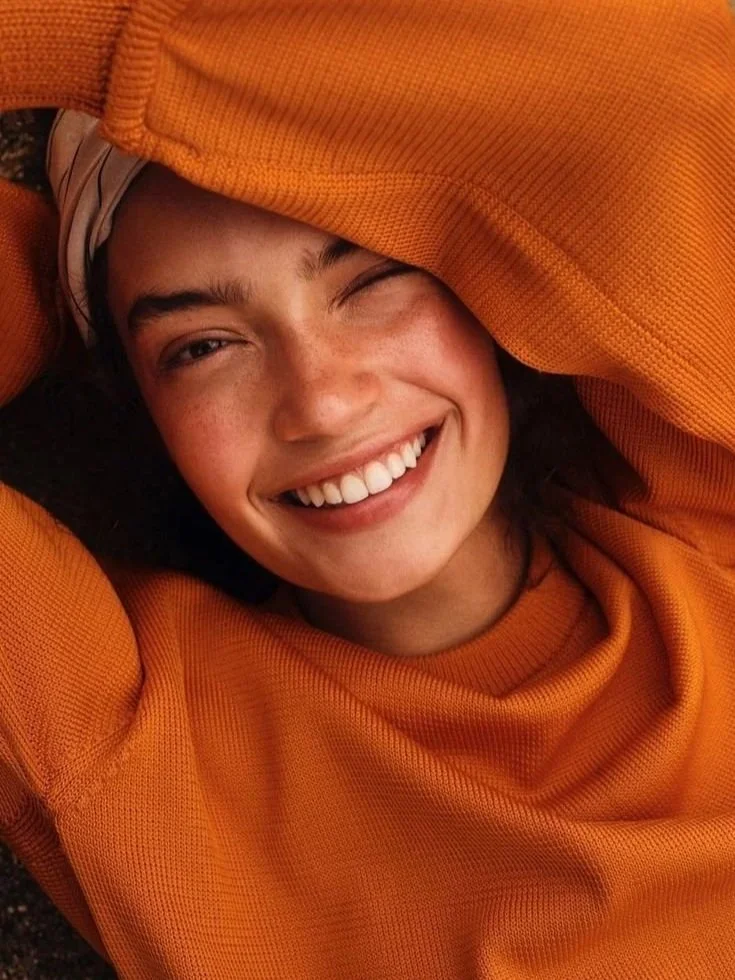
Images from Pinterest
The customer
They are busy…aren't we all? They have probably changed shape, style, priorities or confidence over the years. They knows what they like, but don’t always want to spend hours finding it.
They wants to feel recognised, understood, confident, optimistic and authentically themself.
The best response the brand could create? 'That's SO me.' Not 'I like this.' That specific feeling of recognition. That's the brief.
The direction
This brand sits in the middle of the two extremes. Fashion-led but warm. Confident but not exclusive. Joyful without becoming too youthful. Expressive without feeling chaotic.
The brand shouldn't manufacture confidence for their customer. It should remove friction around getting dressed. Help them trust the product and recognise themself. A sense of joy and belonging comes from the ease, the colour, the personality and the freedom around that.
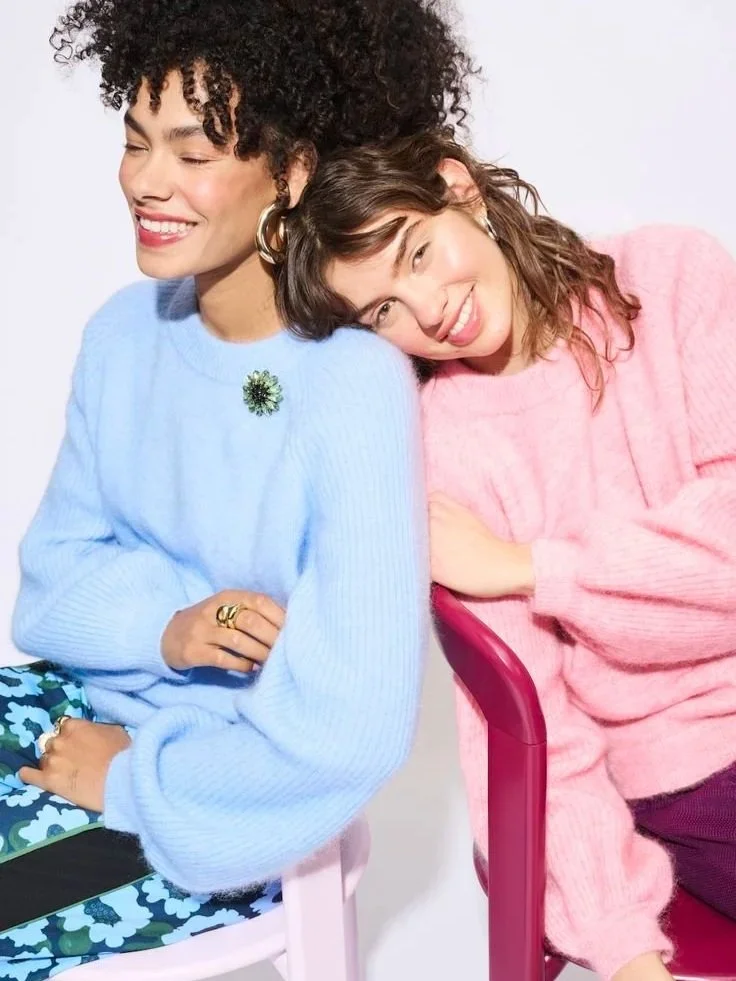
Images from Pinterest
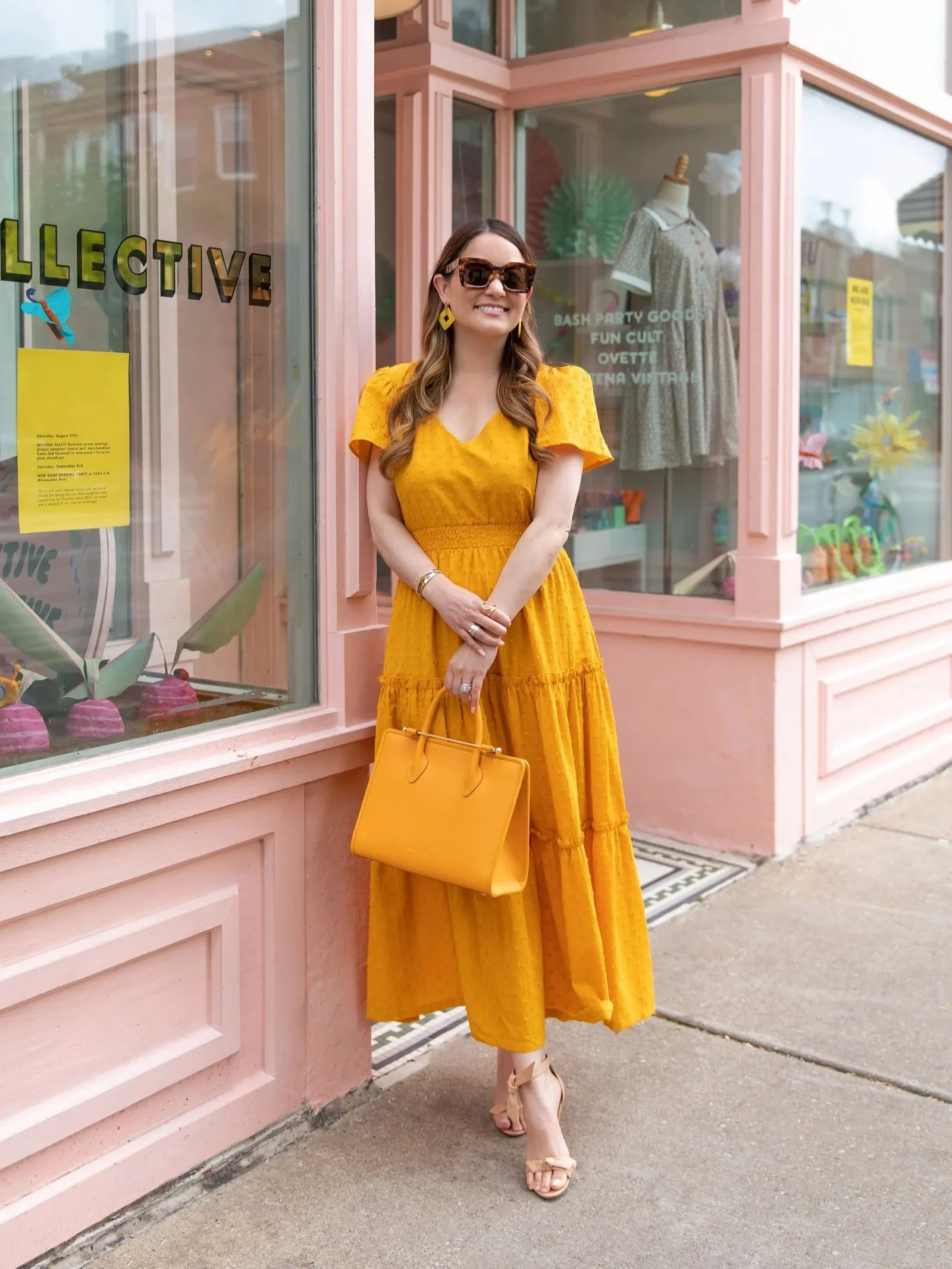
Images from Pinterest
The brand world
The brand feels like the friend with brilliant taste who never makes you feel underdressed. The café you always end up staying in too long. The shop where you pick something up and immediately think: DUH, I need this.
A mix of fashion, friendship, real life, movement, humour, optimism and a little bit of unexpectedness. Not a perfect world, a desirable one you can actually imagine yourself in.
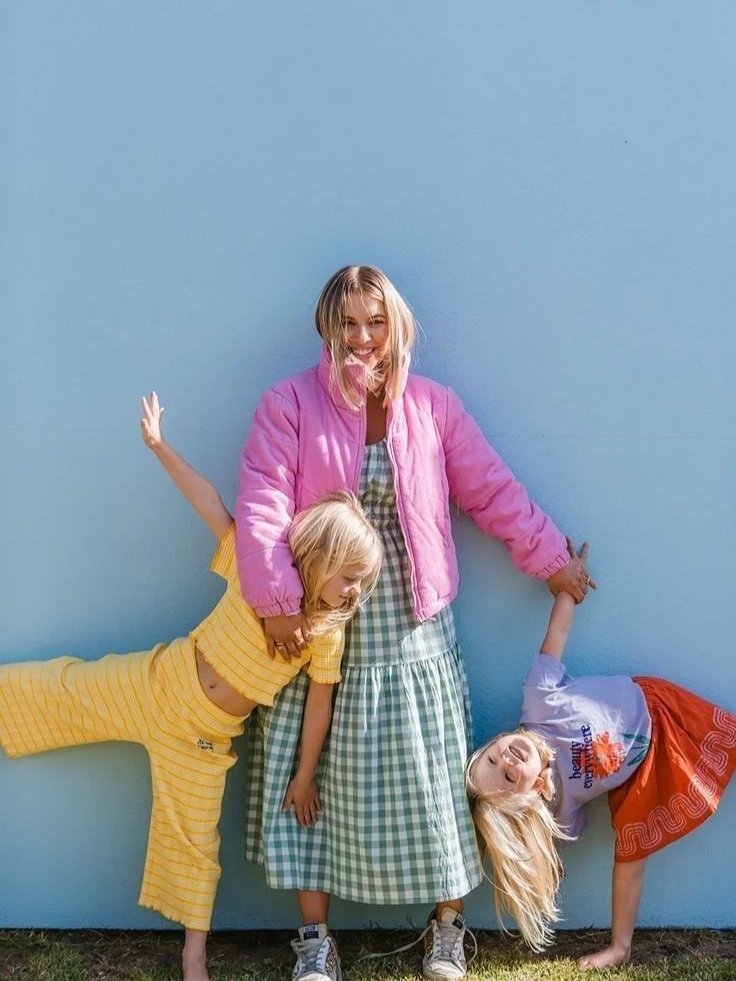
Images from Pinterest
What this means for imagery
No endless rows of perfectly posed models against blank backdrops. Bor-ingggg!
This brand shows people actually living in the clothes. Walking. Laughing. Eating. Travelling. Getting ready. Changing their mind mid-coffee order. Being with friends.
Some polished campaign photography, some looser everyday moments. UGC would be key here too. The product is important but the person should always feel more important than the styling.
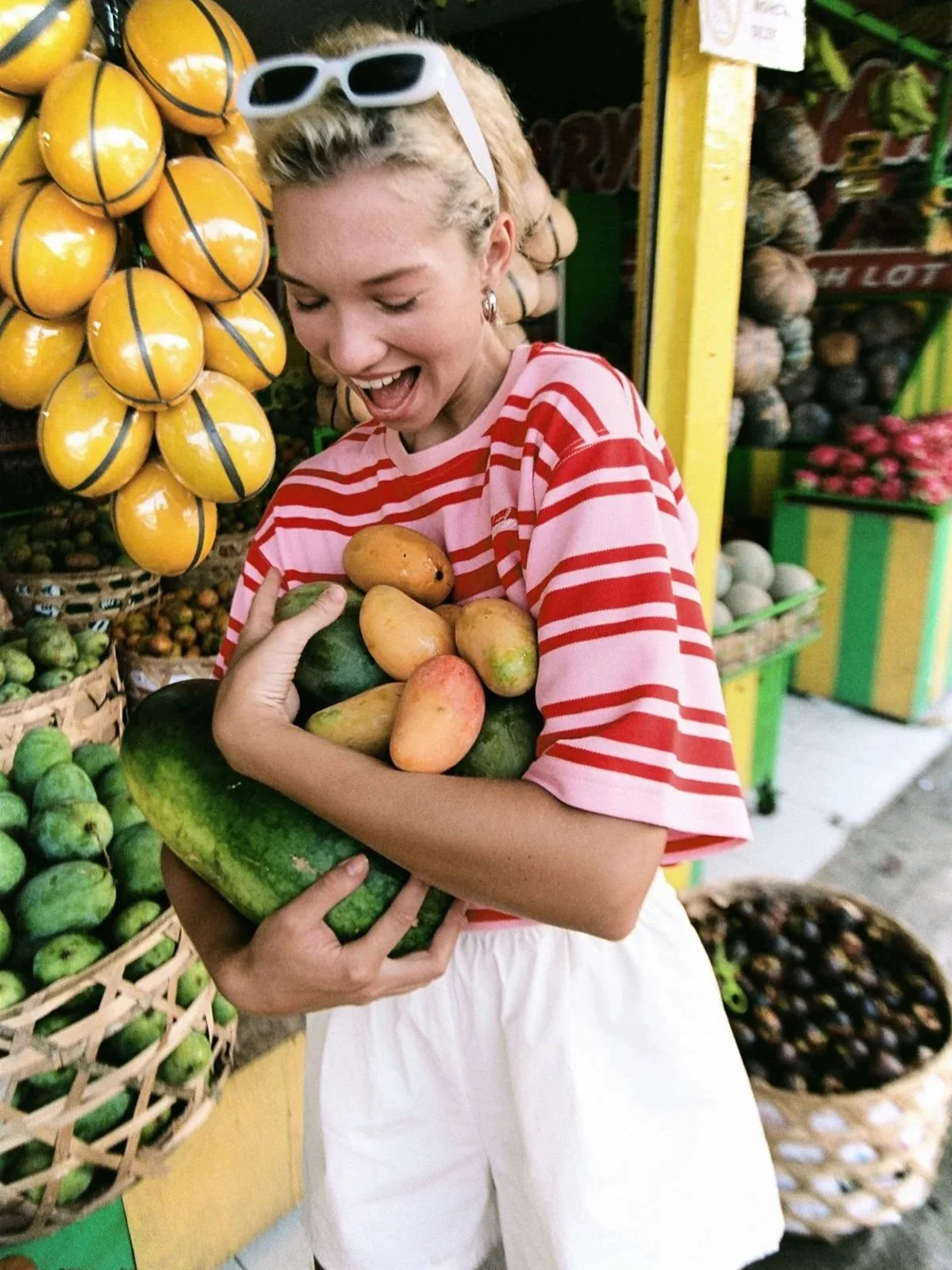
Images from Pinterest
What this means for the digital world
The website shouldn't feel like a catalogue with branding added on top. It should feel like entering the same world. Easy to browse, easy to understand, easy to recognise yourself in.
Editorial moments, real styling, customer stories and strong visual hierarchy help customers imagine the clothes in their own lives. The goal is not more decoration. It's more confidence in buying.
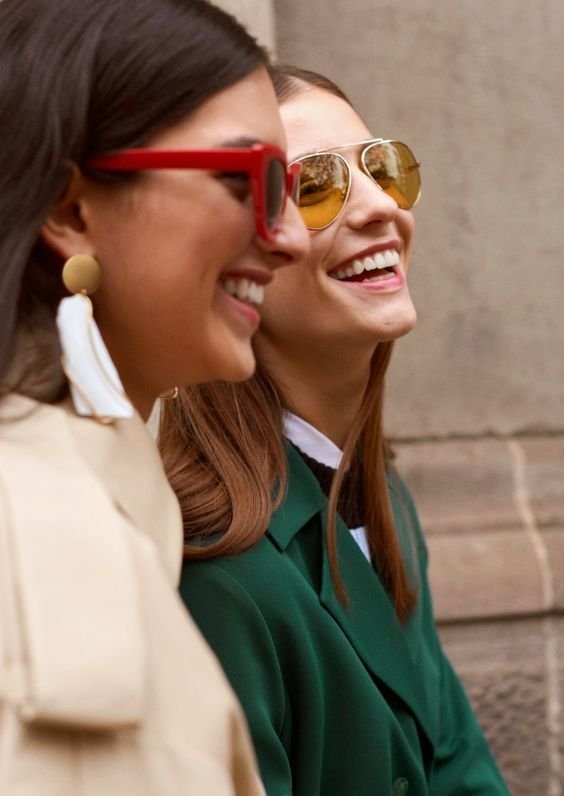
Images from Pinterest
Brand ideas that make it feel alive
The strongest brands create habits, not just campaigns:
THAT'S SO ME — stories around the instant recognition customers feel when something just clicks.
WORN YOUR WAY — different people styling the same piece differently.
DROPS OF JOY — curated seasonal pieces instead of constant product noise.
THE LOUNGE — customer-led stories, outfits and community moments.
THE EASY CHOICE — trusted pieces that come back in new colours and fabrications season after season.
Images from Pinterest
Why this matters commercially
A strong fashion brand shouldn't only look good. It should make decisions easier.
For the customer: easier to trust, easier to recognise, easier to buy from, easier to return to.
For the business: easier to create campaigns, easier to merchandise, easier to launch new collections, easier to stay consistent, easier to justify the price point.
That's where design becomes commercial.
Good fashion branding doesn't just sell clothes. It creates a world people want to return to.