Why Content Strategy Fails Without Brand Foundations
Content marketing is, for most consumer brands, the primary growth lever. It's accessible, measurable, and when it works, it compounds. But there's a category of brand (consistent output, growing audience, reasonable reach) where content is clearly working and conversion is clearly not. This post is about why that gap exists and what brand infrastructure has to do with closing it.
Got a project in mind and want to get in touch?
The Gap Between Reach and Conversion
The conversion problem most content-led brands experience isn't a content problem. The content is reaching the right people. Those people are clicking through, arriving at the website or product page, and leaving without buying.
The gap is in the brand experience they encounter when they arrive.
Content builds a first impression. It communicates personality, expertise, and aesthetic. When a customer clicks through from a compelling piece of content to a brand experience that doesn't match the impression that content created, the trust gap is real and immediate. They expected something at a certain level of quality. They found something that felt different. And different, in a buying context, means uncertain. Uncertain means not today.

What Brand Infrastructure Actually Means
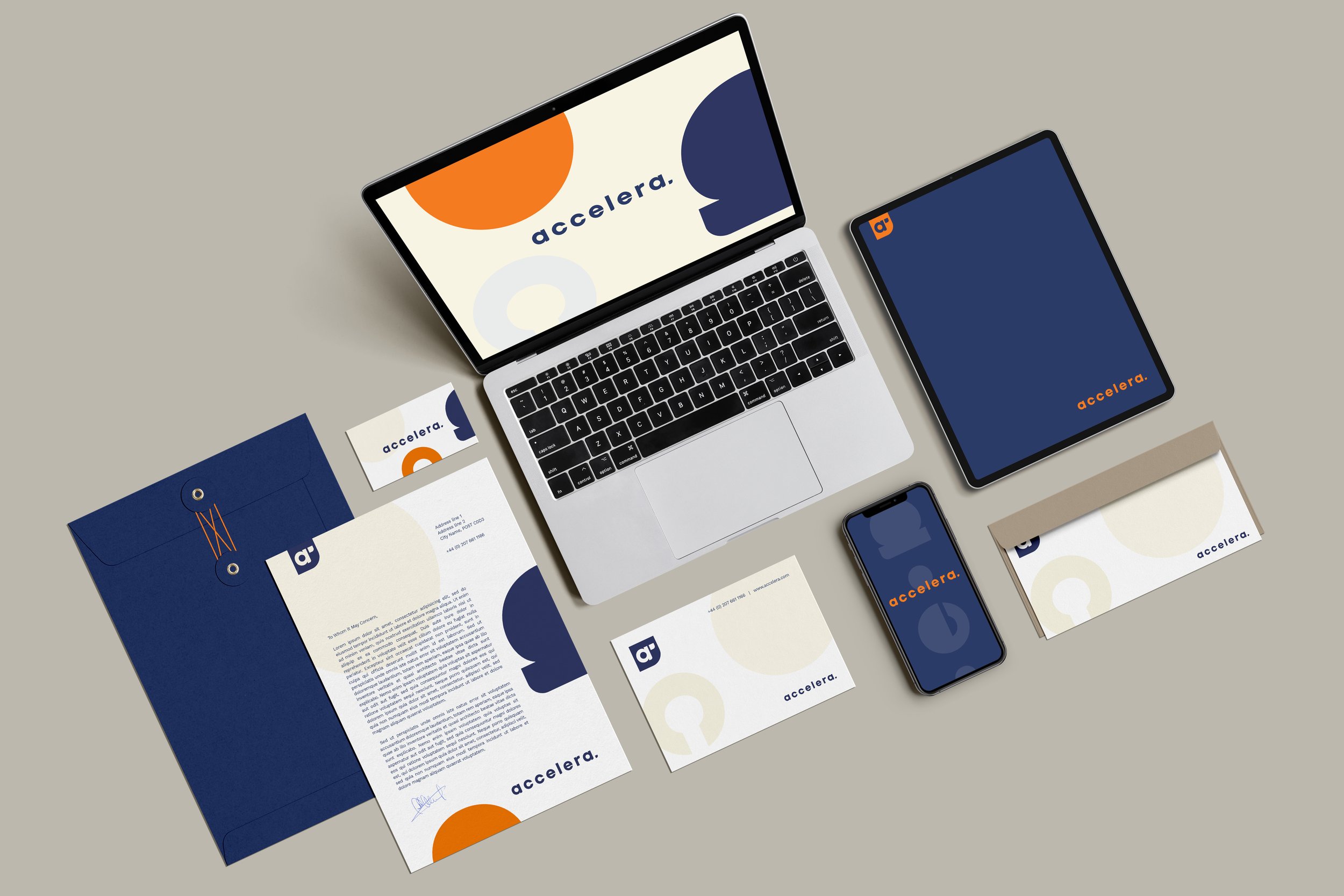
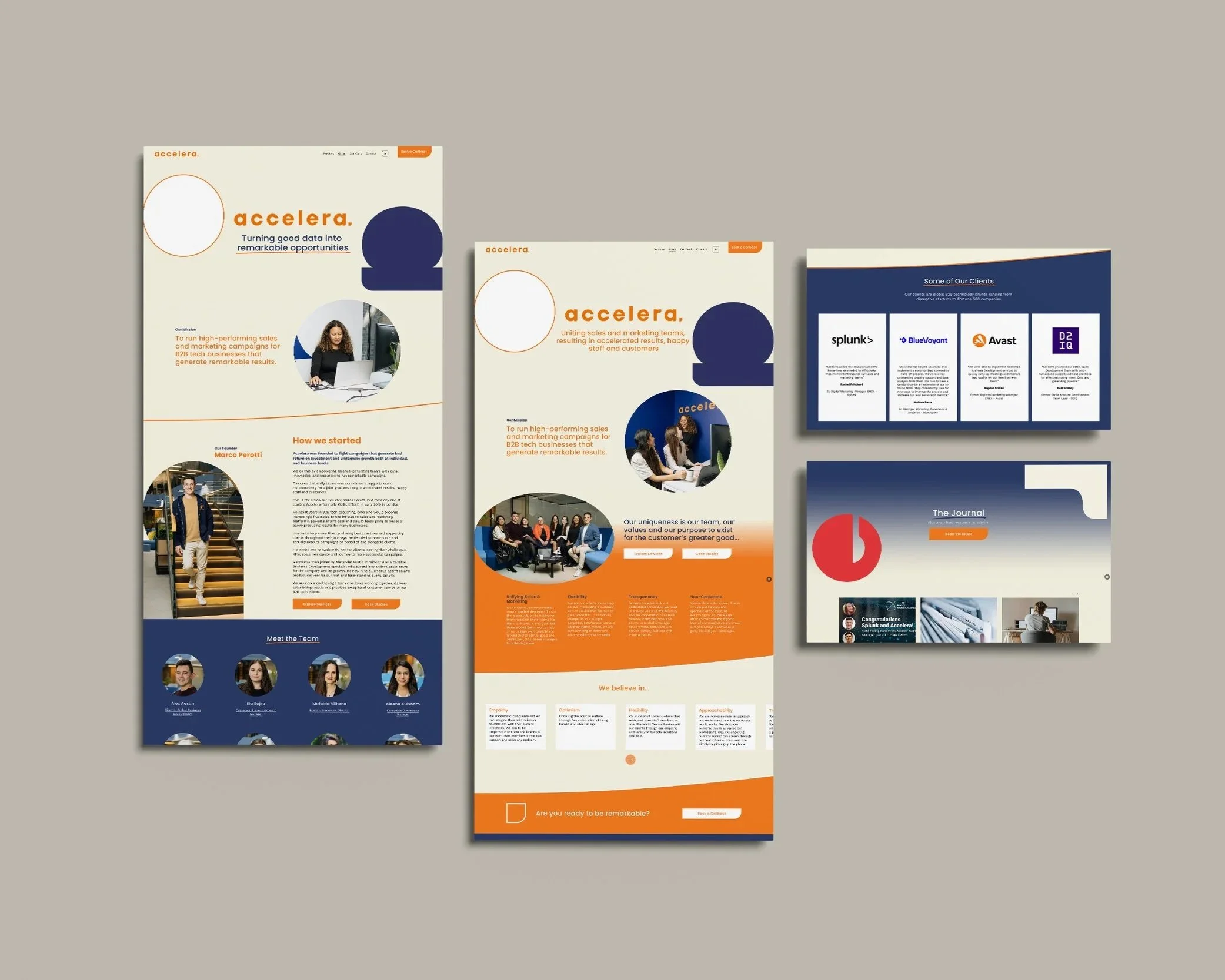
Brand infrastructure is the system that makes every touchpoint coherent: the website, the product page, the email sequence, the packaging, the social grid, the checkout experience. When these are designed as a system with a shared visual logic, consistent hierarchy, and a unified quality signal, every piece of content has somewhere credible to drive traffic to.
Without that infrastructure, content is building trust in a channel and then asking the customer to transfer that trust to a destination that hasn't earned it independently. Some customers make that transfer but many don't.
The Sequencing Question
This isn't an argument for doing brand work before content work. For most early-stage brands, content comes first as it's lower cost, faster to produce, and provides the market feedback that good brand strategy needs.
The sequencing question matters when content is working and brand isn't. At that point, the return on brand infrastructure investment is very high. A coherent brand experience that captures the trust content has already built, and converts it at a meaningfully higher rate, pays back quickly.
What to Audit Before You Scale Content
Before committing to a higher volume of content (think more posts, more formats, more channels) it's worth understanding the conversion rate of the brand experience that content is currently driving people to.
Specific things to review:
Does the website feel as premium as the social grid?
Is the photography quality consistent between channels?
Does the homepage hierarchy make it immediately clear what's for sale and why it's worth paying for?
Are the trust signals, typography, consistency, visual quality, matching what the content is promising?
If the answers reveal a gap, that's the highest-leverage place to invest before scaling content further.
The brands growing fastest in consumer categories aren't always the ones with the best content. They're the ones where the content and the brand experience are working together each one reinforcing the trust the other builds.
A Brand Authority Audit reviews both sides of that equation and tells you exactly where the gap is and what to do about it.