What Is An Email Design System? (And Why Most Growing Brands Need One)
Most brands don't wake up one morning and decide they need an Email Design System. What usually happens is far less dramatic:
A welcome email gets built when the business launches.
A few months later, somebody creates a promotional campaign.
Then a product launch arrives, followed by a seasonal campaign, a loyalty email and an abandoned basket flow.
Before long, half a dozen people have contributed to the programme, all at different times, all solving slightly different problems.
Got a project in mind and want to get in touch?
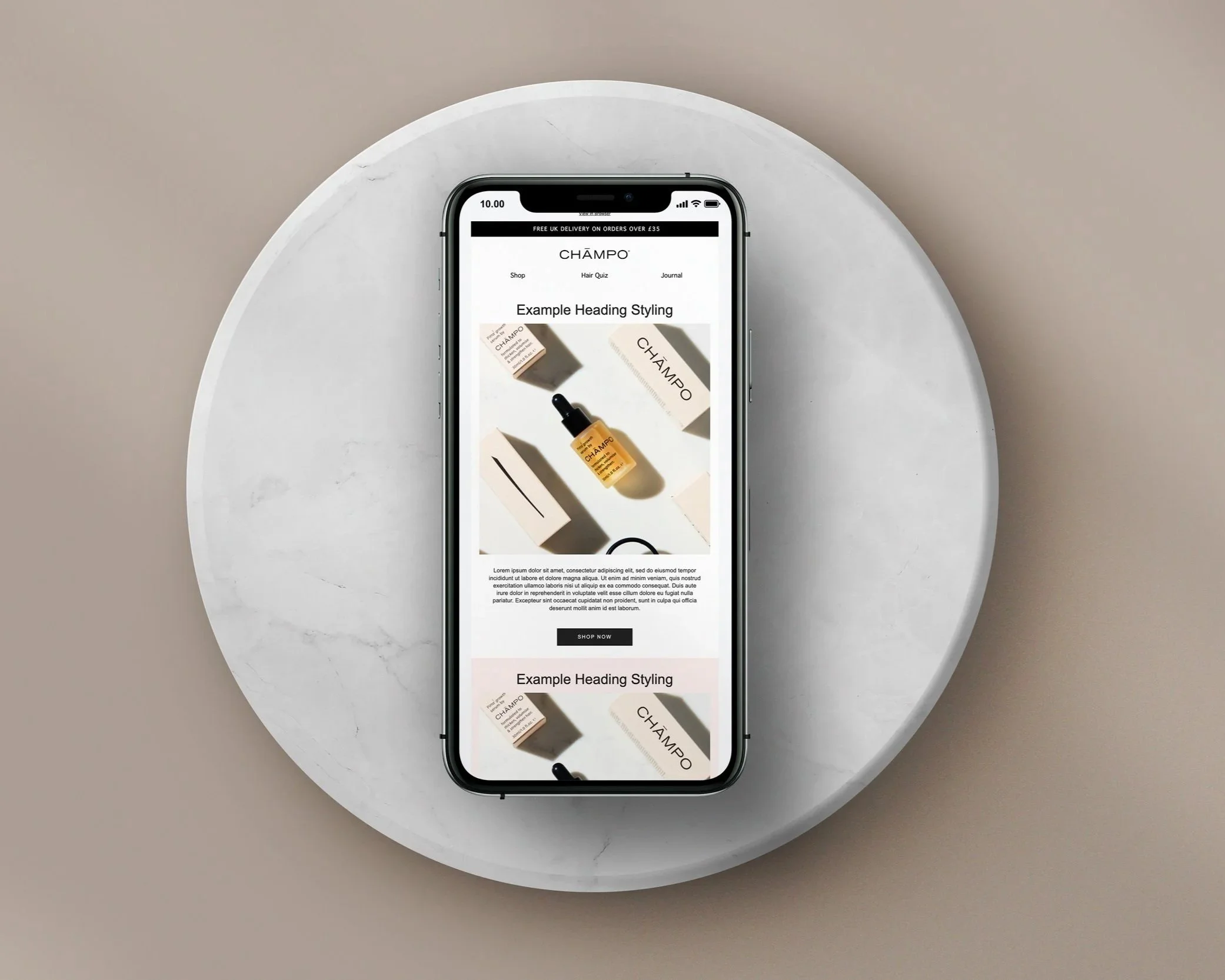
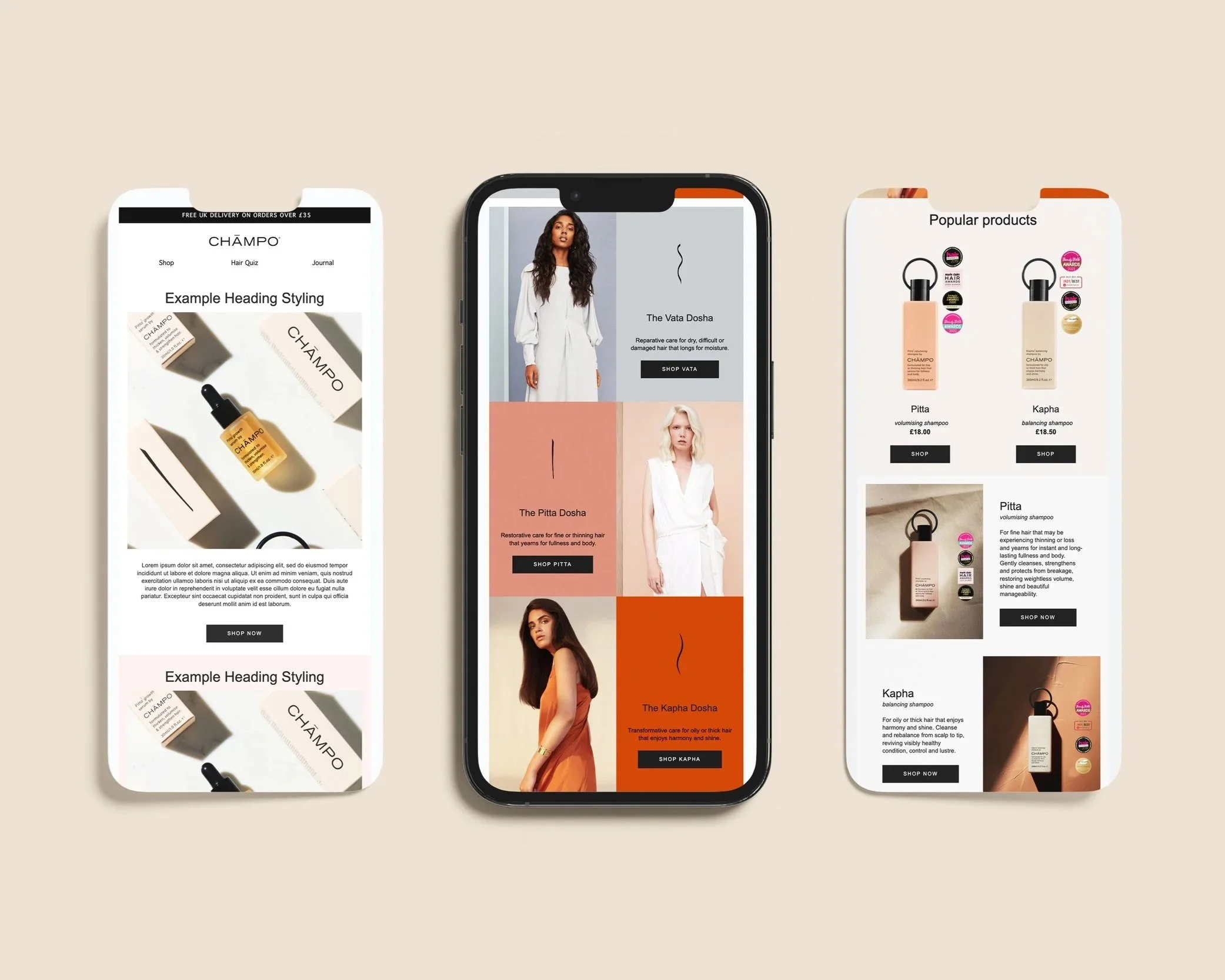
Individually, none of the emails are particularly bad. Collectively, they start to feel like they belong to different businesses.
One campaign feels premium and editorial, another feels transactional. A third looks like it was built in a rush on a Friday afternoon…The customer probably can't articulate exactly what's wrong, but they notice it nonetheless. The experience feels less cohesive, less intentional and, ultimately, less trustworthy.
The irony is that this often happens to brands that care deeply about their design yet the channel they use most frequently to communicate with customers has quietly become a collection of disconnected layouts, modules and design decisions.
This is usually the point where teams start talking about templates.
The problem is that templates rarely solve the actual issue. Templates help you create emails faster. They don't necessarily help you create a better email programme.
An Email Design System solves a different problem entirely.
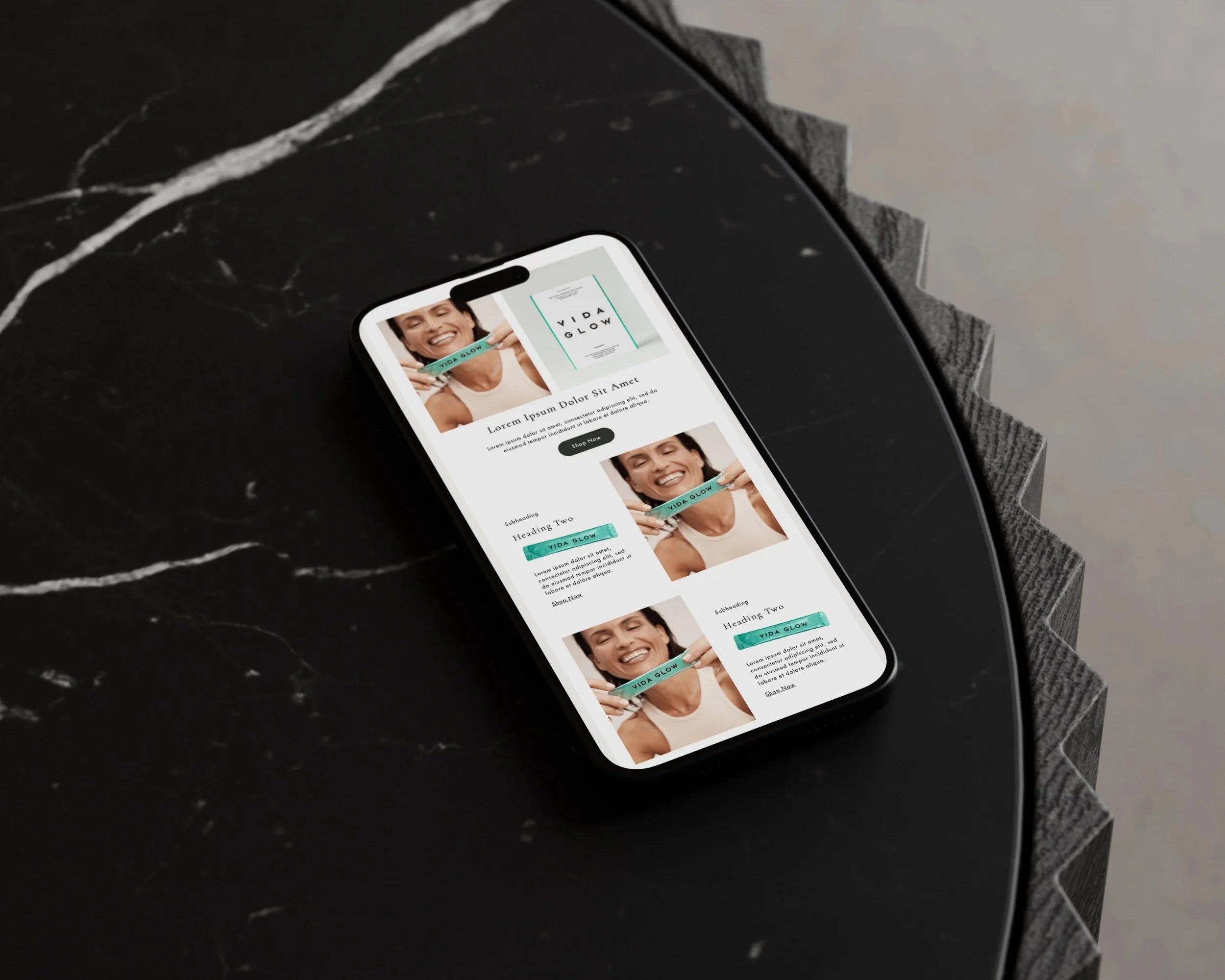
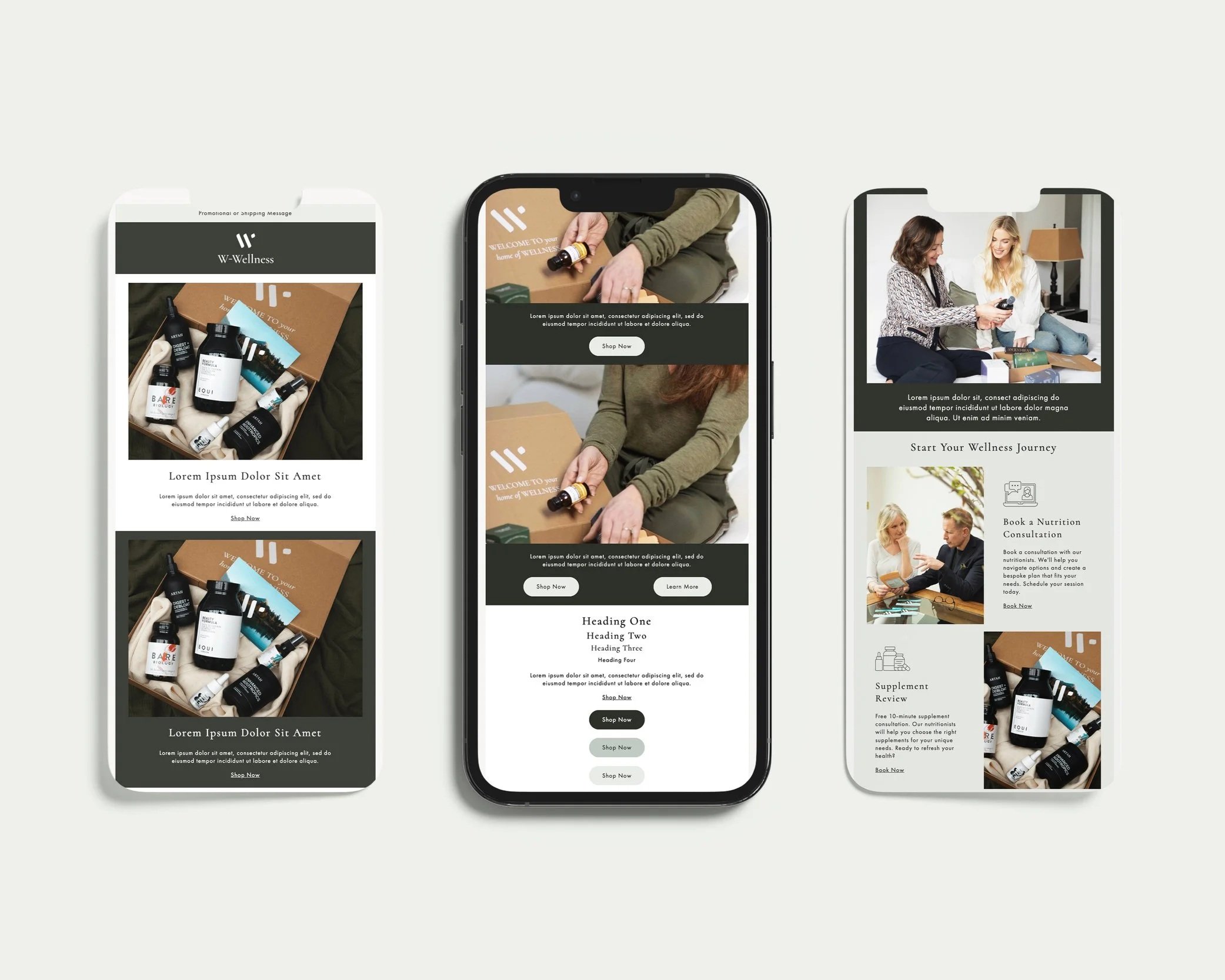
Rather than focusing on individual campaigns, it focuses on the structure sitting behind every campaign. It establishes the rules, behaviours, hierarchy and design language that allow hundreds of future emails to feel consistent without feeling repetitive.
In many ways, it's the closest thing email marketing has to brand guidelines.
The difference is that instead of governing logos, typography and colour, it governs customer communication. That's an important distinction because customers don't experience your brand through a single campaign. They experience it through repetition. Every launch, recommendation, promotion, story and loyalty update contributes to their perception of the business. When those experiences feel connected, trust grows. When they don't, the brand starts to feel fragmented.
The commercial impact of that fragmentation is often underestimated.
Brands spend enormous amounts of money acquiring customers and driving traffic, but relatively little attention is given to whether the communication experience itself feels coherent. Yet this is often where some of the biggest opportunities for improvement exist.
The strongest CRM programmes don't simply send better emails. They make every email feel like it belongs to the same brand.