Micro-Moments in the Customer Experience: Where Design Quietly Wins (or Loses)
Most businesses think customer experience is built in big, obvious places.
A brand launch.
A website redesign.
A campaign that looks impressive on social.
Customers don’t experience your brand as one polished whole. They experience it in micro-moments; small, often overlooked interactions that happen across the entire journey. Those moments are doing far more commercial work than most brands realise.
Got a project in mind and want to get in touch?
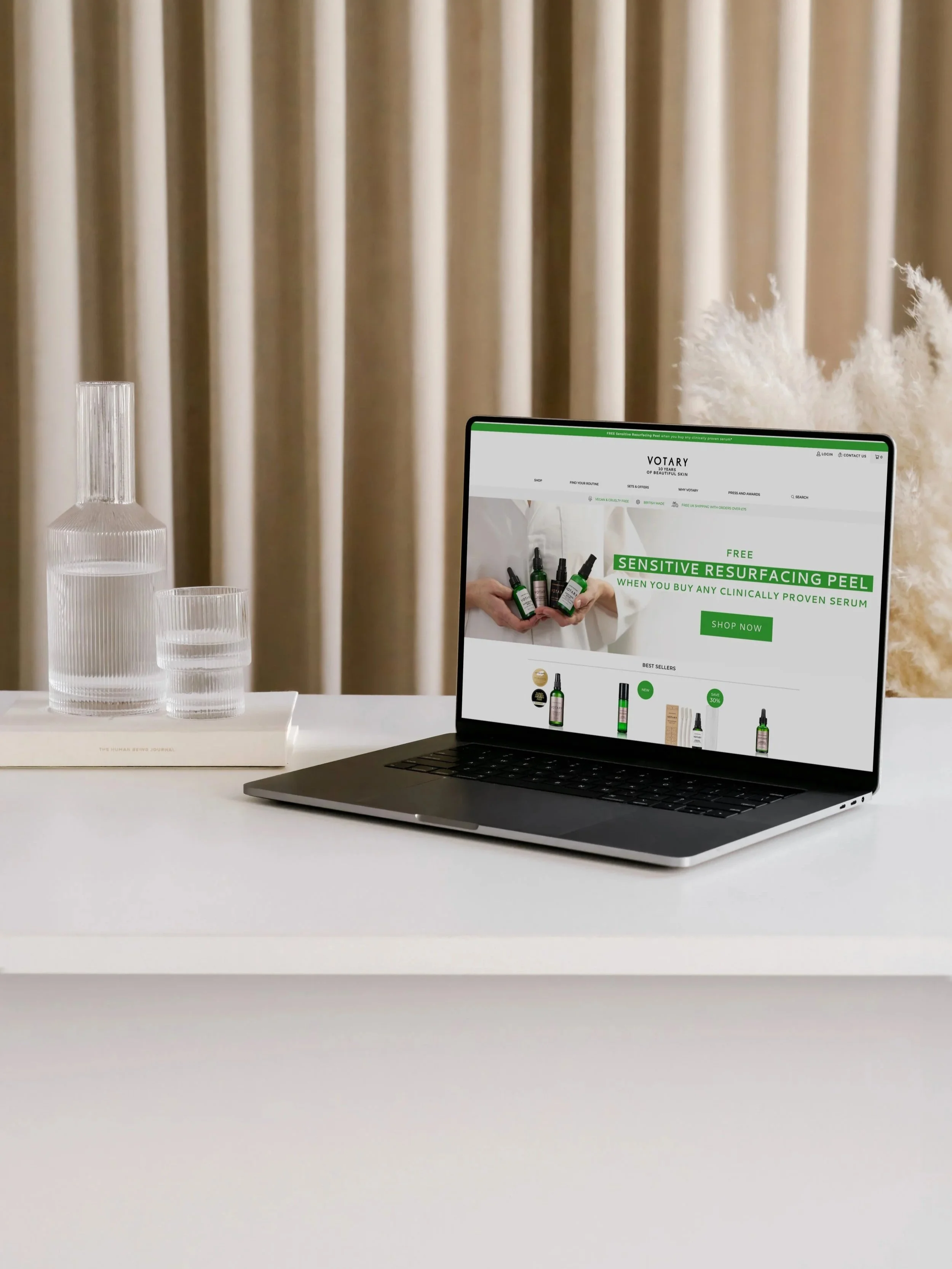
What are micro-moments?
Micro-moments are the brief interactions where a customer subconsciously decides:
Do I trust this brand?
Is this easy or hard?
Do I feel confident continuing?
They show up everywhere:
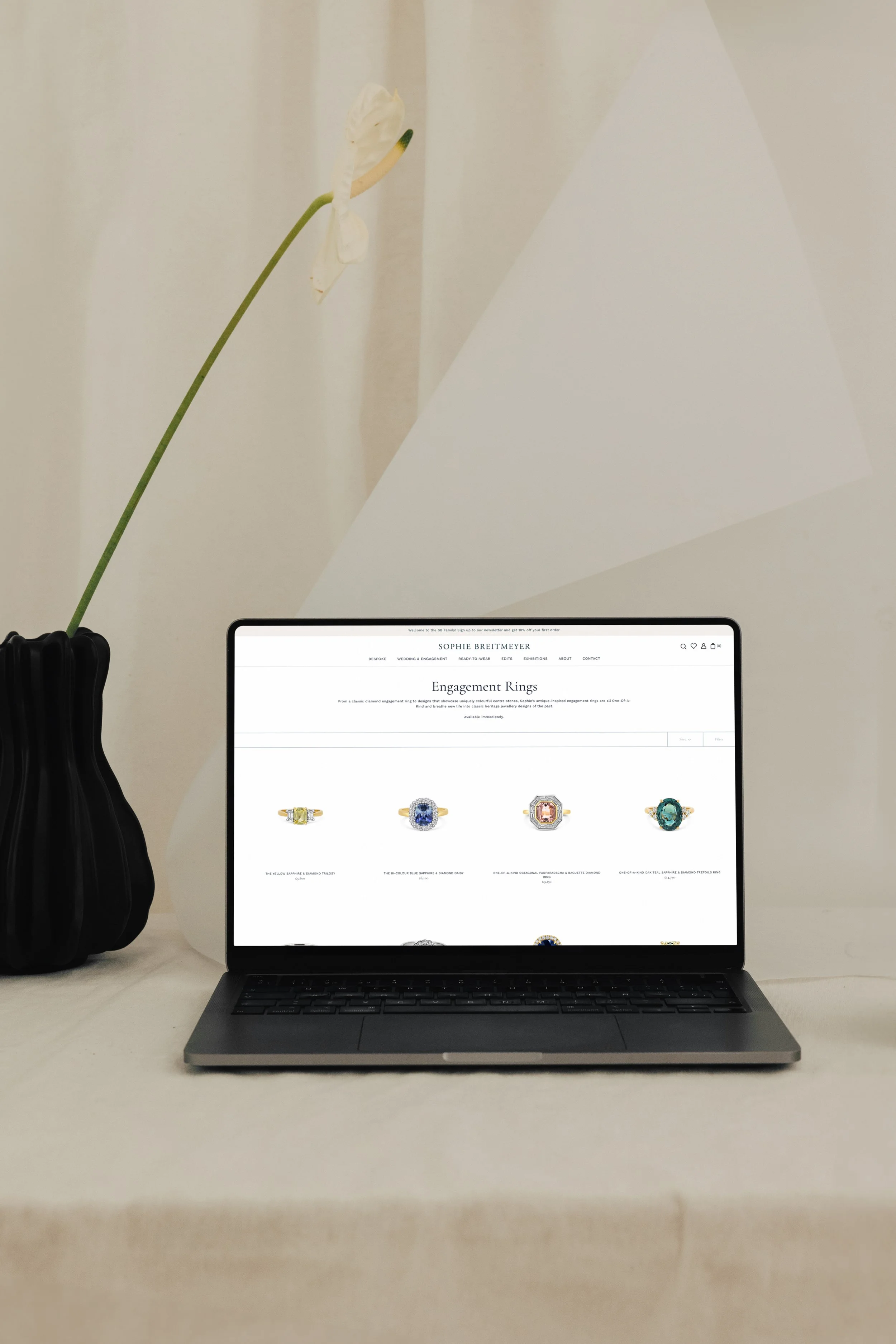
The clarity of your navigation
The loading speed of a product page
The hierarchy of information on your site
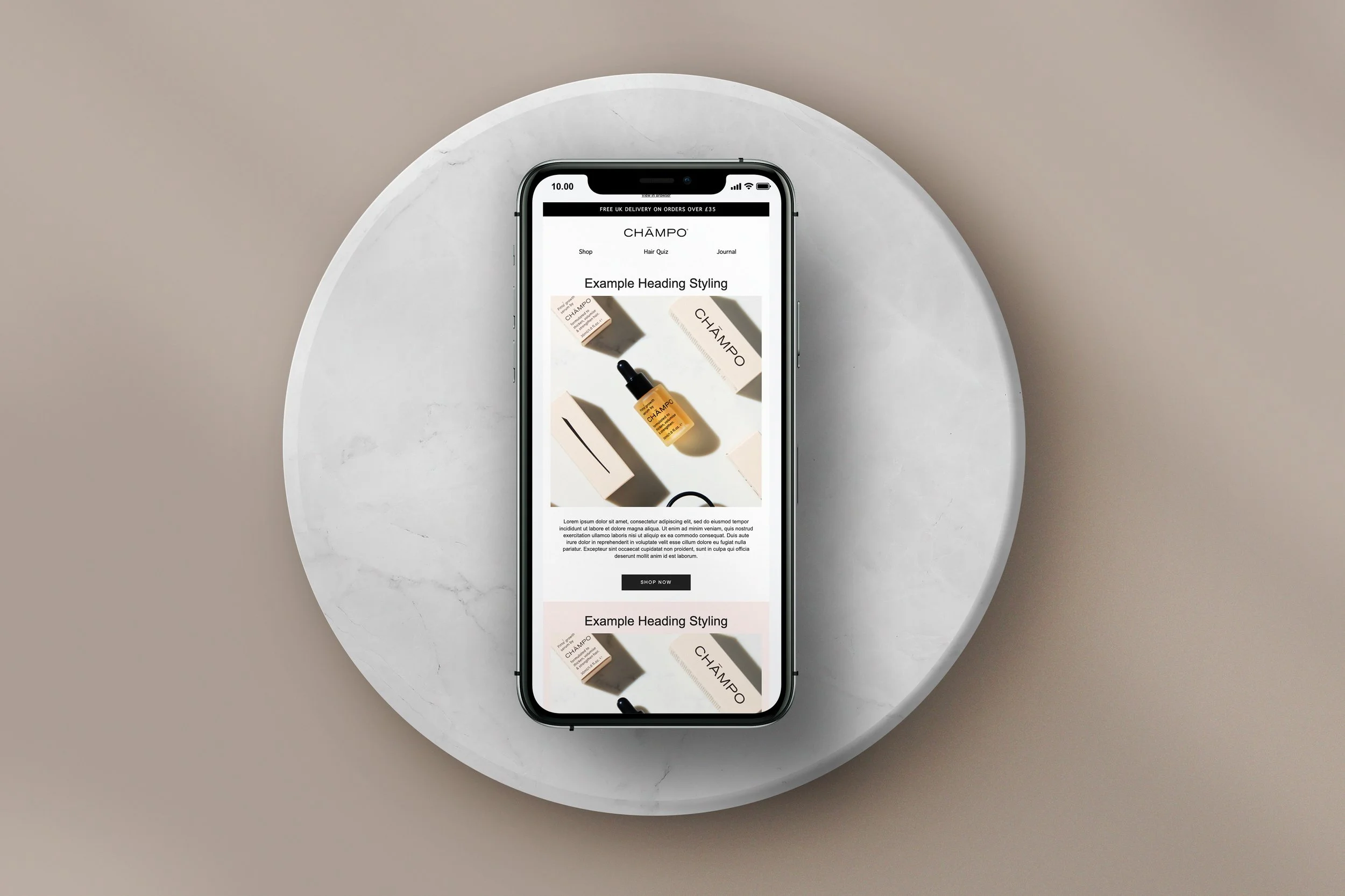
The tone of your confirmation emails
The reassurance offered after purchase
They’re rarely noticed when they’re done well, but painfully obvious when they’re not.
Usability expert Jakob Nielsen famously highlighted that users don’t read, they scan. That means every micro-moment of clarity (or confusion) directly affects behaviour.
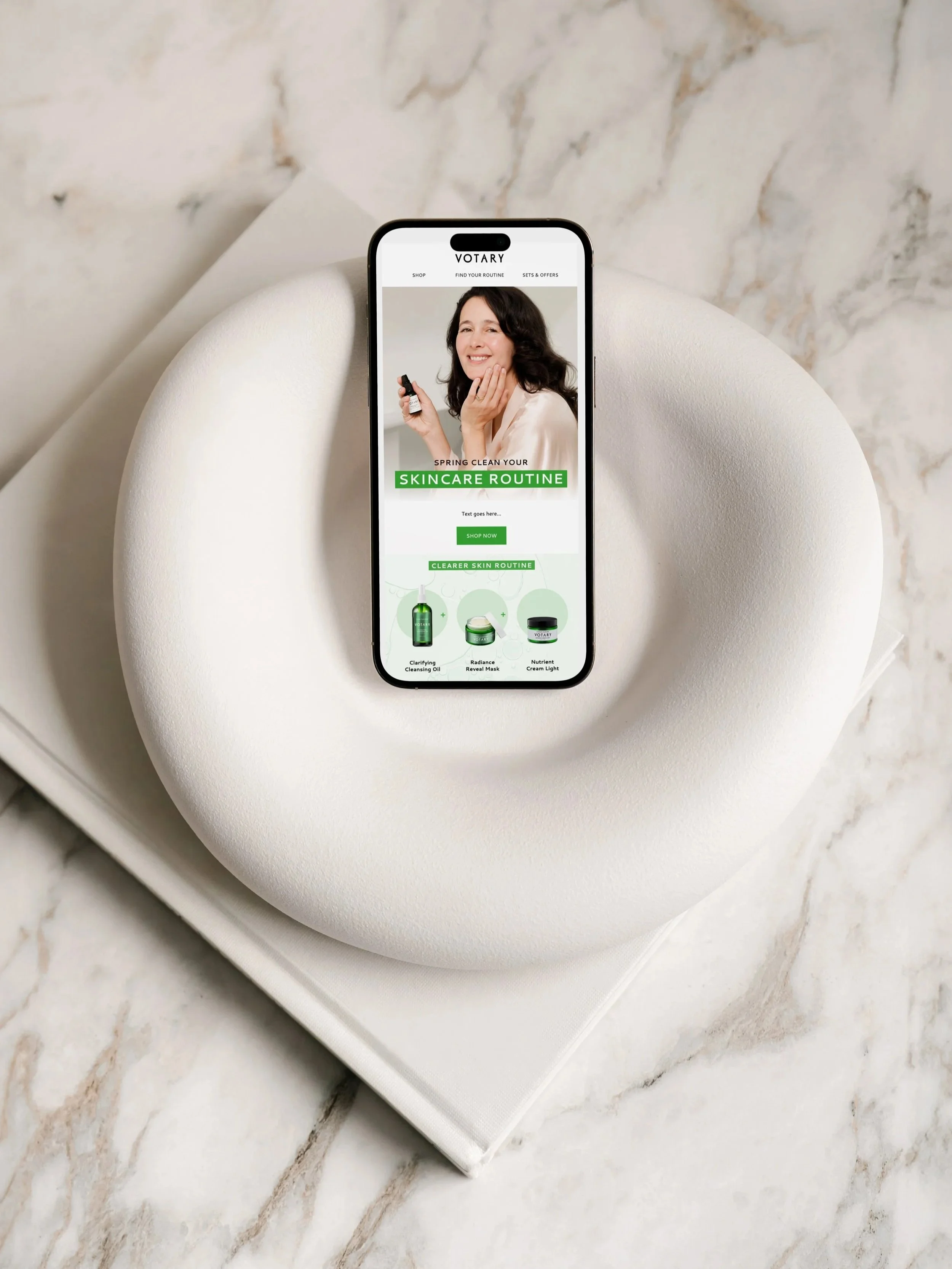
Why micro-moments matter to growing retail brands
Founder-led and small-team-backed brands are often stretched thin. Decisions are fast. Resources are limited. Design is expected to “just work” but micro-moments are where effort either compounds or leaks value.
Poorly designed micro-moments lead to:
abandoned carts
lower email engagement
customer support issues
erosion of trust
Well-designed micro-moments do the opposite:
they reduce friction
increase confidence
build familiarity
and quietly encourage repeat behaviour
Over time, this is how brands earn loyalty without shouting for attention and build brand equity in bucket-loads.
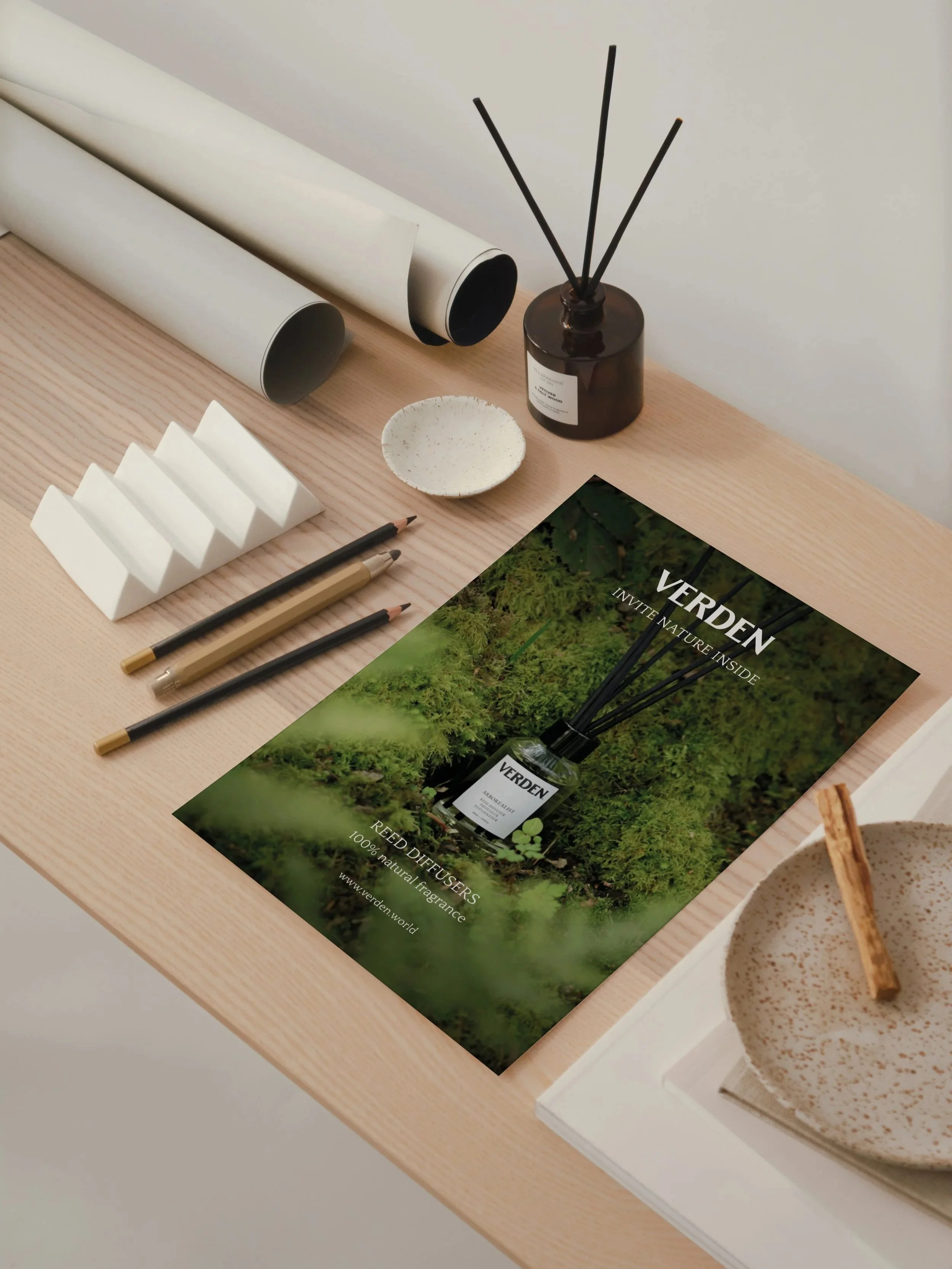
How design can make or break these moments
Design isn’t decoration, it’s decision architecture.
Every choice influences behaviour:
visual hierarchy tells customers what matters
spacing reduces cognitive load
consistency builds recognition and trust
tone of voice reassures (or alienates)
When design is inconsistent or rushed, micro-moments feel disjointed.
When design is intentional, customers feel held throughout the journey.
This is why “quick fixes” often underperform.
They might look fine in isolation, but they don’t support the full experience.
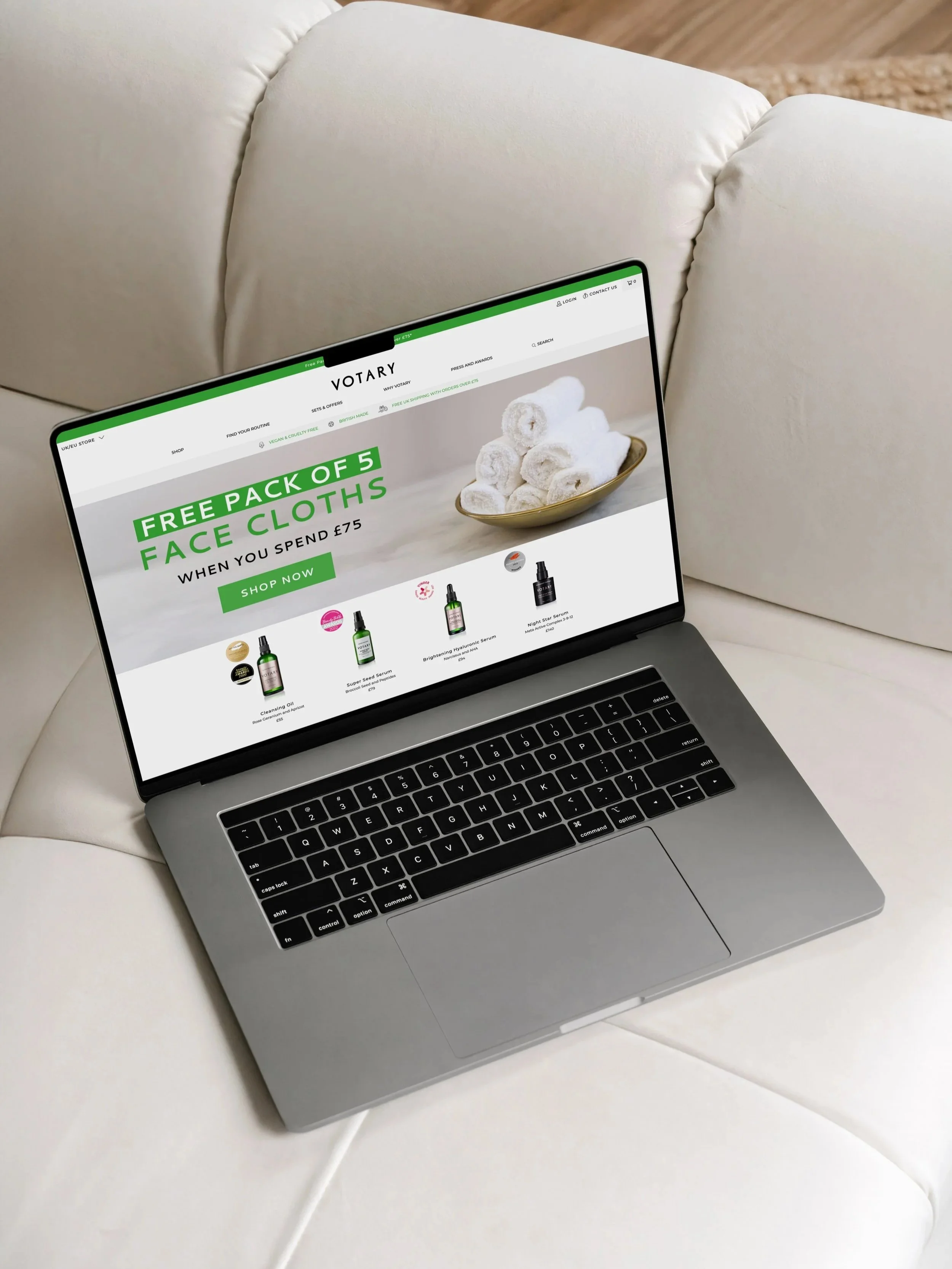
From projects to retainers: why micro-moments need ongoing care
Branding and website projects set the foundation. They define the system.
But micro-moments evolve:
new products
new emails
new landing pages
new customer behaviours
This is where ongoing design retainers become commercially powerful — not for aesthetics, but for continuous optimisation of the customer experience.
More on design retainers here [button to design retainers]
It’s less about constant redesign.
More about maintaining clarity, consistency and momentum as the business grows.
A final thought
Customers may never articulate why they trust your brand, but they feel it in the micro-moments. Design either smooths those moments or sabotages them, and most founders don’t realise how they are falling into camp Sabotage with logo-only branding packs and DIY email systems.
If you want more insight into how commercial design supports growth, we share one focused idea each month in our newsletter, practical, principle-led, and designed to be useful (not noisy).
Small moments.
Long-term value.
That’s where strong brands are built.